New approach to osteoporosis prevention

New research in the area of osteoporosis shows that bone loss increases with the level of inflammation in the body. This gives us new clues on how to help prevent osteoporosis. In addition to standard support like calcium and vitamin D, we can work to address excess inflammation in the body. Though short-term inflammation associated with an acute illness is a healthy process, chronic inflammation is now being tied to many of our modern illness including heart disease and now osteoporosis. You can tell that you are dealing with inflammation if you have any condition that ends in –itis, like arthritis or gingivitis. Once again everything is tied together so that an issue like gum disease can be far reaching in its effects on the body. Then when we improve these health issues, we get benefits throughout our body.

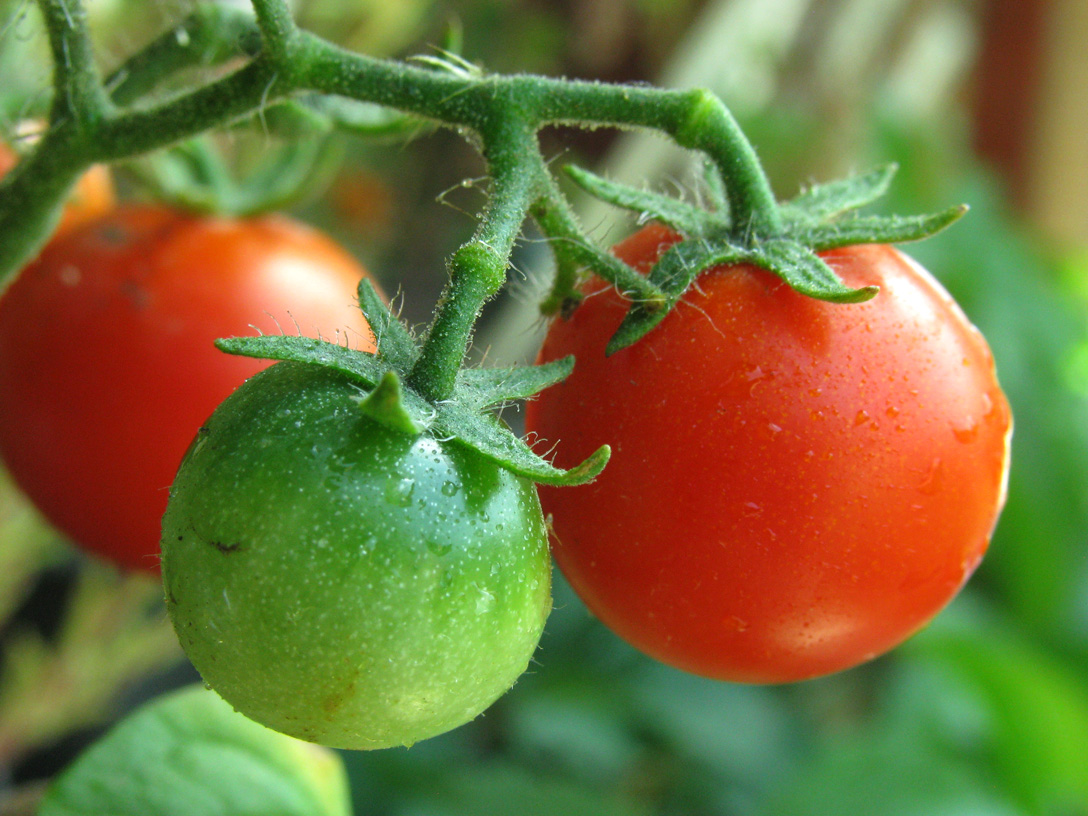
There are many ways of combating excess inflammation in the body. Omega-3 fatty acids from fish or flax oil may decrease the intensity of inflammation. Since decreased inflammation is associated with less bone loss, regular consumption of fish or flax could help slow down osteoporosis. Another strategy for reducing inflammation is to increase our consumption of antioxidants. Antioxidants are molecules that can neutralize free radicals, which can damage our cells. This cell damage in turn leads to inflammation. Fruits and vegetables are full of protective antioxidants. One vegetable that has been studied for osteoporosis prevention is tomatoes, particularly cooked tomatoes that are high in the antioxidant lycopene. The study results indicated decreased bone loss in women who took lycopene supplements or who drank tomato juice.

Carnitine: For more than just weight loss

Weight loss supplements are always popular, but we want to make sure they meet two criteria. They need to be effective and safe. Though most supplements are safe, a few of them in past have been taken in excess and have caused health problems. This is why I am always recommending carnitine to patients who are interested in weight loss. It has been shown to be safe and it has many benefits beyond improving fat burning. Carnitine is an amino acid that is necessary for the use of fat as an energy source in our mitochondria, the energy production organelles of our cells. I recommend carnitine before exercise for patients who are trying to lose weight because it may help with fat burning during exercise. Carnitine has also been shown to improve exercise intensity and recovery time, partially because it leads to lower lactic acid levels during exercise.

Because it helps with our energy production, carnitine has many benefits beyond contributing to a healthy weight loss plan. Since the muscles in the heart predominantly use fats for fuel, carnitine aids proper heart function. Carnitine may help heart issues such as mitral valve prolapse, arrhythmias, angina, and elevated cholesterol. In addition, proper carnitine levels prevent the production of harmful fatty acid metabolites that can disrupt cell membranes in the heart contributing to impaired heart contractions and possible tissue damage. Another form of carnitine, acetyl-carnitine offers great brain support. It has been shown to have an activity similar to acetylcholine, a key brain chemical for memory. This has led to its use in supporting mood and memory in the elderly and helping improve focus in children. Carnitine also increases the synthesis of nerve growth factor, which makes it a possible intervention for diabetic neuropathy.

Environmental Concerns in Herbal Medicine

When we utilize herbal medicine, we need to keep in mind the potential impact we might be having on the environment. This is similar to paying attention to the environmental impact of other things we consume like the toll that heavy meat intake has on the land. Herbs can be either harvested from the wild or grown on farms. Many herbs can be grown sustainably, but there are a few categories of products that tend to have more issues. Most herbs where we use the leaf or berry can be harvested without damaging the plant or reducing the native, wild population. When we use the roots or bark, the plant is often killed during harvest. When buying a product from roots or bark, it is best to buy certified organic herbs. This way you know that the herbs are being cultivated and the wild populations aren’t strained by our use of them.

A few popular herbs are facing particularly intense pressure on the native populations. Pygeum is a tree bark from Africa that can be helpful for prostate issues. When the bark is harvested the trees are usually killed. Saw palmetto is a more environmentally sound alternative to pygeum. It has the same benefits, but since it is a berry form Florida, the plant isn’t harmed and less fuel is used to ship it to us. Slippery elm bark is useful as a throat and gastrointestinal soother. Since elm populations have been reduced due to Dutch elm disease, the additional harvest impact from taking their bark has led to slippery elm becoming an endangered plant. Fortunately, farmers have begun sustainably growing slippery elm trees. Look for slippery elm that is organically grown to support these growers. Or if you want another herbal alternative, buy marshmallow root that has the same soothing properties and is easy to grow.

The herb substitution I am most often touting is the use of Oregon grape root to replace goldenseal. Goldenseal is a very widely used herb because of its numerous benefits. It is commonly used in cold and flu blends for its anti-microbial activity. It can also stimulate digestion and liver and gall bladder function. Goldenseal is an astringent that tones mucus membranes such as those that line the gastrointestinal tract. The problem is that this fabulous herb takes years to reach maturity so we are harvesting it faster than it can replenish itself. Always buy organically grown goldenseal or instead choose Oregon grape root. Oregon grape root is in the same plant family as goldenseal and shares the same active constituent called berberine, but it is much easier to grow and is less expensive. Because of these similarities, Oregon grape root has all of the same medicinal benefits of goldenseal. It is slightly less astringent than goldenseal but you can add raspberry leaf to it to increase the astringency.

Anxiety Calming Kava Kava

I first learned about Kava Kava during my undergraduate education. My anthropology instructor had lived on a Pacific island and participated in the kava rituals of the community. She told us about how kava was used to calm tensions and unify the people of the island. They always held kava rituals when strangers came to the island to make sure things stayed peaceful. After this, I tried kava for my test-taking anxiety. I found that it calmed me without making me tired.  I eventually got over my anxiety around tests, but now continue to recommend kava to patients with anxiety.

I don’t always start with herbal interventions like kava for anxiety. First, I want to explore possible contributing factors that can be corrected before I jump to mood-modifying herbs. I work on nutrient deficiencies, weak organs systems, or poor stress coping mechanisms. If I still need an herbal intervention like kava, it works better after I have addressed these underlying issues.

Kava is beneficial for more than just anxiety. It is toning to the nervous system and may help insomnia especially if it is related to anxiety. It also has mild antidepressant activities. It relaxes muscles and may help reduce skeletal muscle spasms. It can help ease pain particularly pelvic pain. There are warnings that come with kava about possible liver damage, but many of the reported cases of liver damage could not be clearly traced to kava. This doesn’t mean that kava will not cause liver damage, but it is probably no more likely to than other herbs and medications.

Flaxseeds for Women’s Health

I work with a lot of women’s health issues, and it seems like the most common words out of my mouth are “ground flaxseeds.” It is commonly known that flax is a source of omega-3 fatty acids, particularly alpha linolenic acid (ALA). These healthy fats offer benefits to both men and women because they help fight the inflammation associated with conditions such as osteoarthritis and asthma. The body has enzymes that can convert alpha linolenic acid to eicosapentaenoic acid (EPA), the omega-3 fatty acid found in fish oil. This enzyme can be less active in some people due to genetic variations, diabetes, or by high consumption of saturated fat or alcohol. Because of these potential enzyme problems, many practitioners are suggesting patients use fish oil. But I still frequently recommend flaxseeds because they offer other benefits in addition to those from the omega-3 fats.

I frequently suggest flaxseeds to women of all ages because they can help restore hormonal balance. In younger women, they may help fertility. For peri-menopausal women they may ease symptoms like irregular cycles, heavy bleeding, headaches, sleep difficulties, fluid retention, and mood swings. Also taking several tablespoons of ground flaxseeds daily may help reduce the frequency of hot flashes.

Flaxseeds offer all of these benefits because they contain lignans, compound that are converted to a weak estrogen-like substances. Unlike actual estrogen, these lignans derivatives have been shown to be actually protective against breast cancer.

I have only scraped the surface of flax’s benefits. It can also help the heart by contributing to lower blood pressure and cholesterol. Diets high in omega-3 essential fatty acids have been shown to reduce the bone loss associated with osteoporosis. Flaxseeds are also a good source of fiber, which we don’t tend to get enough of in our diets. The nutrients in flaxseeds are much more available when they are ground. Try taking 2-4 tablespoons of ground flaxseeds daily either mixed in water or added to foods like salad or yogurt. Make sure to keep ground flaxseeds refrigerated and start with the lower amount because sometimes a quick increase in fiber can cause digestive distress. For another way to try flaxseeds, here is a recipe from World’s Healthiest Foods for a High Energy Breakfast Shake.

Nature Deficit

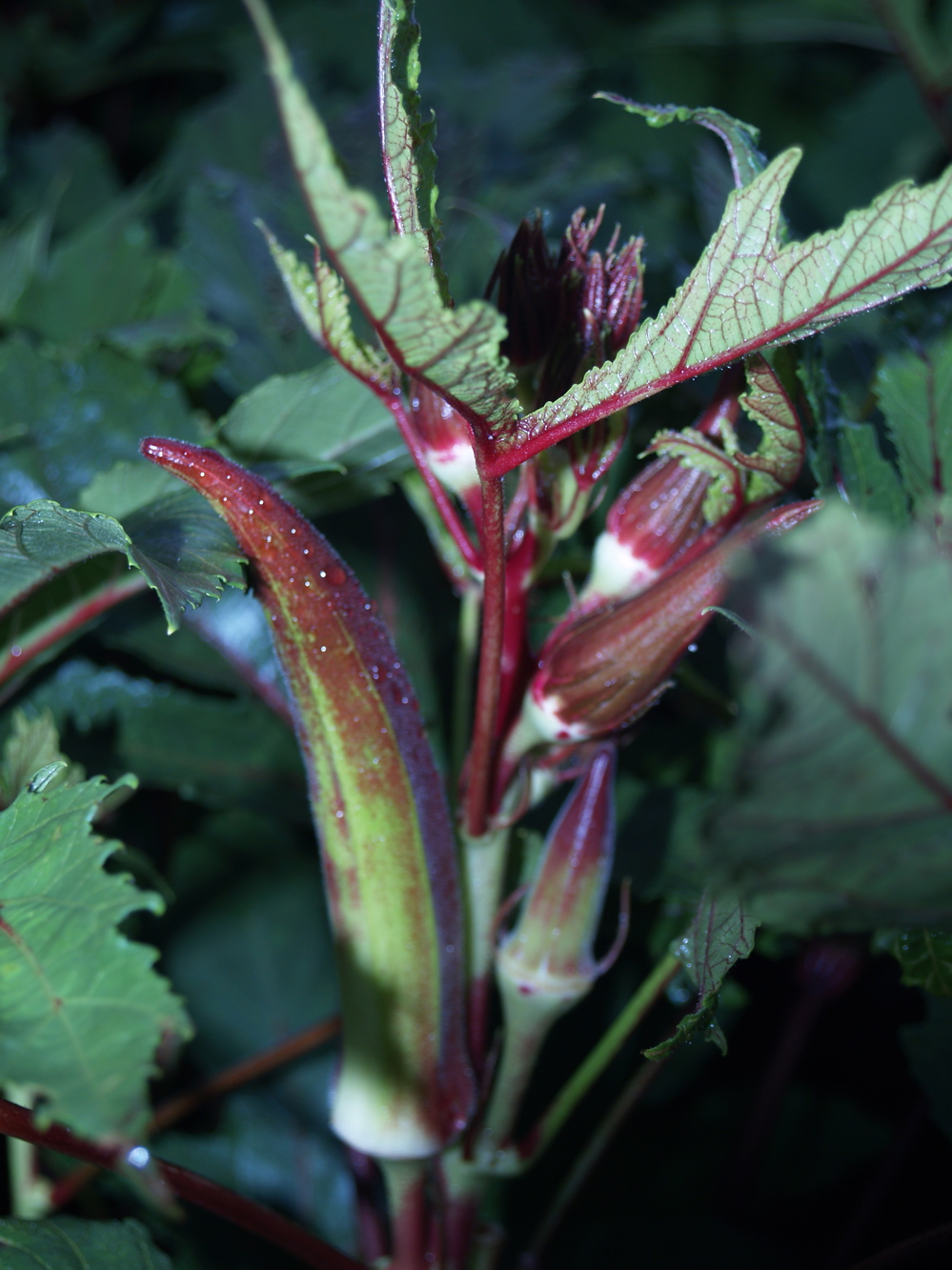
I spend so much time picking okra on our farm that one of my friends gave me the nickname “Okra Winfrey.” It is hard work because the okra plants are very prickly and I have to wear long sleeves and gloves in this August weather. But it has its reward. If I am harvesting in the morning, I get to watch as the lovely okra blossoms open up. You can tell by the flower that okra is in the mallow family like hibiscus and Rose of Sharon. While I am harvesting, I will occasionally see a small tree frog perched on the leaves. I don’t need a study to tell me that the surge of joy I feel at seeing a tree frog is good for my health. Harvesting is a also decompression time for me when I can peacefully think about things like new blog ideas. You might have experienced the health benefits of being in the outdoors also. Have you ever taken a walk and felt better?

Some people consider nature to be an essential nutrient like protein or water. The term nature deficit has been coined for our common modern condition of reduced interaction with the natural world. Studies are showing that this deficit can contribute to attention difficulties, cognitive issues, reduced impulse control, poor stress response, and emotional and physical illnesses. On the other hand, researchers found that as little as five minutes in a natural setting improves mood, self-esteem, and motivation. In another study, a walk in the country reduces depression in 71% of participants. Studies also indicate that we recover from stress faster when we are in a natural setting. Experiencing nature can lower heart rate, blood pressure, and levels of cortisol, the stress hormone. Outdoor activities are great for family bonding also. For inspiration and tips, go to the website for the Children & Nature Network.

And don’t forget to ask yourself, “Have I taken my brain for a walk today?”

Magnesium

As a naturopathic doctor, my medical practice is based on the principles of naturopathic medicine. These are the guiding principles that keep me focused on helping people heal themselves in a safe, effective way. Though there are six naturopathic principles, the one that is the most important to my practice is my belief in the Healing Power of Nature. I do believe that natural substances and healthy lifestyle can be healing, but something different is meant here. This principle refers to the body’s ability to heal itself. Our body has many mechanisms to help restore our health. Sometimes we are unhealthy only because something such as a toxin is interfering with our body’s ability to heal. Other times our body is lacking essential nutrients it needs to return to wellness.

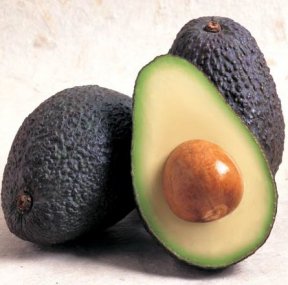
I see both of these scenarios on a regular basis. It is very common for people in the U.S. to be deficient in minerals because of our diets. For instance, optimal intake for magnesium should be between 300 – 600 mg, but the average American gets 275 mg. Since this is an average, it means that many people are getting even less than this. Magnesium is necessary for the proper function of muscles and the nervous system. Magnesium is also needed by numerous enzymes in the body, including ones that make energy for us. Evidence suggests that magnesium deficiency can be linked to fatigue, depression, anxiety, insomnia, memory loss, muscle cramps and twitches, diabetic complications, and certain diseases of the retina of the eye. People with health problems like migraines, PMS, heart disease, asthma, diabetes, and alcoholism might need even more magnesium.  Food sources of magnesium include dark green vegetables, whole grains, nuts and seeds, soy, avocado, and dried apricots.

To find more food sources of magnesium, go to one of my favorite websites, World’s Healthiest Foods. If you want to read more of the naturopathic principles, check out the American Association of Naturopathic Physicians.

Cancer Fighting Anthocyanins

Last night as I was picking my red okra, I was thinking of anthocyanins. I am sure that is what all okra pickers think about (okay, maybe only the really nerdy ones like me). The pigments that give okra and purple carrots their unique hues are called anthocyanins. These are natural sunscreen agents the plants use to protect themselves from the sun. In fact, I have noticed if a red okra pod is hidden under the leaves it doesn’t get as red. While the anthocyanins can protect the plant from the hot Arkansas sun, they can help us prevent cancer. This is just one of the antioxidants in our rainbow of protective plant compounds. Antioxidants help protect us from the array of damaging compounds called free radicals we encounter on a regular basis. Free radicals can cause damage to our DNA in ways that might promote cancer. These antioxidant compounds also help reduce inflammation. For cancer prevention, it is important to fight inflammation because inflammation contributes to the formation of new blood vessels that cancer uses to feed itself. This process is called angiogenesis, which is just Latin for vessel creation.

Red okra is not that commonly available, but don’t worry there are lots of different sources of anthocyanins. The purple and red fruits and vegetables are great sources so you can grab purple cabbage, purple potatoes, plums, dark grapes, strawberries, raspberries, blueberries and black berries. Black beans and blue corn are other great ways to get these protective compounds. Also the pigment that gives eggplant its purple color is called nasunin, an anthocyanin that has been found to remove toxic free radicals from the tissues and reduce angiogenesis. You don’t have to stick with just the purple varieties of foods. Every color in the produce world represents a different antioxidant. To read more on cancer fighting foods sign up for a free account with the Eat To Defeat Cancer campaign from The Angiogenesis Foundation.