Sorry I didn’t have time to blog this week. I was busy preparing for a lecture on men’s health.
Click here to view a copy of my handout from that lecture.
The Natural Nerd
Sorry I didn’t have time to blog this week. I was busy preparing for a lecture on men’s health.
Click here to view a copy of my handout from that lecture.
With the growing rate of obesity in this country, weight loss has become an important topic that I am asked about frequently. Unfortunately, I see a lot of unhealthy “quick fixes.” I was so happy to read this no nonsense article from fitday.com that I wanted to share it with all of you. I really appreciated these tips because they pertain to anyone who wants to stay fit as well as people actively pursuing healthy weight loss diets. — Dr. Laurell
The Top 7 Appetite Suppressants
When beginning a diet, most will decrease caloric consumption in order to drop pounds. The body’s natural response to fewer calories is to increase the hunger pangs to let you know that something has changed. There is also the deprivation mentality that can happen on a deeper level: we feel as though we cannot have certain foods or as much food as we are accustomed to and we naturally begin to crave or miss that way of living. Remember the body will do everything to maintain balance and change can be stressful.
In order to succeed at the weight loss / restriction calorie diet, the body will have to adjust to a new set point and deal with the associated hunger. There are ways that you can naturally suppress the appetite and remain true to the dietary meal plan.
#1. Avoid refined carbohydrates or simple sugars.
Examples of refined carbohydrates and simple sugars include white bread, white rice, white pasta, baked goods such as muffins, cakes and cookies, high sugar cereals etc. When ingested, refined carbohydrates quickly turn into blood glucose or sugar in the body. The body’s natural response to a high sugar food is to secrete insulin to drop the blood sugar level back down into a more normal range. Insulin carries the sugar into the cells to be used as a source of energy. Most cells are already full of energy (unless you are an active person) so there is no room for the sugar to go. The body’s next step is to store the excess sugar consumed as body fat – not what you had in mind when you began the diet. Perhaps you have felt the sugar high followed by the crash in energy feeling 20 minutes to an hour later. A quick rise in blood sugar is followed by a crash in blood sugar leaving you feeling tired. This process is usually followed by an intense hunger to get the blood sugar back up and leaves you craving for yet another sweet treat. The answer: Eat complex carbohydrates instead. Complex carbohydrates examples include whole fruit (not juice), vegetables, and whole grains (in moderation).
#2. Drink enough water.
Next time you feel hungry; drink an 8 ounce glass of water.
#3. Eat the right amount of fiber, fat and protein.
It is important to consume plenty of fiber – it makes you feel full, plenty of fat (the good healthy fats) – we need those to reduce excess stored body fat, and plenty of protein. Protein takes a long time for the body to digest which results in you feeling full for a longer period of time as your stomach still has food in it. Protein can come from chicken, turkey, fish, yogurt, eggs, and vegan choices such as nuts, seeds, soy, and legumes (dried beans)
#4. Supplement nutrients if you need to.
It is important to ensure that you are getting the required nutrients and often times the only way we can so that when we have a restricted calorie diet is to supplement with a high quality multi vitamin/mineral complex. The body may be giving you hunger pangs because it is deficient in certain nutrients. You do not always have to consume calorie rich food to provide the adequate nutrients. I am only suggesting that you supplement an already healthy diet with supplementation specific to your individual needs. I am not a proponent of over the counter appetite suppressants such as Hoodia.
#5. Exercise to decrease the hunger feeling.
Exercise not only decreases the hunger feeling but it teaches our body how to burn the stored body fat as a fuel source!
#6. Eat frequently throughout the day.
5-6 small and healthy snack / meals. That way you never feel hungry.
#7. Address the emotional hunger issue.
Is it true hunger or an emotional void we are trying to fill with comfort food? Be a conscious eater. Set a very defined and specific goal in order to stay on track.
Among antioxidants, alpha lipoic acid is unique because it is both fat and water soluble. This means it can work in more areas of the body than other antioxidants that either dissolve in water like Vitamin C or are absorbed into fat like Vitamin E. Alpha lipoic acid has another important role through increasing the recycling of other antioxidants like vitamin C, vitamin E, glutathione, and coenzyme Q10. We need antioxidants to protect our cells from damaging molecules known as free radicals. When antioxidants neutralize free radicals, they have to be recharged before they can act again. By acting as an antioxidant and recycling other antioxidants, alpha lipoic acid can help keep our bodies functioning properly and help prevent degenerative diseases, especially those affecting the nerves.
Alpha lipoic acid has gained a reputation for protecting the nervous system by preventing damage to the nerves from free radicals and other reactive oxygen molecules. It also seems to support healthy microcirculation around the nerves so that nerves, including those in the brain, can be properly nourished. There is some evidence that alpha lipoic acid may even help with regeneration of nervous tissues in certain cases by supporting sufficient energy production in the cells. Alpha lipoic acid has been studied most extensively for peripheral neuropathy due to diabetes, where the elevated blood sugar and reduced circulation causes nerve damage with diminished or abnormal sensation in the hands and feet. Diabetics may also benefit from alpha lipoic acid because it appears to help increase the body’s response to insulin. Alpha lipoic acid is also used to help protect the optic nerve in glaucoma. Alpha lipoic acid was also been shown to reduce migraine frequency and severity in a small study. This benefit may be due to alpha lipoic acid’s ability to improve blood vessel function rather than its neuroprotective actions.
Last week I had the honor of speaking about nutrition to a new chapter of the Holistic Moms Network in Rogers, Arkansas. We spend a lot of time talking about ways to get children to eat healthier, especially how to get them to eat more veggies and fruits. Getting children to enjoy healthy foods when they are young is vital for helping them to grow up to be health adults who continue to make better food choices. So I wanted to share some tips all of you too.
Additionally, here are some tips for healthy snacks.
If you want to view my full presentation, go to Nutrition for the Whole Family.
To learn more about the new local chapter of the Holistic Moms Network.
And don’t miss their next lecture on June 4th at 6:30 pm on how to keep your children healthy by Dr. Tara Hickman, NMD, my partner in my private practice at Northwest Arkansas Natural Health.
As I have said before about menopause, no every herbs works equally well for every woman. We have to look at the unique attributes of each herb and compare them to the experience of each menopausal woman. The herb I wanted to highlight today is motherwort. As the name implies this is a useful plant for mothers. Particularly, it is used for overworked mother who could use some mothering themselves. Among its other attributes, motherwort is calming and soothing to the nerves. It can help with insomnia due to anxiety, which I frequently see in mothers and other patients. Motherwort can also be useful as part of a protocol for hot flashes, but it is more likely to help those where anxiety and insomnia are also part of the picture.
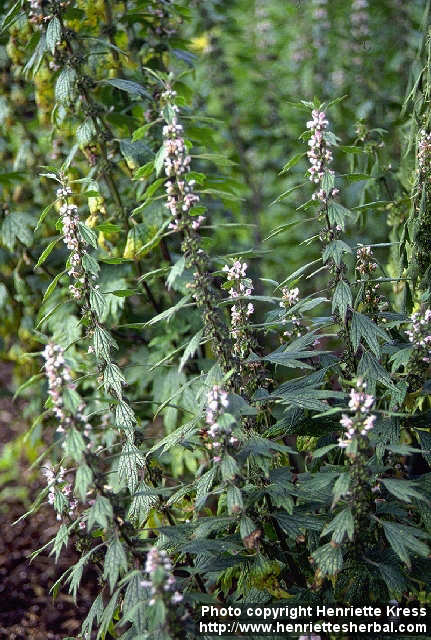
As we begin to go through menopausal changes, our menstrual cycle among other things can go haywire. Premenstrual symptoms that we haven’t had since our teenage years can return or completely new symptoms can arise. Motherwort can be useful here too. Motherwort can help relieve premenstrual tension and discomfort. Most menstrual cramps are partially due to inadequate circulation in the pelvis. Motherwort may help calm menstrual pain by both reducing spasms in the uterus and improving blood flow to the pelvis. Motherwort might work best for cramps that are accompanied by a scant menstrual flow and again where anxiety or stress is part of the picture. Motherwort needs to be used for several months for the best benefit. But please don’t let the name motherwort mislead you into thinking this is an herb for pregnant women. It is not recommended during pregnancy since it can cause uterine contractions.
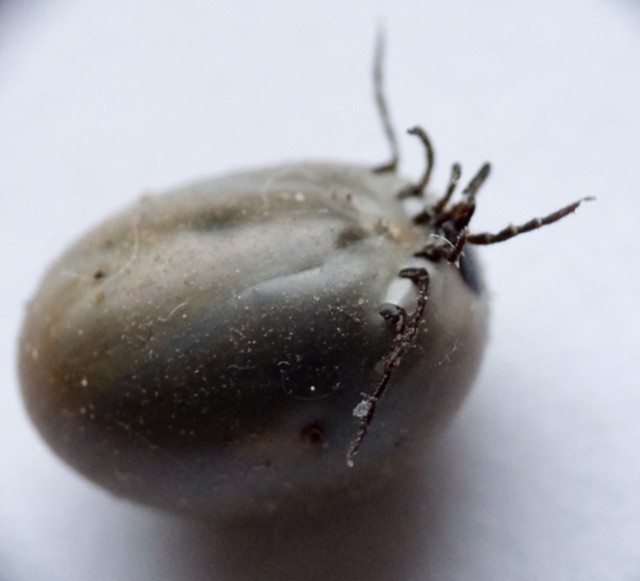
With the mild winter, this is going to be a terrific (or terrible) year for bugs. Hopefully our beneficial insects are flourishing, because I have already seen that some of the pests are. I have been finding ticks on my cats for a few months already, and the other day I found one on myself. So it is time to talk about dealing with tick bites.
I am concerned about ticks because of the number of diseases they carry, such as Lyme disease. The first step is to try to prevent tick bites. There is some evidence that essential oils like grapefruit may help repel ticks. Tuck your pants into your socks so it is harder for the ticks to get to your skin. And when you are done with your outdoor activities, do a tick check to catch them before they bite you. If you are bitten by a tick, use tweezers to carefully remove it. Grab the tick as close to the skin as possible so you are not squeezing the body of tick, which may cause them to inject more bacteria into the body. Likewise, do not burn the tick as a means of removal. After the tick is removed, treat the area with a topical antiseptic. Sometimes, the tick has deposited bacteria on our skin that we scratch into the wound. I use tea tree oil on my tick bites. To deal with the itch of the bite, apply ozonated olive oil. A few applications should neutralize the itching. I have also found this to work for chigger bites where hardly anything helps. Finally, make note of where the tick bit you and watch that area for a red rash that can be the first sign of Lyme disease. Let’s enjoy the spring and stay healthy.
I am not feeling quite as sharp today as usual, because my beloved cat woke me up too early this morning. I have personally found that adequate sleep is crucial for my memory. I believe that sleep is an important aspect of intellectual performance for most people, but sufficient rest is not always enough by itself, especially as we get older. When I was preparing for my board exams, the classmate I was studying with used phosphatidyl serine. She said it made her feel like a genius. I had known about phosphatidyl serine for memory support, but her experience made me want to better understand its mechanism for helping our brains.
Phosphatidyl serine has been examined in over 20 studies with people and animals. These studies have demonstrated improvements in memory, learning, concentration, and mood especially in people with age-related cognitive decline. These benefits are partially due to the ability of phosphatidyl serine to increase our production and release of acetylcholine, one of our main memory neurotransmitters. Phosphatidyl serine is also one of the phospholipids that make up our cell membranes and is therefore important for cellular function and cell-to-cell communication. It is also used by are cells to make another phospholipids that is vital to the membrane integrity of our mitochondria, the energy producing center in our cells. Studies done with rats have shown improvement in performance on maze tests and reduction in age-related brain changes. Particularly, phosphatidyl serine helped conserve normal brain cell density, which often decreases as we age. Based on all of the impressive research, phosphatidyl serine is worth our consideration to help us stay sharp.
I have long wondered why vitamin D deficiency is becoming so common these days. When I was in Seattle, the near epidemic level of vitamin D deficiency seemed easily explained by the lack of sunshine, but I started seeing similar patterns in Arkansas, where we have no shortage of sunshine. This pattern could be explained by the fact that many individuals spend very little time outdoors and use sun protection when outside. When I began seeing vitamin D deficiency in people who get a substantial amount of sun, I wondered what else could be playing a role.
A recent study on pesticides and vitamin D levels offers one possible answer. When over 1000 study participants were tested for both vitamin D and particular pesticides known as organochlorine pesticides, the people with higher levels of these pesticides had lower vitamin D levels on average. Though this inverse correlation could be a coincidence, there are two different means by which pesticides could be interfering with vitamin D levels. These organochlorine pesticides are known to disrupt the endocrine system, and vitamin D is considered to be one of the endocrine hormones. Another possibility is that the pesticides are causing faster breakdown of vitamin D by increasing certain liver detoxification enzymes that remove vitamin D and other substances from the body.
The specific organochlorine pesticides that were associated with lower vitamin D were Lindane and DDT, which unfortunately still persists in our environment despite being banned decades ago. Of course, there are many other reasons for us to try to avoid and eliminate these pesticides from our bodies. DDT has been linked to diabetes, cancer, endocrine issues, and nerve damage. Lindane is neurotoxic, possibly carcinogenic, and associated with developmental defects in babies. Vitamin D deficiency has been associated with decreased immune function and increased risk for osteoporosis, colon cancer, and possibly cardiovascular disease. This new study is only showing us a possible link between pesticides and low levels of vitamin D, but it still gives us further reason to minimize the use of pesticides and consider vitamin D testing for those who experience higher pesticide exposure.
With the mild winter, this year is shaping up to be a particularly bad one for seasonal allergies in Northwest Arkansas. Even one of my four cats has been sneezing a lot recently. Though his sneezing could from a viral infection, I suspect it has to do with the thick layers of pollen coating everything outside.
As a naturopathic doctor, one of my primary goals is to treat the cause of any discomfort versus just alleviating symptoms. Initially, this goal seems hard to accomplish with pollen allergies unless you want to move away from our beautiful region with its wealth of pollen-producing plants, but there are allergy solutions that can keep you rooted in the Ozarks. For instance, you can have air filters in the house to reduce exposure to pollen and other allergens when inside. Another option is using a neti pot for nasal irrigation. With a neti pot, you pour a warm saline solution into one nostril. As the water comes out the other nostril, pollen and other irritants are removed from the nasal passages before they can cause trouble.
When working to address the cause of seasonal allergies, I also have to consider why is a particular person is predisposed to allergies. Many of my patients with allergies need immune support. The immune system has several different branches with some that work to fight cancer cells and others that produce antibodies. These antibodies mainly work by neutralizing pathogenic microorganisms, but they also play a crucial role in allergic reactions. Some allergy sufferers have an imbalance immune system that is overact in the antibody producing aspect and underactive in the other areas. To rebalance the immune system, some well-known immune boosting supplements like Echinacea, zinc, and vitamin D can help. While many people might choose these supplements to help fight a cold, few realize that they can also be important allies for seasonal allergy sufferers.
I would love to hear if any of you have noticed your cat sneezing.

One of the only drawbacks of practicing medicine and blogging is that these are mostly sedentary activities. We all know about the pitfalls of a sedentary lifestyle, which can contribute to weight gain, heart disease, osteoporosis, and insomnia, just to name a few. It is less commonly known that being sedentary can contribute to reproductive complaints. Lack of exercise can contribute to menstrual cramps, especially those that include stabbing pains. Exercise can also help prevent prostate issues. The common factor between these two issues is circulation. When we walk a lot, we have good blood flow through the pelvis. When we spend our days sitting still, there can be inadequate blood flow to the pelvis. Then the reproductive organs don’t get the nutrients that they need, and waste products are removed efficiently. With these impediments, our organs cannot function properly and can cause us short-term or long-term distress.
In addition to keeping out bodies moving, we can help prevent and ease these reproductive complaints by using herbs that improve circulation. There are two main categories of herbs for circulation: those that dilate blood vessels and those that cause movement of lymphatic fluids. This second category of herbs stimulates the lymphatic system, which is responsible for helping carry waste away from our cells. If the lymphatic system isn’t working well, fluid can build up in an area and contribute to discomfort. Examples of lymphatic herbs are burdock, calendula, red root, and ocotillo. Any of these herbs can be a valuable addition to a treatment plan for either prostate issues or menstrual discomfort. Black cohosh is an herb that is traditionally used for menstrual cramps as well as a wide array of menopausal complaints. It is also as useful for prostate issues especially if there is dull achy pain in the pelvis. Black cohosh can ease these pelvic complaints because it improves circulation by dilating blood vessels. Black cohosh also helps reduce muscle spasms further enhancing its usefulness in this area.


 Dr. Laurell Matthews, ND