Cell Salts for Body Balance

Cell salts are homeopathic dilutions of the mineral salts that our cells need to function properly. They are made from combinations of essential minerals and electrolytes, and then are diluted to enhance and modify their impact on the body. They can be used to enhance the effect of supplement or replace certain supplements in people who cannot tolerate them. For some cell salts, I often use them for conditions that I would choose the corresponding mineral for either with or without the addition of that mineral.

This might make better sense if I explain the uses of some of my favorite cell salts. Calcarea phosphoricum is the Latin name used for the cell salt made from calcium phosphate. As these are minerals that are found in our bones, this cell salt is useful for nearly any issues related to bones from helping heal fractures to preventing osteoporosis. I think of this diluted mineral preparation as aiding our assimilation and utilization of calcium from our diet and supplements. This cell salt, which usually labeled calc phos, is also used during recovery from prolonged illness and during growth spurts in children. Ferrum phosphoricum, aka iron phosphate, similarly can help balance our body’s iron, which is needed for proper oxygenation of tissue. It also has actions that are different from other supplemental forms of iron. For instance, ferrum phos can be useful for fighting fever and inflammation, especially at their onset.

I will have to write about my other favorite cell salts another day, but I wanted to give a quick mention to the blend of all 12 cell salts called Bioplasma. Many people like to use this as an overall mineral and electrolyte balancer.

Warming Spices for Winter Health

It is the first day of winter, and though the weather has been slightly warmer than usual here, I am still having some trouble adjusting to the cold. It is no wonder that many of the traditional holiday treats involve warming spices to help us feel cozy. Some of my favorites are mulled apple juice with cinnamon, cloves, and ginger and hot teas that have similar spices in them. Warming spices can also stimulate our digestion to help us with heavy holiday meals. Cinnamon, cloves, or ginger can help ease discomfort associated with indigestion.

Cinnamon is a favorite herb of mine because of its diverse benefits. It is antimicrobial and breaks up mucus making it useful for colds, flus and cough. It is also astringent and can help slow down bleeding, such as with heavy menstrual periods. It can also help reduce blood sugar. Many people look for the true cinnamon that goes by the Latin name Cinnamomum zelanicum, but in this case the more common Cinnamomum cassia is a better choice, according to a study. Many cooks also prefer the cassia cinnamon for its more robust flavor. I have personally found cinnamon to be a little bit stimulating. Once I drank so much of a spicy tea that contained cinnamon that I had insomnia. When I backed off, my sleep normalized.

Ginger is another powerhouse herb that has many uses beyond making gingersnaps. It addition to the digestive benefits I already mentioned, ginger is a very popular herb for nausea and motion sickness. Ginger is also a great inflammation fighter that can be considered for nearly any inflammatory issue from colds to arthritis. Ginger has antimicrobial benefits that make it further useful as part of protocol for upper respiratory infections. Ginger is also one of the many foods that help reduce the formation of new blood vessels by cancerous tumors. Without increased blood supply from new blood vessels, cancers cannot grow as quickly. Finally, ginger can help protect blood vessels, kidneys, and the liver. I hope I have given you plenty of reasons to add these tasty herbs to your winter recipes or enjoy them as teas to help you stay warm and healthy.

Nootropic Herbs for Your Brain

It seems like I spent the majority of my life being a student. Even though I am no longer a student, my learning process is still continuing. This habit is one I recommend to my patients that wish to keep their brains sharp. Often people consider puzzles and games to helpful, but I believe the best way to keep the brain nimble is to learn a new thing, even if it is just a different route home or a new type of puzzle. I also practice memory exercises where I try to commit things the memory that I don’t have to. An example of this could be learning a friend’s phone number even though it is already in your cell phone. I have also used herbs to help my brain and memory. There is a category of drugs and supplements known as nootropics that are used to enhance cognitive function and memory. When I was reviewing a list of the herbs that have this action, I noticed that many of them are in the mint family: lemon balm, lavender, sage, and rosemary.  Other herbs in this category include bacopa, gotu kola, ginkgo, magnolia, and ginseng.

Many of these herbs are very well known like rosemary, but we might not think of them having any benefit beyond making our food more flavorful. Others like ginkgo are well known for their memory benefit. What many don’t know about ginkgo is that it benefits our circulation and can be used as part of a program to support the cardiovascular system. In fact, it may be that it helps memory by increasing blood flow to the brain. A study on both young and old rats showed that a combination of ginkgo and ginseng helped both groups with the retention of learned behavior. So maybe it will help us in our rat race. Rosemary shares many of the characteristics of ginkgo including its circulatory and memory benefits. In addition, rosemary has been shown to have antimicrobial properties and may be helpful for topical and respiratory infections. Lemon balm is also gaining attention for it ability to enhance memory as shown in a recent study with young adults. Lemon balm is also a nerve tonic that is uplifting and calming. It has a pleasant flavor that makes it a good choice in teas, so kick back with a cup of tea and a new book to help stimulate your brain.

Black Cohosh for Perimenopausal Symptoms

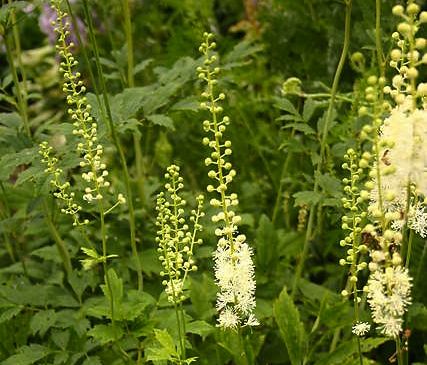
There is a lot of confusion when it comes to natural interventions for relief of menopausal symptoms. This is partially due to the fact that not every intervention is useful for every woman. What helps one woman might not be effective for her sister. The intervention needs to be matched to the unique symptom picture of the woman. A good example of this is black cohosh. This herb is found in nearly every blend for menopausal symptoms, but this herb isn’t the one that will help everyone. It is most likely to help women that have a particular constellation of symptoms, such as hot flashes, depression, and achy muscles or joints. Studies are showing that black cohosh may reduce the hormone surges associated with hot flashes. Black cohosh might also have constituents that act similarly to the medications known as selective serotonin reuptake inhibitors (SSRIs), which could explain its possible mood benefits. In addition to this, studies on SSRIs for menopausal symptoms showed a reduction in the number of hot flashes.

Black cohosh also has pain-relieving attributes that make it an herb to choose for complaints not related to menopause. It has analgesic and inflammation modulating constituents that make it a consideration for joint and muscle pain. It can relax muscles and help with muscle spasms. It can be used for women with menstrual cramps because it relaxes smooth muscles such as in the uterus. Again, the herb is more matched to women who have the combination of cramps, mood issues, and body pain. It may also help with headaches that are related to hormonal issues. Black cohosh is also an herbal option for men who have low back and knee pain, especially if they also have prostate issues or a lot of stress. Side effects are occasionally reported with black cohosh. The most common one is a headache that can be alleviated by adding ginger.

Medicinal Mushrooms

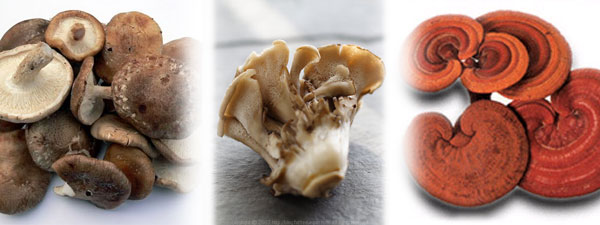
I have some oyster mushroom logs on my land, and was delighted to recently find that the combination of fall rains and warm days had led to a good harvest this year. I was also delighted to learn that in addition to being a gourmet treat, oyster mushrooms share many of the benefits of the other medicinal mushrooms. Many mushrooms like shiitake, maitake, and reishi are known for their use in helping with cancer prevention and enhancing the immune system. These are in fact some of the most common attributes of medicinal mushrooms. Their immune enhancing capacity is due to the special polysaccharides found in their cell walls such as beta glucan. Most mushrooms have these polysaccharides, but the type and amount varies between the different varieties.

In addition to the immune benefits, different species of mushrooms have other unique ways they shine. It is fairly common for mushrooms to contain antimicrobial compounds. Some species like reishi and turkey tail even inhibit the growth of yeast such as candida. These mushrooms and several others are also showing benefit in fighting viral infections. The oyster mushrooms I enjoyed are reported to have these antiviral properties and cholesterol-lowering benefits along with other species including maitake. Unique compounds have been isolated from lion’s mane mushrooms that may help with re-growth of nerves and are being considered for use with many neurological issues like Alzheimer’s.

Fiber For Appetite Control

Weight loss fads come and go. Currently, a fiber called glucomannan from konjac root is popular for appetite reduction to help people reach their weight goals. Since many Americans aren’t getting enough fiber in their diet, I often encourage this approach. Fiber is a nondigestible carbohydrate and is divided into two categories: soluble and insoluble. Soluble fibers like glucomannan swell up in the presence of water, up to seven times their original volume. Many people are taking soluble fibers before meals to help them stick to more modest portions of food. This expansion of fiber can increase the feeling of satiety, which partially comes from the volume of food in the stomach. Fiber also can slow the absorption of sugar. This is why complex carbohydrates that are rich in fiber are better for blood sugar control than simple carbohydrates. Better blood sugar control is also helpful for some people in reaching their weight goals.

Fiber has many health benefits beyond helping reduce appetite. Fiber aids colon function by promoting healthy bowel movements and providing food for the beneficial bacteria of the gut. These bacteria in turn make nutrients that the cells of the colon use for energy production. Fiber can modestly reduce the absorption of fats from our diet. This slightly diminishes our calorie intake and can help improve cholesterol levels. Increased fiber intake has also been correlated with lower rates of cancer, even breast cancer. It is recommended that we get between 21 to 38 grams of fiber daily depending on our age and gender. Beans, vegetables, and fruits are all great sources of fiber, so eat a diet that emphasizes these foods. But increase your fiber intake slowly. Since bacteria digest some of these fibers for us, a sudden increase in fiber can cause gas and intestinal discomfort.

Amazing, All-purpose Aloe

I love herbs and have many favorite herbs that I feel I couldn’t live without. One herb that I always have in my house is aloe. You might keep it around for topical use on burns, but like many herbs, aloe has an impressive list of uses. Topically, aloe can help speed wound healing as well as calm itching from conditions like psoriasis. When aloe juice is consumed, it soothes the insides of the gastrointestinal tract just like it would the skin. But aloe can have a strong laxative effect depending on how it is prepared. The skin of the leaves contains laxative compounds called anthraquinone glycosides. If you want these compounds, buy a whole leaf aloe product that hasn’t been filtered to remove the anthraquinone. But be careful because long-term use of any laxative can lead to dependence.

Probably the best aloe products to choose for internal use are made from whole leaves and then filtered. Though they lack the laxative anthraquinone glycosides, they are rich in immune supporting polysaccharides. These polysaccharides are highly concentrated under the skin of the leaves so the whole leaves are processed and then filtered to remove the laxative compounds. It takes a few ounces of aloe juice to get enough of these polysaccharides, but this may be a useful intervention for people who need an immune boost. Since aloe is immune modulating, it may even help calm an overactive immune system. Aloe may also help ease inflammation, and since it has an affinity for the gastrointestinal tract, it is used particularly for inflammation of the gut. One final benefit of aloe is that it may be an insulin sensitizer that could help pre-diabetics improve their blood sugar control.

Support for Liver Detoxification

The liver is an amazing biochemical center of the body.  It synthesizes important compounds for us like protein and lipids. It stores nutrients such as vitamin A and glycogen, a starch-like molecule used to maintain consistent blood sugar. The liver also is the main detoxification organ in the body. It neutralizes drugs, toxins and substances the body produces like hormones. In our increasingly toxic world, this detoxification activity of the liver is extremely important, but the liver can be overwhelmed by the burden put on it. The liver neutralizes toxins in two steps, which are called Phase I and Phase II. Sometimes the intermediate compounds produced by Phase I are actually more toxic than the original compounds. Ideally, Phase II enzymes rapidly neutralized these toxic intermediates, but when the toxic burden is too heavy these enzymes don’t have the necessary nutrients to do their work. Then, these dangerous intermediates hang around and can damage the liver.

So let’s love our livers and make sure it has the compounds it needs to rapid fight the toxins we face. Cruciferous vegetables are the liver’s best friends because they stimulate both phases of liver detoxification and have nutrients to support the Phase II enzymes. The vegetables in this family include broccoli, kale, cauliflower, Brussels sprouts, and cabbage as well as many others. Glutathione is one of antioxidants that is used by Phase II enzymes. Glutathione is bound to specific toxins to transform them into neutral compounds, and it quenches the harmful free radicals that are created as byproducts of the detoxification processes. If all of the glutathione is depleted by being bound to a heavy toxin load, then these free radicals can harm the liver. The supplement N-acetyl cysteine can help the liver make glutathione, and it is one of the sulfur containing amino acids that is needed by the phase II enzymes. Milk thistle seeds are another supplement that has a well-deserved reputation for helping the liver. It has antioxidant constituents that neutralize free radicals and is one of the most potent known liver protectors. Milk thistle prevents glutathione depletion by toxins and has been shown to increase the glutathione in the liver by 35% in healthy people.

Help for Arthritis Pain

I am not yet 40 years old, but I have already started to notice some creaking in my joints, particularly in a shoulder I injured years ago. So I was not surprised to read that by age forty, 90% of people are already showing signs of osteoarthritic joint changes on x-rays even if they are not experiencing pain. Normally, the body uses an enzyme to make glucosamine, a major building block of joint cartilage, but as we age this enzyme might become less active. Then the rate of joint rebuilding might not keep up with the rate of cartilage breakdown, and when cartilage breaks down, we can experience arthritis pain from the lack of proper cushion between our bones. Many people use pain relievers like ibuprofen for this pain, but these NSAIDs (Nonsteroidal Anti-inflammatory Drugs) actually tend to inhibit cartilage-repairing enzymes and might be speeding up the deterioration of joints when used regularl

Fortunately, there are alternative that can help ease pain without having these possible side effects. Glucosamine is one of the best selling supplements in the United States, and it has the scientific studies behind it to validate this popularity. When compared to ibuprofen in studies, the patients on ibuprofen get faster results, but by four weeks the patient take glucosamine have better pain control than those on ibuprofen. Glucosamine sulfate is considered to be the best form of glucosamine. It has excellent absorption, and the sulfur also benefits the joints by helping to stabilize the connective tissue matrix of cartilage. Sulfur also may inhibit enzymes that lead to cartilage destruction in arthritis. Another sulfur containing supplement is MSM, which stands for methylsulfonylmethane. In addition to being a sulfur source, MSM has anti-inflammatory and anti-oxidant properties that can help reduce joint pain. Some glucosamine blends also contain chondroitin sulfate, a large complex molecule made from glucosamine. There are some good studies on the use of chondroitin for arthritis pain, but chondroitin has poor absorption compared to glucosamine and might only be absorbed after it is broken down to glucosamine.

Probiotics

Because it is such an important foundation of our wellbeing, I emphasize digestive health in my practice. A key component of digestive health is having the correct balance of bacteria living in our gut. There are trillions of bacteria in the human gut with Lactobacillus acidophilus and Bifidobacteria bifidum being the most important species for maintaining the dynamic balance of bacteria. Imbalances in gut flora are common due to antibiotics, disease, stress, or diets high in meat and saturated fats. The wrong population of bacteria in our guts can contribute to digestive distress, but they can also cause less obvious issues. An imbalance of gut bacteria can deactivate digestive enzymes, stimulate dysfunctional immune responses, activate carcinogens, and contribute to migraines. On the other hand, beneficial bacteria help optimize digestion, stimulate immune function, improve the intestinal barrier, and prevent colonization of the gut by pathogens. In addition, they can break down certain toxins and synthesize some of our vitamins like vitamin K. Beneficial bacteria may also help prevent colon cancer by lowering intestinal pH.

When we have reason to be concerned about our gut health, probiotics and fermented foods are important allies. For general health, eat a fermented food on a daily basis, choosing from yogurt, kefir, kombucha, miso, kim chi, and sauerkraut. When we need to evoke a stronger change, we turn to the more potent probiotic supplements. I look for ones that have at least 5 billion active bacteria per serving. Probiotics containing Lactobacillus have been shown to significantly reduce antibiotic-associated diarrhea and ease some of the symptoms of irritable bowel syndrome. But the benefits of probiotics can extend beyond the digestive tract. Lactobacillus acidophilus has also been shown to reduce the symptoms of seasonal allergies. Pregnant women and nursing mothers taking probiotics have children with lower rates of eczema and asthma. These studies used Lactobacillus GG, a specific strain of beneficial bacteria that appears to be particularly potent.