Healthy Hints for Holiday Happiness

The holidays can be a time to relax and enjoy time with your family. And they can be a time to run yourself ragged trying to make holiday magic happen for others. On top of this, some struggle with seasonal depression from reduced sunlight and fewer opportunities to exercise. While winter can be an enchanting time, the additional stress to take a toll on our health. Stress reduces our ability to fight off infections making us more susceptible to winter colds and flu. In addition, long-term stress can increase the risk for diabetes, ulcers, osteoporosis, certain cancers, heart attack, stroke and coronary artery disease. Stress can also contribute to mood issues such as anxiety and depression.

So as the holiday season gets into full swing, it is time to come up with a plan to reduce the negative impact so you can enjoy the good parts of the season.

First, give yourself some “me” time. As I mentioned in my last blog, you deserve the time to be healthy.

Practice your stress coping skills. Choose what works for you and make some time for it. Laughter, journaling, reading, prayer, meditation, imagery, writing, exercise, deep breathing, cultivating positive attitudes, and physical expressions of emotions are some of the more common techniques people have found to creatively manage their stress.

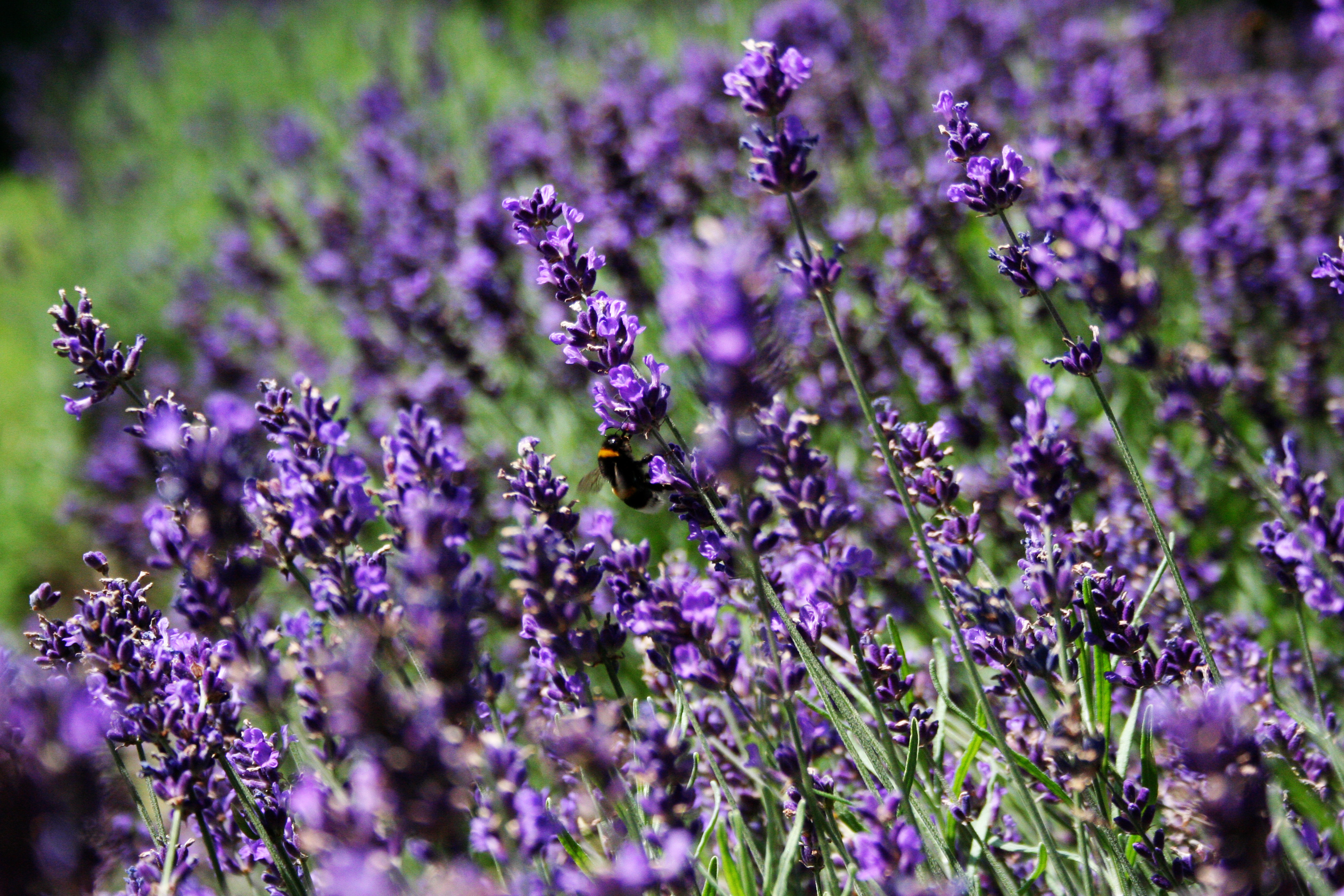
lavender

Try calming herbs. Herbs taken as supplements or teas can help calm the mind. Popular calming herbs like kava, skullcap, and California poppy can be found in capsules or liquid tinctures. Or make your own tea blends from relaxing herbs like lemon balm, catnip, passionflower, lavender, st. john’s wort, and chamomile.

Here is my recipe:

¼ cup chamomile flowers

¼ cup lemon balm leaves

¼ cup passionflower leaves

2 Tbs catnip leaves

2 Tbs lavender leaves

Mixes these together. To make the tea, place 1 teaspoon to 1 Tablespoon of the blend in one cup of water that was just boiling. Steep for 5-10 minutes, preferably covered. Strain the tea, or remove the tea ball if you were using one. Sweeten with honey or stevia if desired.

You can also try your own creation. You might like it so much that you decide to share it with someone on your gift list. Include a tea ball or strainer and a recipe card so they can make more for themselves.

If all else fails, buy yourself a present.

Give Yourself the Gift of Time

I am not going to lie to you. Being healthy takes time. It takes time to cook healthy food for yourself. I always make sure I have at least 30 minutes in the morning to make a nutrition breakfast. It takes time to exercise, but every hour you exercise is essentially an hour you are adding to your life. Adequate sleep is vital because between the seventh and eighth hour of sleep, we get almost an hour of REM sleep, the time when the mind repairs itself. So if you don’t allow yourself a full night’s rest, you are missing this important opportunity to repair and prepare for the next day.

But I didn’t follow my own advice recently. I was working extra long hours and started to feel run down. I took some of my favorite immune supporting herbs like elderberry, Echinacea, and garlic and spent part of a day resting, but the very next day I was busy from 7 am to 11 pm. I had just harvested the last of the garden produce and was determined to get it in the freezer right away so I worked the extra hours. But the cold that I had nearly nipped in the bud became a terrible case of bronchitis. I had to take days off and cancel appointments with patients so I wouldn’t get them sick. In retrospect, I needed to change my priorities. Those veggies could have waited a few more days before I took care of them.

I know that for most people the demands on their time aren’t related to getting this year’s harvest stored, it most likely is the demands of work and family life. For many Americans, time is even becoming a more precious commodity than money, in that they don’t have enough of it for themselves. But we can always consider making different decisions to put ourselves first. When it comes to health, it is okay to be selfish. Our health is a very valuable commodity. In my case, a few hours early on could have saved me days of misery later. And this same equation can hold true when we take little steps to be healthier now. Every extra minute we give ourselves to sleeping enough or eating well may help extend our years of healthy life long term.

Give yourself the gift of time to be healthy. You deserve it.

Cats sleeping

New Insights into Natural Diabetes Prevention

I recently cut fruit juice out of my husband’s diet. I told him I wasn’t going to buy it anymore for him because of a recent study that correlated the consumption of 3 servings of fruit juice per week with a 10% increased risk of diabetes. Even before reading this study, I hadn’t been a fan of juice because it contains the sugar of the fruit without the fiber that slows the absorption of sugar. On the flip side, consuming 3 servings of fruit per week can help reduce the risk of diabetes by 3%. Certain fruits like blueberries, grapes, and apples had an increased protective effect, due to antioxidant compounds located in the skin of these fruits.

So why are antioxidants helpful at preventing diabetes? Excessive consumption of carbohydrates and calories in general causes an overabundance of energy on a cellular level. Unless we are active enough to be burning this excess energy, it actually contributes to the production of free radicals that damage our cells. To protect themselves from this excess energy and subsequent damage, our cells reduce the number of insulin receptors on their surfaces. The result of this is insulin resistance, a prediabetic condition where the body makes extra insulin to try to get cells to remove excessive sugar from the blood stream, but the cells ignore this message.  This protective measure of the cells saves the cells from damage and possible destruction, but long term, insulin resistance can contribute to the development of not just diabetes, but also high blood pressure, cardiovascular disease, and kidney disease.

The solution is not to force the cells to take up the excess sugar from the blood stream, but to reduce the consumption of excess sugar, carbohydrates, and overall calories. Viewing insulin resistance as a defensive mechanism of cells helps us see why these dietary changes are so vital to preventing diabetes. Additionally, exercise increases the energy needs of cells and allows them to metabolize sugar without excessive damage from free radicals.

Finally, looking at insulin resistance in this way helps us understand why a number of antioxidants have been found to be useful in diabetes and insulin resistance. For instance, alpha lipoic acid is a powerful antioxidant that helps fight insulin resistance as well as having the potential to help diabetic neuropathy. Intake of minerals like zinc, copper, and manganese are commonly helpful to diabetics and prediabetics because they help the body make superoxide dismutase enzymes to neutralize free radicals. Understanding these mechanisms can help us make and stick to healthier dietary choices, especially at this time of the year when there are so many sugary temptations.

blueberries

Enhance Digestion and Absorption with Black Pepper

This ubiquitous spice on nearly every table in America is for more than just flavoring. Black pepper actually increases your ability to absorb nutrient. Black pepper stimulates the activity of the digestive tract by increasing the production of digestive enzymes and supporting normal gut motility. Black pepper also is a circulatory stimulant so it increases blood flow to the gut, which helps the digestive tract to work more efficiently and carries the nutrient to the rest of the body. Black pepper as a medicinal herb was traditionally used for sluggish digest and low stomach acid, but it can help nearly anyone get more out of their food and supplements. Its effects are intensified by heating so adding black pepper to your food as it cooks makes it a better digestive enhancer, but watch out too much black pepper cooked into a dish can get very spicy.

ground-pepper-763514-m

Because of these digestive benefits, black pepper extracts are used in some supplements to enhance their absorption. Piperine, an active component of black pepper sold under the name BioPerine, has been shown to increase the absorption of various vitamins, minerals, and antioxidants. This is especially important with harder to absorb supplements like curcumin from turmeric, a popular inflammation-modulating herb. Supplement companies choose many different strategies to help get curcumin into the bloodstream, but BioPerine is one of the most popular approaches. I also mix a little bit of ground black pepper into my jar of turmeric so I know I am getting more out of my turmeric every time I cook with it.

pepper-corns-360019-m

Vitamin C: Powerful Protector

For colds, most people reach for vitamin C to help them get back on their feet sooner. They might chose it because they can tell it helps them feel better, or they might have heard about one of the numerous studies supporting its use. Most studies show that vitamin C reduces the severity of cold symptoms. Even one famous “negative “ study showed that vitamin C reduced the severity of cold symptoms by 20%. This was only considered a negative outcome because these results were not deemed significant. Other studies show that vitamin C accelerates recovery, especially if taken early in the illness. One study using 3000-6000 mg daily showed an 85% reduction in cold and flu symptoms compared to the control. I notice that especially toward the end of a cold, taking vitamin C has a marked effect on my energy levels, helping me get back to work.

Vitamin C can be beneficial for other respiratory issues. In epidemiological studies, increased vitamin C intake is correlated to lower rates of asthma. Supplementation with vitamin C also has been shown to reduce exercise-induced airway reactions such as narrowing of the airways. Additionally, vitamin C may be helpful for asthma that is related to pollution. These benefits are partially due to vitamin C’s anti-histamine effects, which are augmented by the presence of bioflavonoids, compounds that occur in foods alongside vitamin C that potentiate its activity.

Vitamin C’s well-known antioxidant capabilities provide part of its protect of the respiratory tract. When we are exposed to pollutants and toxins, free radicals cause cellular damage, which in turn contributes to inflammation that can exacerbate conditions like allergies and asthma. It is probably these antioxidant actions that help me feel more energetic at the end of a cold. When the immune system is working hard it creates free radicals as part of the process, and these free radicals can contribute to fatigue. By helping remove these free radicals, vitamin C can help you feel normal again. Likewise, vitamin C can protect vital molecules in the body, such as proteins, lipids, carbohydrates, and DNA from damage by free radicals that can be generated during normal metabolism as well as through exposure to toxins. This preserves crucial cellular functions and can help prevent cancer. Finally, vitamin C can regenerate the antioxidant capacity of vitamin E, which is in turn one of the most important fat soluble antioxidant that supports heart health by preventing the oxidation of cholesterol. Again, bioflavonoids also can work as powerful antioxidants supporting the activity of vitamin C so I always look for these when I buy vitamin C.

983682_93664655

Omega-3s for Mood

Fish oil has numerous well-documented benefits for our health. It is probably best known for its cardiovascular advantages of decreasing cholesterol and clotting. Here I am going to focus on its mood supporting qualities, because there have been a number of exciting recent studies. In one study following patients with major depression, the likelihood of also having anxiety was much higher in those with the lowest blood levels of EPA and DHA, the major omega-3 components of fish oil. A second study found that in women a higher intake of omega-3 fatty acids reduced the incidence of elevated depressive symptoms by 49%. This study also pointed out the ratio of omega-3 fatty acids to omega-6 fatty acids was important. This means you can support your mood by both taking fish oil and reducing intake of omega-6 fats like those found in meat and most oils including corn, soy, and vegetable oils.

Fish oil may even be able to reduce suicidal tendencies. It has long been noted in epidemiological studies that low omega-3 levels are correlated with increased rates of suicide. Researchers have also found higher levels of a marker called SAT1 in people with strong suicidal ideation. This marker and related ones were also associated with stress, mood disorders, anxiety, and hallucinations. In mice that were genetically altered to have abnormal expression of these biomarkers, treatment with omega-3 fatty acids brought their levels of the troublesome markers back to normal. All of this very promising research reinforces the use of fish oil as part of the plan to support mental health for even very serious mood disorders.

salmon

Essential Oils for Cold and Flu Season

It is that time of year again. The cool weather is hitting us and I have been seeing more people with colds and other contagious illnesses. One of my strategies to stay well when interacting with sick patients is to use antimicrobial essential oils like peppermint and eucalyptus. While many essential oils have antimicrobial benefits, I particularly choose these two for their additional decongestant nature.

Peppermint essential oil is a very versatile and inexpensive remedy to have around for cold season as well as other times of the year. Inhaling peppermint oil can help relieve sinus pressure because of its high concentrations of menthol, which helps open up congested nasal passages. Peppermint also has analgesic and anti-inflammatory benefits so it helps ease the discomfort that comes along with sinus issues. Peppermint also helps reduce coughing so you nearly always see menthol added to cough drops. Due to its cooling action, adding 10 drops of peppermint oil to a tepid bath can also be useful for fevers or sunburns. For all times of the year, peppermint oil can be a wonderful digestive soother. Add 2-3 drops to 1-2 teaspoons of a carrier oil like almond or coconut oil and massage some of that blend on the back or tummy to reduce indigestion or nausea. Peppermint oil also works well for headaches that are related to digestive or sinus issues. Finally, inhaling peppermint oil has been shown to increase alertness as well as memory and concentration.

Eucalyptus Leaves
Eucalyptus Leaves

A great essential oil to combine with peppermint during cold season is eucalyptus. Eucalyptus is a relative of tea tree and has nearly as potent antimicrobial action as its well-known cousin. It also helps reduce inflammation in the respiratory tract. It is a popular choice for sinus congestion and bronchitis because it helps to break up mucus. Eucalyptus oil can also be a very useful headache remedy. Combined with peppermint it can be used topically for numerous issues from joint pain to repelling mosquitoes. Always dilute them with water or oil before applying to the skin.

For colds, I add 5 drops of an essential oil to a boiling hot cup of water and inhale the steam for several minutes. In addition to easing respiratory symptoms, these oils can also help prevent upper respiratory tract infections. Inhale these essential oils when you have been around sick people or are travelling by plane to create your own essential oil vapor shield.

Catnip: This Nerve Soothing Herb Is Not Just for Cats

My cats love it, but there are many great reasons for people to choose this nerve-toning herb too. While catnip is stimulating to cats, it is relaxing to us. Because of these benefits, catnip can be a good option for restlessness, insomnia, and nervous headaches. It also helps relax tense muscles and ease muscle spasms. For this reason, some women use catnip for menstrual cramps. Like its close cousin lemonbalm, catnip has a pleasant lemony taste that can make it a great choice for a soothing tea. It is also a popular addition to make herbal blends taste better.

Catnip


Catnip is a great herb for children too because of the good taste and gentle effect on the body. It can be used for insomnia or excitability in children. It is good for upset stomachs and other digestive complaints. Catnip has some antiviral activities and can help break a fever. It also helps ease coughs. These actions make it a good herb for children during cold and flu season.

I find catnip very easy to grow as long as my cats don’t destroy it when it is small. I bring the fresh leaves inside for my cats, but also see them in the garden eating it and rolling around in it. Catnip is reputed to be a nerve tonic for cats, so their brains actually benefit from the “buzz” they get. I also love catnip for its scientific name: Nepeta cataria. If fact, I used to have a cat by this name. Her nickname was Nip.

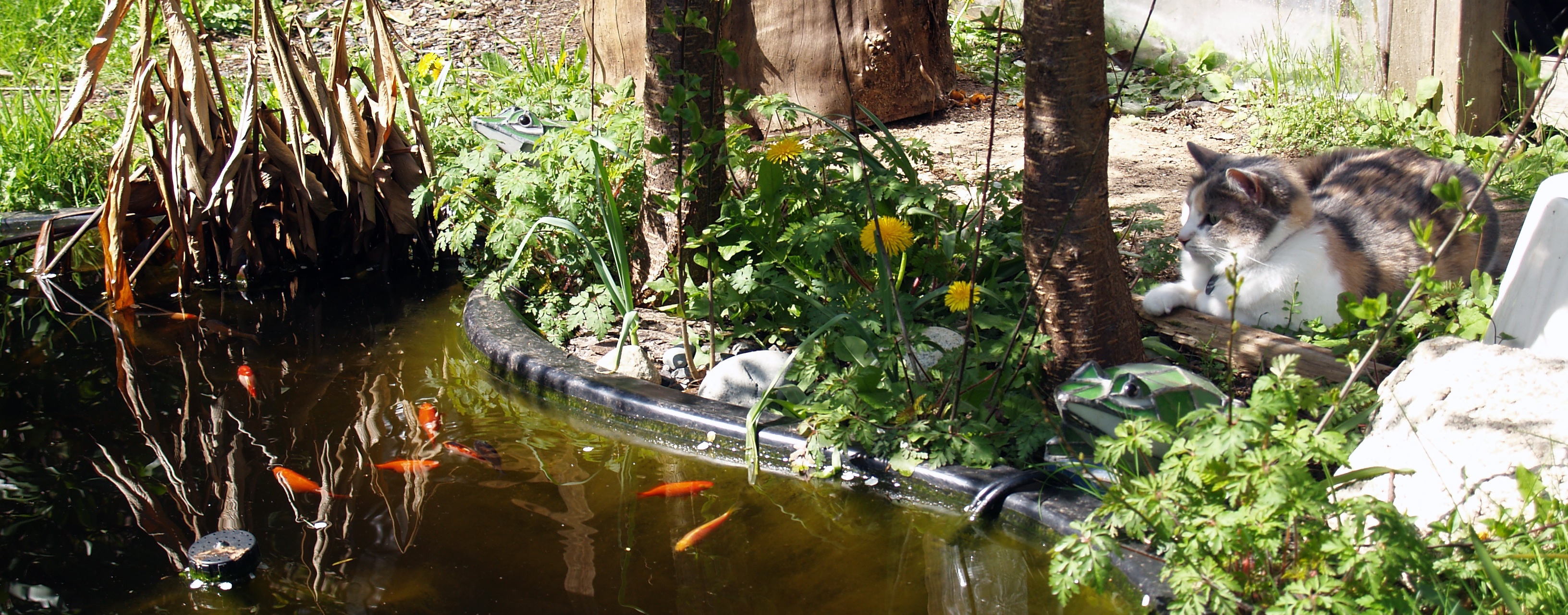
Nepeta hunting goldfish

Spice Things Up: Warming Spices for Digestion

Now that we are getting some true fall weather, it is a good time of year to enjoy some of my favorite warming spices. I love hot beverages spiced with cloves, cinnamon, cardamom, and ginger just to name a few. I usually choose a tea that has some of these spices, but for special occasions it is fun to make a mulled cider or wine for your guests.

For instance, here is a delicious mulled cider recipe.

2 quarts unfiltered apple juice (or 1 quart of apple juice and 1 bottle of red wine)

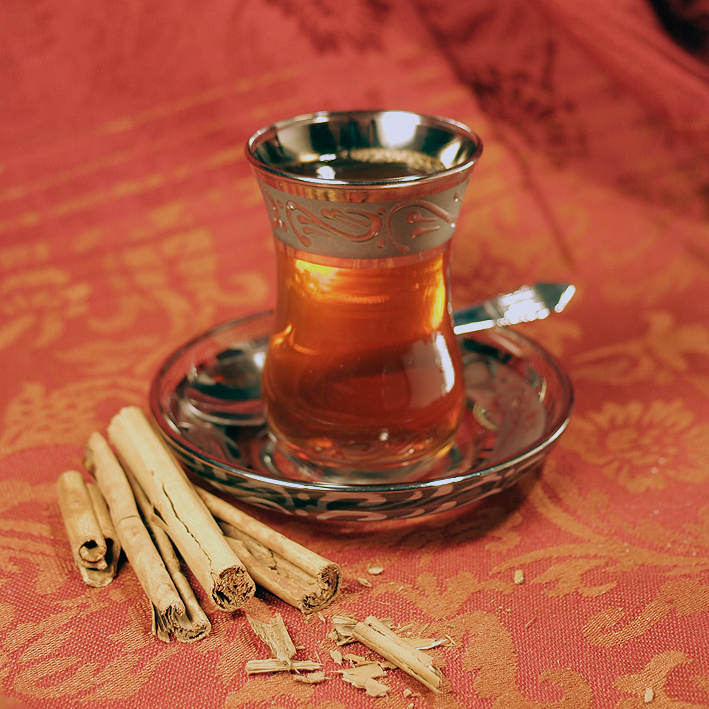
4 cinnamon sticks

1 orange, zested and juiced

8 whole cloves

15 whole allspice berries

½ teaspoon nutmeg, grated

7 cardamom pods

½ teaspoon whole black peppercorns (optional)

1 inch slice of ginger root (optional)

¼ cup honey (optional)

Combine all of the ingredients including the orange zest and juice, bring to a boil and simmer over low heat for 10-20 minutes. Strain and pour into mugs garnished with a cinnamon stick or strip of orange peel and serve.

630833_10583704


The spices used in these seasonal beverages tend to be called warming spices because they stimulate blood flow and help us feel cozy on cool fall days. They also increase blood flow to the digestive tract, helping it to work more efficiently. All of the spices in my mulled cider recipe are also medicinal herbs known as carminatives. These are herbs and spices that are rich in volatile oils that help ease digestive discomfort and reduce gas pain. Other examples of carminative herbs are anise, fennel, chamomile, peppermint and turmeric. Many of these spices also have antimicrobial properties so they may help prevent colds. Additionally, cinnamon is well known for helping improve blood sugar. Your guests can just enjoy themselves without even knowing how much you are benefiting their health.

Let me know if you have a favorite way of enjoying these spices.

Immune Boost!

The first cold of the season has been working its way through my patients, so this is the perfect time to talk about boosting the immune system. A strong immune system can help us avoid colds and flu during the winter months to come. The first step is to avoid the things that suppress the immune system like improper nutrition, lack of sleep, and stress. Okay, I admit we can’t avoid all stress, but we can do things to reduce the impact stress has on the body. As I have mentioned in many of my blogs, stress suppresses the immune system. The purpose of this mechanism is to prioritize our body’s use of energy: for instance, when it is time to run from the bear, our bodies divert energy away from our immune system, because who cares about that virus that might kill us in a week if we don’t survive the bear in the next hour! But now in our society, we often have continual low-grade stress that can still suppress our immune system even if we are not facing a bear.

To reduce the impact of stress, we can use medicinal herbs known as adaptogens to balance out our response to stress and strengthen our adrenal glands. Examples of adaptogens include holy basil, astragalus, ashwagandha, and cordyceps. If I could only take one supplement, it would be one of these herbs or a blend of them. I find them to be extremely useful for supporting my energy and stamina as well as keeping my immune system healthy.

Many mushrooms like reishi are well known for helping enhancing the immune system as well as acting as adaptogens. Their immune enhancing capacity is due to the special polysaccharides found in their cell walls, such as beta glucan. Most mushrooms have these polysaccharides, but the type and amount varies between the different varieties. Reishi has been shown to activate several types of human immune cells such as macrophages and natural killer cells.

Another medicinal mushroom to use during cold and flu season is agarikon. One study showed it to have exceptionally strong antiviral activity against a range of viruses including the bird flu H5N1. It even out performed an antiviral drug for fighting the flu virus. For more information on agarikon, check out what mushroom expert Paul Stamets had to say about it on the Huffington Post.