Natural Insect Repellant

I am so grateful for the rain we have been getting this year. The countryside is incredibly lush and my garden is thriving, but naturally so are the bugs. Living out in the country, I see ticks on a daily basis—partially because my cats like to roam and are thoughtful enough bring them home to me. I have chickens and guineas that do their best to cut down on the bug population, but my cats clearly wonder far beyond the predatory range of my chickens. The mosquitoes, too, are enjoying the moisture. Both of these pests can make us itch and scratch, but worse they can spread diseases like Rocky Mountain Spotted Fever and West Nile Virus. The most common recommendation to avoid these bloodsuckers is to use an insect repellant containing DEET, but I would personally rather avoid this questionable chemical.

Alternative insect repellants often contain essential oils like citronella, basil, grapefruit, lemongrass, lemon eucalyptus, and peppermint. When initially applied essential oils are just as effective as DEET, but these volatile oils evaporate fairly quickly, so they don’t repel insects for more than an hour or two. Some people don’t mind reapplying these formulas frequently since they have a pleasant odor and can be diluted with water to be a refreshing mister during hot day. However, if you’d prefer not to continually reapply throughout the day, another option is to buy a formula that is oil based and designed to last longer. An example of such a product, Buzz Away Extreme, was shown to still repel 90% of mosquitoes after 3 hours, making it at least as effective as a conventional insect repellant containing 15% DEET. Natural insect repellants containing citronella have also been shown to be as effective as DEET at repelling chiggers and ticks, as well.  Similarly, geranium and lemongrass essential oil have also been shown to be effective at repelling chiggers.

Though despite taking these precautions, I do sometimes still get bitten. For tips on how to deal with insect bites, you can read my blog from this time last year.

Otter and Bois d'arc: My chief tick collectors
Otter and Bois d’arc: My chief tick collectors

Benefits of Whey Protein

I occasionally use a protein powder as a snack or part of a meal replacement. While I don’t believe we can truly replace a meal with supplements, sometimes protein powders can be a handy way to boost our protein intake. For people that tolerate dairy well, whey protein can be a good choice because it mixes easily and tends to be very palatable. Because of its particular amino acid compositions, whey protein also offers some benefits that other protein powders don’t. For instance, in a small study participants given whey protein, who otherwise ate as they wished, experienced a slight weight loss compared to those given soy protein who had no change in weight. This group also saw a reduction in ghrelin, a hunger hormone that makes us crave high calorie foods. Whey protein is also commonly used by athletes and has been shown to reduce post-workout muscle damage. Whey protein is high in branched-chain amino acids like leucine that have been shown to improve upper body strength and lean body mass. Whey protein can also help seniors shape up by helping improve muscle mass and function. In fact, whey protein led to skeletal muscle improvements that were superior to those from control groups of participants taking an equivalent amount of amino acids, the building blocks of proteins like our muscles.

In addition to helping body composition, whey protein can improve our well being in several key ways. One study demonstrated significant decreases in cholesterol, triglycerides and fasting insulin levels when participants consumed whey protein, but not when they received casein protein. Whey protein may also help with detoxification and cancer prevention since it is a source of cysteine, which our bodies need to make glutathione, a critical antioxidant for protecting our bodies from toxins. There are also immune benefits from whey protein as demonstrated in a study where elderly subjects receiving pneumonia vaccines produced more of the protective antibodies against the pneumonia-causing organisms. Whey protein is also a good choice as part of a protocol to speed healing from surgery.

Herbs of the Ozarks

I believe that if we know the local herbs in any region well enough, we can rely on them nearly exclusively to treat most common complaints. This holds true for the Ozark region, where many classic American herbs grow and many introduced species also tend to flourish. In fact, the Ozarks are part of the native range for herbs in very high demand—like goldenseal and American ginseng.

Another well-known plant from this part of the country is black cohosh. This herb is found in nearly every blend for menopausal symptoms, but it is most effective for women that have a particular constellation of symptoms, such as hot flashes, depression, and achy muscles or joints. Studies are showing that black cohosh may reduce the hormone surges associated with hot flashes. Black cohosh might also have constituents that act similarly to the medications known as selective serotonin reuptake inhibitors (SSRIs), which could explain its possible mood benefits. Furthermore, black cohosh also has pain-relieving attributes that make it an ideal herb to choose for discomfort and complaints not related to menopause. It contains analgesic and inflammation modulating constituents that make it a promising consideration for joint and muscle pains. Women can use it to address menstrual cramps because it relaxes smooth muscles, such as those found in the uterus. Black cohosh is also an herbal option for men who have low back and knee pain, especially if they also have prostate issues or are under a lot of stress.

 Robert H. Mohlenbrock @ USDA-NRCS PLANTS Database / USDA SCS. 1991. Southern wetland flora: Field office guide to plant species. South National Technical Center, Fort Worth.

Robert H. Mohlenbrock @ USDA-NRCS PLANTS Database / USDA SCS. 1991. Southern wetland flora: Field office guide to plant species. South National Technical Center, Fort Worth.

Japanese honeysuckle is a plant that is probably known to every Arkansan, but few know about its health benefits. Japanese honeysuckle isn’t native to the Ozarks. It was introduced and is now invasive, but one way to combat invasive plants is to harvest them for herbal medicine. The flowers of Japanese honeysuckle are antimicrobial, antiviral, inflammation modulating, and mildly detoxifying. The most common traditional use of honeysuckle flowers is as a component of Chinese herbal blends for colds and flu. A modern use of honeysuckle flowers is as an addition to pharmaceutical or herbal antimicrobial agents to increase their effectiveness. Additionally, Japanese honeysuckle flowers can help block the pumps that harmful bacteria use to disseminate the antimicrobial agents out of themselves. Apart from supplementation, Honeysuckle flowers are also mildly cooling and can make a refreshing summertime iced tea.

So we don’t necessarily have to search exotic lands for our medicinal herbs. Instead we can use our local plants provided by Mother Nature to help our environment and ourselves.

And you can check out my recent appearance on a local Harrison TV station talking about some other common herbs found here in the Ozarks.

Prevent Parkinson’s Disease with Peppers

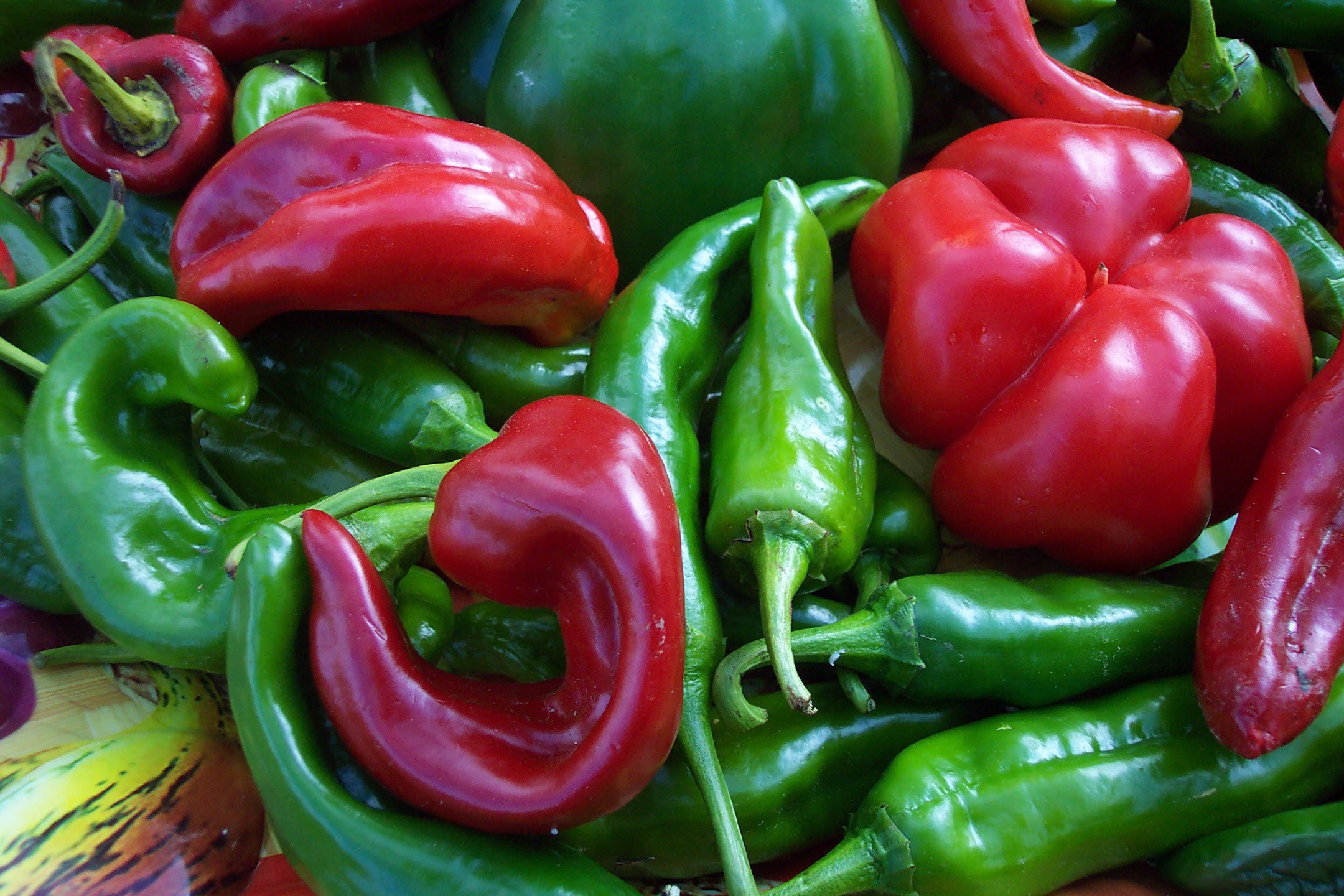
It is sad to see someone who used to be full of vitality now walking with slow shuffling steps or dealing with the uncontrollable tremors of Parkinson’s disease. While there are natural treatments that can slow and/or improve the symptoms of Parkinson’s disease, we are much better off focusing on prevention. A few new studies are pointing to some easy steps to help reduce your chance of getting this illness. It has long been observed that people who use tobacco have lower risk of Parkinson’s disease, but who wants to adopt all of the other health concerns that come with smoking. Fortunately, a small amount of nicotine is found in the nightshade vegetables, which include tomatoes, potatoes, eggplant, hot peppers, and bell peppers and are in the same plant family as tobacco. It has been399270_3114 shown that the neuroprotective effects of nicotine occur with very low doses and these vegetables seem to have enough to provide that protection. A recent study demonstrated that people who regularly consumed these vegetables, particularly peppers, reduced their risk of Parkinson’s disease by 19%. The effect was the greatest in people who had never smoked with a risk reduction of 31%. Of course, a diet high in diverse amounts of veggies and fruits is generally recommended for the prevention of many diseases, but don’t forget the humble bell pepper.

A review of other studies on Parkinson’s disease prevention gives us still more reason to make sure we are getting the optimal level of nutrients and working to reduce our exposure to toxins. Optimal vitamin D levels have been linked to the prevention of many diseases including breast cancer as I discussed in last week’s blog. Again in the case of Parkinson’s, there is an inverse relationship between vitamin D levels and the risk of this illness. Also, a small study confirmed that vitamin D supplementation helped slow the deterioration of symptoms in Parkinson’s patients with specific genetic markers. It is also important to consider antioxidant intake. Some studies have shown that patients with Parkinson’s disease have reduced antioxidant capacity as demonstrated by lower vitamin E and glutathione peroxidase levels. Glutathione peroxidase is one of the most important detoxification enzymes in the body, which uses glutathione to neutralize toxins. This study also revealed that the severity of the Parkinson’s disease correlated to the degree of oxidative stress. This supports many observational studies showing higher rates of Parkinson’s disease among people exposed to different chemicals in paper mills, orchards, and even from well water. Toxins are not the only contributing factor to Parkinson’s disease, but it appears that we can help prevent this and many other diseases by reducing our exposure to toxins and increasing our antioxidants.

Breast Cancer Prevention: Alternative Health Tips to Help You Love Your Girls

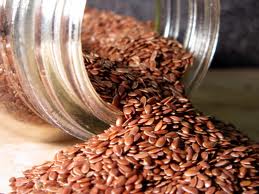
About 1 in 8 U.S. women (just under 12%) will develop invasive breast cancer over the course of her lifetime, but there are things we can do to help beat those odd. Diet can play a large role in breast cancer prevention. The World Health Organization estimates that 25% of cancers are related to improper diet. For instance, women who eat more high carotenoid foods have a 20% lower rate of breast cancer compared to those who get the least. Carotenoids are the colorful pigments found in foods like carrots, tomatoes, and leafy green vegetables and include not just the well-known beta-carotene but also alpha-carotene, lutein, and lycopene. Diets high in fiber are also associated with lower risk of breast and colon cancers. Healthy fats are another food category correlated to lower flaxincidences of breast cancer. Examples of healthy fats are monounsaturated fatty acids from olive oil and Omega-3 fatty acids from fish and flax. Also a diet high in lignans was linked to lower rates of hormone sensitive breast cancers. One of my favorite sources of lignan is flaxseed, because they also have fiber and Omega-3 oils, making them a great dietary addition to help prevent breast cancer. Add ground flaxseeds to cereal, smoothies, yogurt, salads, and any number of other foods.

There have been numerous studies linking deficiencies of certain nutrients to higher rates of breast cancer. Many studies have shown a correlation between vitamin D deficiency and breast cancer. Vitamin D is thought to be particularly effective in helping prevent estrogen sensitive breast cancer. Among the other ways it is thought to reduce cancer rates, Vitamin D can inhibit the growth of cancerous cells by helping stop the replication of cancer cells and reducing their ability to invade other tissues. Selenium deficiency is also correlated with increased rates of nearly all cancers including breast cancer. Selenium is an important part of glutathione, one of the most important detoxification molecules in the body. Toxins in our environment, homes, cosmetics, food, and water are thought to possibly contribute to climbing rates of breast cancer. Therefore, it is also important to exercise to help the body get rid of toxins through sweat. Likewise, make sure you only use natural body care products since we seem to be able to absorb all sorts of chemicals through our skin.

Yes, Fish Oil May Help You Live Longer

Back in the 1980, all fats were considered to be unhealthy.  Then, we started distinguishing between good fats and bad fats. Healthy fats include certain unsaturated fats like the monounsaturated fats in olive oil and Omega-3 fatty acids. Sources of Omega-3s fats includes fish, fish oil, canola oil, flaxseeds, and a few other seeds and nuts. Omega-3 fatty acids are widely used to help reduce inflammation and blood clotting. They are also important for skin health and mood. Omega-3 oils support the brain and are associated with healthier brains as we age.

It has long been argued that consuming fish or other Omega-3 sources is good for the heart. Some studies have confirmed this, but others showed no results. A recent well-conducted study seems to have solidly demonstrated the benefits of Omega-3 for the heart and overall longevity. Of over 2000 participants over 65 years old, those with the highest blood levels of Omega-3s had a 27% lower risk of death compared to those with the lowest levels during the 15 years they were tracked. This corresponded to the people with the higher levels of Omega-3s living 2 years longer on average. The largest effect was a 50% reduction in deaths due to cardiac arrhythmias, which are irregular heartbeats that can be live threatening. The difference between this and previous studies is this study measured the amount of Omega-3 fatty acids in the blood of the participants, while other studies had relied on dietary recall of what participants were eating or used questionable quality fish oil supplements. Many prescription and supplemental fish oils are modified from their natural form and may not be absorbed well. It is argued that fish oils that occur in their natural form, know as triglycerides, will be much better absorbed. This is one of the reasons I recommend brand that make sure their oils are in the natural triglyceride form like Nordic Naturals.

Ozonated Olive Oil for Summertime First Aid

We are lucky to have many wonderful local supplement companies in Fayetteville, but there is one local company that is making a product that is probably new to many of you: ozonated olive oil. Ozone is the special form of oxygen found in the upper atmosphere that we rely on to protect our planet from harmful radiation. Ozone is also a pollutant found in our cities. It turns out that ozone can also be used on our skin to protect it and speed healing. Ozonated oils are made by bubbling ozone through oil until the oil becomes thick like a salve. These oils make turn a harsh gas into something that is safe to use on the skin because the ozone chemically reacts with the oil to make tamer ozonated derivatives.

Several studies have demonstrated how ozonated oils can speed the healing of wounds. When compared to plain olive oil applied topically, wounds treated with ozonated olive oil showed smaller wound size at five days and increased density of collagen fibers, the tissues that help keep our skin strong. The researchers explained that this faster healing was due to the increase of growth factors in the skin that supported tissue repair. Other researchers discuss the use of ozonated oils as a disinfectant and oxygen donor to the skin. They mention the use of ozonated olive oil for wounds and also burns and skin reactions to radiotherapy. Popularly, ozonated olive oil is also used for diaper rash, eczema, ringworm, shingles, and acne. I have personally found ozonated olive oil to be the best treatment to neutralize chigger bites. Usually, I only have to apply it one time to the bites and they no longer itch.

To learn more about our locally made ozonated oils, check our www.purO3.com and consider adding ozonated olive oil to your summertime first aid kit.

Natural Support for Seasonal Allergies

The other day I walked outside to find my car covered in pollen, so clearly we are entering the peak season for seasonal allergies. The question I always address at this time of year is how to reduce allergy symptoms naturally. First, start with overall health and diet. For instance, people who consume diets higher in carotenoids, nutrients found in many vegetables, had lower incidences of seasonal allergy symptoms. I have also had numerous patients whose allergy symptoms became more manageable when they eliminated a troublesome food from their diets, such as dairy. A couple of studies have also shown that the use of products containing beneficial bacteria, such as probiotics, can reduce allergy symptoms in children and adults with moderate to severe nasal symptoms. These probiotics may be helping by reducing inflammation in the body or reducing the body’s tendency to react to some of the common problem foods.

Butterbur
Butterbur

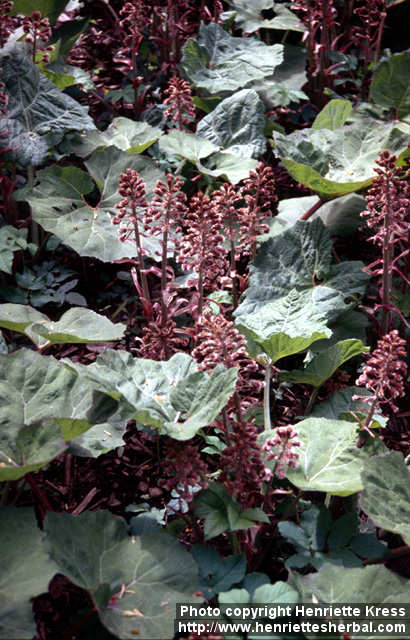
After the diet is improved, we can tackle the remaining symptoms with natural supplements. For years, I have been touting the use of zinc for allergy sufferers. Zinc helps to balance out the immune system, which can reduce the body’s overreaction to allergens like pollen. In addition, a study has shown that people with seasonal allergies tend to have lower levels of serum zinc compared to non-allergic people. Another fabulous allergy supplement is the herb butterbur. Butterbur is an inflammation-modulating herb that has been used for coughs, allergies, and migraines. A recent study comparing butterbur to an allergy medication and a placebo showed that butterbur and the medication were both equally superior to the placebo in reducing allergy symptoms. But always make sure the butterbur you purchase has had its unsaturated pyrrolizidine alkaloids removed, since long-term consumption of herbs that still contain these compounds can damage the liver.

This is just a few of the supplements worth considering for allergy support. For few other ideas, check out this recent article on allergies that quotes me along with other local practitioners.

Examining Drug Supplement Interactions

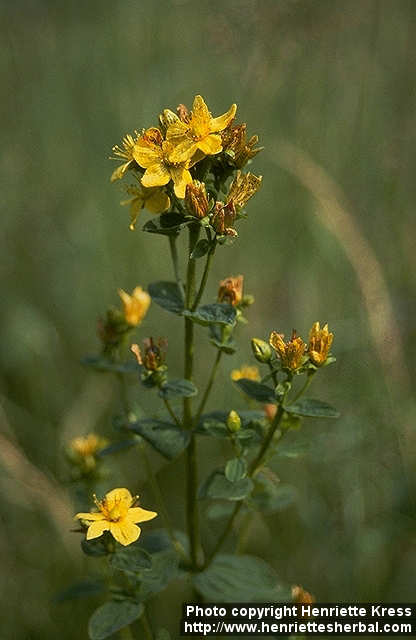
Though I am an avid herbalist, my goal isn’t necessarily to get my patients off of all of their medications. But for those for whom remaining on medications is the best choice, it is important to make sure that any supplement I want to add will not have a negative interactions with the drugs. Common interactions between herbs and drugs include situations where the drug and the herb have similar actions in the body and the overall effect is too strong. For instance, you wouldn’t combine the herb Valerian with the drug Valium because they are both sedating. The two together could cause decreased consciousness or at higher doses could possibly cause respiratory failure. Other times, herbs can make medications less effective. Some herbs like St. John’s Wort can speed up the activity of liver enzymes that neutralize certain medication. For instance, I will often choose another herb rather than St. John’s Wort for mood support in my patients taking birth control pills because birth control is one of the medications that could become less effective with St. John’s Wort. St. John’s Wort doesn’t effect all medications, but there are a fair number of medications that shouldn’t be used with it.

On the other hand, there can be positive interactions between supplements and medications where certain supplements enhance the effect of a medication in a positive way or prevent medication side effects. For instance, a study revealed that taking fish oil with an antidepressant was more effective for mood issues than the medication alone. I also look out for medications that deplete specific nutrients from the body. Such as the popular diabetes drug, Metformin, it inhibits the absorption of calcium, folic acid, and vitamin B12. Therefore, I will often make sure my patients on this medication are taking extra amounts of these nutrients. Another very common example is the use of probiotics to prevent some of the digestive distress that antibiotics can cause.

There are several interaction finders available on the Internet, but unfortunately their information on supplements is often lacking or inaccurate. If someone is taking any drug and wishes to take herbs as well, it is best they seek the advice of a professional trained in herbal therapy.

hypericum-perforatum
St. John’s Wort


Ubiquinol: A better form of Coenzyme Q10

Coenzyme Q10 is an important supplement that can benefit numerous conditions, especially heart disease. CoQ10, as it is often called, supports energy production in our cells and works as an antioxidant to protect our cells from damage. These roles are important for heart health because the heart needs a lot of energy. In addition, the ability of CoQ10 to prevent the oxidation of cholesterol may help protect us from atherosclerosis. CoQ10 is also used to reduce fatigue in patients with fibromyalgia. It can help protect the kidneys and liver. One month of CoQ10 supplementation was even shown to reduce symptoms of dry mouth, probably by improving the functioning of the salivary glands. CoQ10 is even thought to reduce some of the symptoms of old age. In a study with middle-aged mice, those who had received regular CoQ10 showed reduced signs of aging and improved activity levels.

So where does ubiquinol fit into this picture? There are actually two forms of CoQ10, known as ubiquinone and ubiquinol. Most CoQ10 is ubiquinone, the oxidized form of the molecule, while ubiquinol is the reduced form. This means that ubiquinol is the form of CoQ10 that is ready to neutralize antioxidants. Even more important is that ubiquinol can be up to 3 times more absorbable than the standard ubiquinone form. This varies because our body seem to change how much it absorbs based on how much CoQ10 we need. For instance, people with congestive heart failure usually need more CoQ10. In a recent study among this patient group, taking an average of 450 mg of ubiquinone resulted in blood levels of CoQ10 around 1.6 micrograms per milliliter, but when they switched to an average of 580 mg of ubiquinol, their blood levels jumped to 6.5 micrograms per milliliter. Even more importantly, the switch to ubiquinol resulted in improvements in their symptoms. So even though ubiquinol is more expensive than the standard forms of CoQ10, you can get more for your money by buying this more absorbable form.