The Detoxifying Power of Burdock

Now that winter has passed, it is good time to focus on detoxification. In the winter, we are less active, tend to sweat less, and therefore can have slower elimination of toxins. In fact, it is an Arkansas tradition among some old-timers to do a spring cleanse. One traditional Arkansas herb was sassafras, but since there is some controversy about sassafras, I thought I would pick another herb to focus on: Burdock. Burdock is originally from Europe, but it now also grows here as you may have learned if you have ever encountered its huge burrs. But it is not the burrs we want; it is the root we can use for detoxification.

The general idea behind detoxification is to get things flowing so toxins are carried out of the body. The advantage of burdock is it improves the elimination of toxins by several means, but it does all of them gently. Burdock has some gentle laxative effects on the bowels and is a mild diuretic for the kidneys. In addition to these actions, it stimulates the release of bile from the gallbladder. Bile carries neutralized toxins from the liver into the bowels. Burdock’s gentle laxative action helps make sure the toxins don’t linger too long in the bowels. Burdock also increases the movement of lymphatic fluids that carry toxins away from our cells. Because of all of these benefits, burdock has a reputation for helping many types of skin conditions, which are often a reflection of issues deeper in the body like toxicity. Since it isn’t a harsh detoxifying agent, burdock can be used long term to help contribute to a healthier you. Another great things about burdock it is available as a dietary supplement or as a food. Burdock can be a great addition to stir-fry or stew, so consider making burdock a part of your life.

Immune Boosting Astragalus

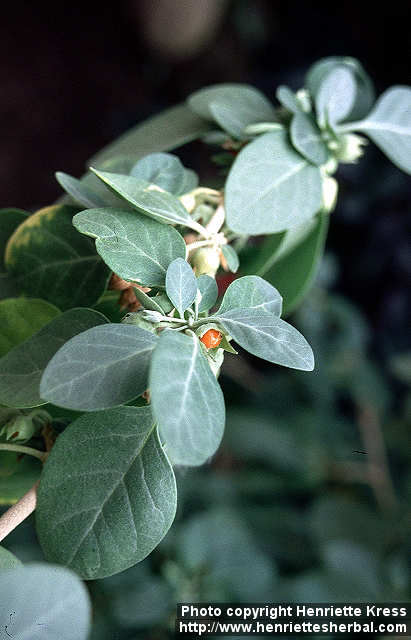
Spring isn’t quite here, but it is starting to feel like it. As much as I love spring, these shifting temperatures can be stressful on the immune system. That is why early spring tends to be a prime season for cold and flu. I have personally added the herb Astragalus to my daily regimen to help strengthen my immune system since I am around sick people often. Astragalus is categorized as an immune modulating herb, meaning that it helps rev up or calm down the immune system based on what the body needs. I prefer this type of “wise” herb to the ones that just stimulate the immune system like some species of Echinacea. Also unlike Echinacea, astragalus can be used long term. Astragalus also has some antiviral properties, and research shows that it may help to prevent upper respiratory tract infections.

In addition to its immune benefits, astragalus has other powerful benefits that make it worthy of our consideration. Astragalus is an adaptogen, meaning it helps the body compensate for long-term stress. Stress can have a negative impact on our bodies, particularly our adrenal glands that help regulate our metabolism among other things. Our adrenal glands release cortisol in response to stress. Disrupted cortisol production can be associated with fatigue, insomnia, and even high blood sugar and blood pressure. By balancing adrenal output, astragalus may help with these issues. Adaptogens may also help increase stamina during exercise. Another advantage of astragalus is it is high in antioxidants and helps to protect the liver. Because of this range of very useful benefits, astragalus is definitely an herb to get to know better.

Brain Protecting Mediterranean Diet

I frequently recommend the Mediterranean diet to my patients who are at higher risk for heart disease. Many studies have shown that this diet lowers the risk of cancer, cognitive disorders, and heart disease. I also like this diet because it can be easy to follow. This basis of the diet is to consume more fish, olive oil, nuts, beans, whole grains, and fruits and vegetables. At the same time, you reduce your consumption of red meat, sugar, and unhealthy fats like saturated fats, trans-fats, and oils high in Omega-6 fatty acids like corn and soybean oil. Of course, this diet also includes an occasional glass of red wine.

Now, there is a new study on the brain benefits of the Mediterranean diet that has me even more excited about it. This study showed that following the Mediterranean diet might prevent against damage to small blood vessels in the brain as shown on MRI. This protection of brain blood vessels may help reduce the risk of stroke and cognitive decline. Increased consumption of olive oil seems to be the component of the Mediterranean diet that is most closely correlated to this protection. More importantly, it was the ratio of the monounsaturated fats in olive oil to the amount of saturated fats found in meat and full fat dairy products. This is why the Mediterranean diet both emphasizes increased consumption of olive oil and reduced intake of meat and other sources of saturated fats. If you would like more information on the Mediterranean diet, check out what the Mayo Clinic has to say about the Mediterranean Diet.

Boost Your Veggie Intake

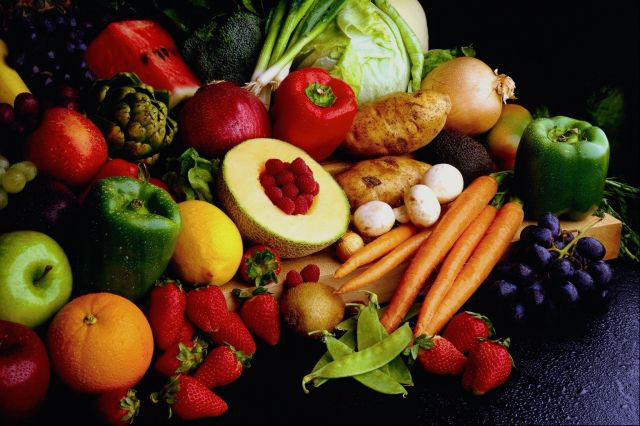
When I examine people’s diets, one of the most common weak areas is insufficient vegetable consumption. I understand the issues: sometimes it is the flavor of certain vegetables, the time it takes to prepare them, and I see very few people who crave vegetables like they might other foods. But I also understand the advantages of increasing vegetable intake to the recommended 3 cups per day. Vegetables and fruits are not only high in vitamins and minerals; they are also rich in diverse antioxidants that are as vital to our longevity. Numerous studies have shown the benefits of diets high in antioxidants from foods in helping prevent cardiovascular disease. When they study a single antioxidant like Vitamin C, they don’t find the same preventative benefit as with the complete package offered in produce. The natural matrix and cofactors found in fruits and veggies enhances the absorption of vitamins so that getting a few milligrams of a vitamin from vegetable might be the equivalent of hundreds in a supplement.

To help you get more of these benefits, here are some of my favorite tips for increasing vegetable intake.

  • Keep it colorful. Every different color represents a different antioxidant.
  • Use prewashed salad mixes to add quick salads to any meal.
  • If you make smoothies, add greens to them. Try baby greens or sprouts or anything else tender that your blender can grind up.
  • Throw sprouts or grated vegetables on sandwiches, wraps and salads. Broccoli sprouts highly concentrate the cancer preventing compounds of broccoli.
  • Keep frozen veggies around for when you don’t have time to chop some up yourself. Freezing doesn’t destroy too many of the nutrients.
  • Add flavor to nearly any vegetable by sautéing it with olive oil and garlic. Add a splash of vinegar at the end, I like balsamic.
  • Use veggie sticks from carrots, celery, cucumber and/or bell pepper to dip in hummus or other healthy dips.
  • If you are still not getting enough veggies, consider adding a green food powder to your regimen.

Heart Healthy Hibiscus

Since February is Heart Health Month, I want to continue raising awareness about the risk factors for cardiovascular disease, particularly those that are clustered together in metabolic syndrome. Metabolic syndrome is a complex of symptoms that can be the precursor of diabetes or heart disease. It is defined as the presence of three or more of the following markers: high blood pressure, high triglycerides, low HDL cholesterol, elevated blood sugar, and increased abdominal girth. The high levels of insulin seen in metabolic syndrome appear to increase the progression of atherosclerosis, the deposition of high cholesterol plaques on the artery walls. Many people who have this constellation of issues don’t realize that they are interrelated and can be addressed together to some extent.

Hibiscus is a delicious tasting beverage tea that seems to be uniquely suited for people with metabolic syndrome. One study with diabetic patients, showed that two cups of hibiscus tea daily helped lower triglycerides and total cholesterol and raise HDL cholesterol, the good cholesterol. These finding were supported by a second study, which also showed a reduction in blood sugar levels in participants with metabolic syndrome. It is hypothesized that hibiscus helps improve insulin resistance, which is an underlying aspect of the symptoms of metabolic syndrome. Finally, hibiscus has been show to slightly lower blood pressure. I like hibiscus tea sweetened with stevia and served over ice. And its beautiful red color can make it a great addition to a Valentine’s Day gift for any one whose heart you love.

Natural Blood Pressure Support

A recent study on heart disease served as a dramatic eye opener about the impact of risk factors like elevated blood pressure, cholesterol, smoking and diabetes. Having two or more of these risk factors at age 55 gives you a 30% chance of death from cardiovascular disease by age 80. Even more shocking was the finding that only 5% of the thousands of people in the study had optimal blood pressure, cholesterol, blood sugar, and non-smoker status. This optimal profile was associated with about a 5% lifetime risk of cardiovascular death. Even if you are not in this 5%, there is still hope that reducing your cardiovascular risk factors can improve your odds. In another study on male doctors, the number of cardiovascular risk factors that were controlled correlated with decreased risk of a serious cardiovascular event such as a heart attack. With each risk factor that was managed, the odds of a heart attack dropped further. Those participants with uncontrolled high blood pressure had nearly a 70% greater risk compared to people with normal blood pressure. When blood pressure was controlled, this risk of a serious cardiovascular event dropped to 34%. Their odds weren’t as good as participants who had never had blood pressure issues, but the drop was enough to warrant intervention.

Natural medicine offers many options to help control high blood pressure. Individual options tend have fairly mild effects so I often warn people that with more elevated blood pressure that they may need to use a combination of intervention, including sometimes medication. Whether medications are part of the plan or not, lifestyle factors are extremely important for cardiovascular health. In a recent study, fitness was found to be better predictor of heart disease risk than body weight. Numerous other studies have shown the heart protecting benefits of eating a diet high in antioxidants from fruits and vegetables. Potassium is another nutrient that may help lower blood pressure, and many Americans don’t get enough of this mineral. The RDA recommends we get 3500 mg daily, but many people only get half this much. While potassium supplements are available, they are limited to 99 mg per capsule. Instead, look for potassium rich foods. One of my favorites is coconut water, but to find a full list of potassium powerhouse foods check out the website for World’s Healthiest Foods.


Natural Support for Aging Brains

I have always been known as a sharp person, and as I intend to practice medicine until I am quite old, I need to make sure I maintain my keen mind. There are many different challenges that can lead to memory impairment as we age. Circulation to the brain can be decreased by atherosclerosis, leading to lower available oxygen. The energy centers of our cells, mitochondria, can stop functioning at peak efficiency. This leads to a decline in energy levels in the brain, and these dysfunctional mitochondria release larger amounts of free radicals that can damage the brain cells. Free radicals are a contributing factor in many neurodegenerative conditions including Alzheimer’s and other dementias.

Periwinkle

These potential challenges to proper brain function provide us with clue for where we should look for support, as we grow older and wiser. Vinpocetine is notable for addressing many of these issues. Vinpocetine is derived from an extract of Vinca, better known as periwinkle. It can help increase blood flow to the brain and reduce the levels of damaging free radicals. This is why it is gaining a reputation for protecting brain cells. Vinpocetine may also increase the efficiency of dysfunctional mitochondria in the brain so they can produce more energy. The production of neurotransmitter related to memory may also be enhanced by vinpocetine. Placebo controlled studies on elderly patients with age-related mental decline further supports vinpocetine’s potential. The patients taking vinpocetine outperformed those taking placebo on several different tests of mental function.

Why Choose Better Body Care Products

When it comes to staying healthy, some people are cautious about what they put in their bodies but are oblivious to the ingredients in the products they put on their bodies. They don’t realize how easily we can absorb things through our skin, yet the Center for Disease Control (CDC) noted that the skin was the “most common path of toxic substance exposure.” The skin can absorb a ride range of substances. This is why patches are now popular delivery methods in medicine. In addition, studies have shown the accumulation of body care ingredients like parabens in our bodies. These ingredients are not well regulated. Most ingredient and products don’t have to be tested before they are released on the market, so there is little government oversight of body care and cosmetic products. This is definitely an area where the buyer needs to aware.

When working to clean up your personal care products it helps to prioritize and get rid of the worst offenders first. Choose one or two ingredients you would want to eliminate and look for products that avoid these ingredients. After you have eliminated these ingredients from your skin care routine, continue learning about other ingredients to avoid and review all of your products for those. In other words, take things slow instead of overwhelming yourself by trying to understand every single ingredient. Also, our knowledge is still evolving in this area so it is important to evolve too as the information is updated. Ingredients to consider eliminating are parabens and fragrances. Parabens are preservatives that mimic estrogen. They may disrupt the endocrine system and contribute to reproductive disorders, including possibly some cancers. Fragrance is a catchall word for hundreds of different chemicals that can be associated with allergies, dermatitis, respiratory distress, and potential effects on the reproductive system. There are also some particular types of products to avoid including: skin lighteners, perfumes, hair straightener, and permanent hair dyes. While skin lighteners can cause skin irritation and sometimes damage, hair straightens and dyes have been linked to possible increased cancer risk. People who get their hair dyed regularly are twice as likely to get bladder cancer compared to the average population.

So look for places where you can clean up your act a little. Some of my favorite lines are Ultra Aesthetic, Alaffia, MyChelle, and Dr. Hauschka.

Coping with Stress

Many New Year’s resolutions focus on being healthier by quitting smoking or eating healthier. Another important aspect of maintaining our health is improving how we cope with stress. It would be ideal if we could eliminate some of the stress causers in our lives, but this is not always possible especially when the stress is tied to our incomes or all too often these days our lack of income. Excess stress is a significant contributor to short-term and long-term health issues. It can cause headaches, body pain, stomach upset, and increase our susceptibility to colds and other illnesses. In addition, stress may be a contributor to insomnia, depression, high blood pressure, diabetes, dementia, and even cancer.

So what can we do about stress? I know there are some stressful circumstances we can’t change, but pay attention to where you might be putting unnecessary stress on yourself. Become aware of when you use the word should. If you are “shoulding” yourself about something that is unrealistic, replace it with a more manageable goal such as a concrete step you could complete that day. Or just drop that unnecessary demand on yourself all together. If your shoulds are about another person, instead try to accept that person for the wonderful if imperfect person they are. Since you can’t change another person, don’t stress yourself out by focusing on what they are not.

In addition to this emotional and mental work, add some healthy lifestyle habits to keep your body strong and mind balanced. Look for fun ways to fit exercise into your day. Ideally, get a workout buddy so you can also benefit from having a friend to talk things over with. Remember to take deep breaths, even if it is just a few when you are stopped at a light. Eat a variety of nutrient-dense foods like fruits and vegetables and whole grains. There are also herbs like Ashwagandha and Siberian Ginseng that can help the body deal with the effects of long-term stress. These herbs can help balance the body’s output of stress hormones, as well as improve energy and stamina.

Ashwagandha

            If you want more tips on dealing with stress, check out Managing Stress at healthfinder.gov.


Detoxification for the New Year and Beyond

Many people like to start out their new year by following a body detoxification program. This can be a prudent time do a body cleanse since we often have reduced elimination of toxins in the winter. There are 5 organs that remove toxins from the body: the bowels, kidneys, liver, lungs, and skin. We can get rid of a wide range of toxins through our skin by sweating, but in the winter we don’t tend to sweat as much so we may hold on to more toxins. There are still options for us to sweat during the winter: exercise, saunas, or hot baths. Combine one or more of these sweating options with nearly any detoxification plan you follow, and make sure to continue it throughout the year. The unfortunate truth is that the levels of toxins around us are so great that to some extent we have to live a detoxifying life and not just rely on periodic cleanses.

Fiber is another important aspect of any cleanse that can also be a yearlong focus. Fiber is found in beans, lentils, fruits, veggies, and whole grains. There are also many supplemental options including psyllium powder, oat bran, acacia powder, apple pectin, or ground flax seeds. Fiber is a great detoxifier as it binds fats, chemicals, metals, and other desirables in the intestines. This helps reduce the intake of new toxins, and it also binds toxins released into the intestines by the liver after neutralization. In a study on Amazonian people who ate a lot of fish, the people who had the most fiber in their diet had markedly lower rates of mercury accumulation in the body compared to the low fiber group. The fiber in their diet was thought to bind most of the mercury from the fish so it couldn’t be absorbed.

To learn more about detoxification strategies, come to my lecture this Saturday January 7th at noon in the Ozark Natural Foods deli seating area.