Refresh and Fight Stress with Holy Basil Tea

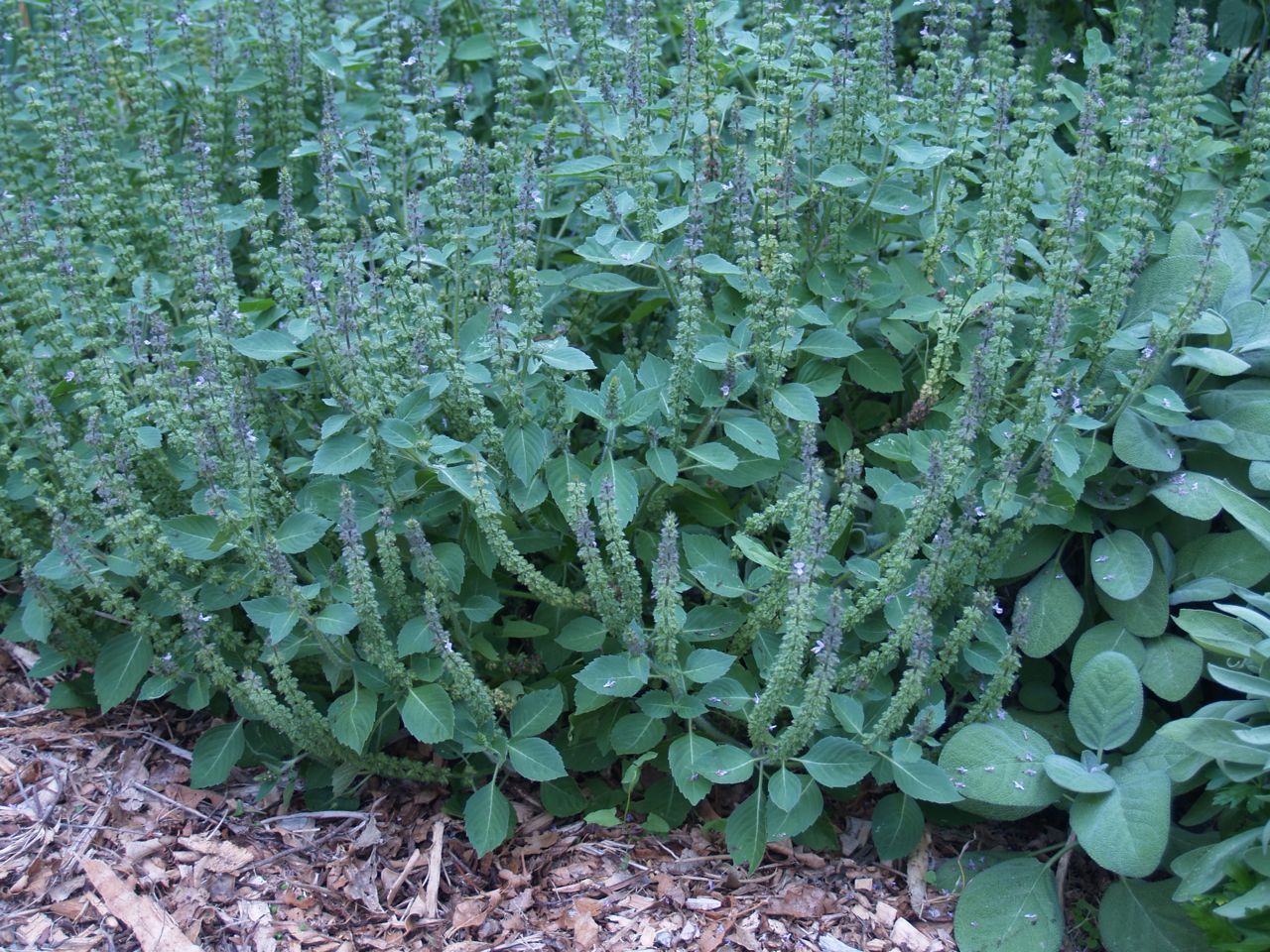
People sometimes ask me if I could grow only one medicinal herb what would it be. My answer is Holy Basil, because it has so many useful medicinal actions and it is very easy to grow. Holy Basil is one of the many herbs that help us cope with stress, but it is easier to work with than many of the others in this category like ginseng because we use its leaves instead of the root. And it makes a pleasant tea. Some of you might have already tried the popular teas made from Holy Basil, where it is often sold under its other name Tulsi.

My Holy Basil, just from one plant

Holy Basil has been demonstrated to reduce the impact of stress on the body and brain. Stress can have a serious impact on our health and contribute to diabetes, high blood pressure, immune dysfunction, and memory issues. Holy Basil has been shown to counter act some of the negative changes that happen in the brain when we are exposure to prolonged stress. Holy Basil may reduce insulin resistance and thereby help lower elevated blood sugar. It can also help decrease elevated cholesterol. Holy Basil helps fight inflammation in the body and therefore pain, partially by being a COX-2 inhibitor. Holy Basil modulates immune system activity and can be a good choice for people who get frequent infections. I like to use it during cold and flu season because it has some antiviral properties too. Finally, Holy Basil is rich in antioxidants and can help protect us from cellular damage, even from radiation.

To make Holy Basil tea from the loose leaves, put 1-2 teaspoons in a cup of water that just came off a boil. Steep for 5-10 minutes, preferably with a lid over the tea. Strain (if you didn’t use a tea ball), sweeten if desired, and enjoy this awesome wellness boosting, stress-fighting tea. Or try it iced.

And if you want to grow your own Holy Basil plant next year, I got my seeds from High Mowing Seeds sold at Ozark Natural Foods and online. I may also be selling the plant starts next spring when I do the annual plant sale for our farm.

Rainbow of Antioxidants

I often come up with the ideas for my blogs while working in my garden. This one started with a very simple thought: I love purple. I was admiring the purple cayenne we are growing this year. They have that lovely deep purple like eggplant.

Purple cayenne
Purple cayenne

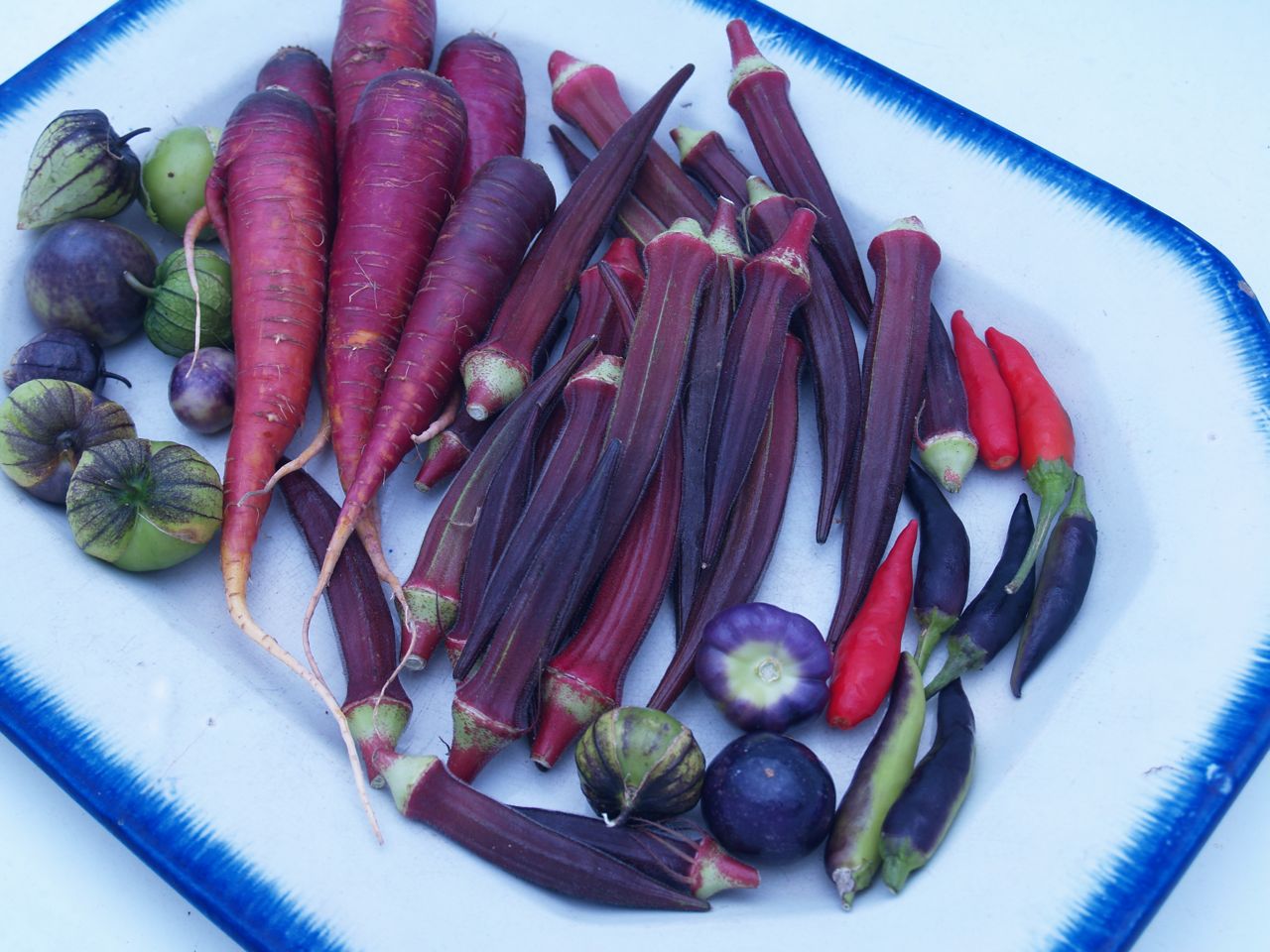
We are growing several other purple varieties in our garden this year like carrots, tomatillos, and okra. The presence of this purple color indicates that these vegetables provide a specific type of antioxidant known as anthocyanins. Other sources of anthocyanins are purple cabbage, purple potatoes, blue corn, black beans, plums, dark grapes, strawberries, raspberries, blueberries and black berries, as well as herbs like elderberry, hawthorn, and acai. Anthocyanins are considered to be one of the best antioxidants for protecting our brains, hearts, and blood vessels.

Our Purple Crops
Our Purple Crops

Even though purple is so enthralling, we need other colors to round out our intake of antioxidants. Leafy green veggies are a great source of chlorophyll, which can help protect our DNA from damage and aid the detoxification process. Leafy greens also hide a bunch of beta-carotene under that green. So along with carrots and other orange foods, we can eat our greens to help maintain our vision and enhance the ability of white blood cells to neutralize carcinogens. Lycopene is one of the most potent antioxidants for cancer prevention, especially prostate cancer. It is found in the pink foods: tomatoes, watermelon, and pink grapefruit.

Overall the goal is to eat a rainbow of foods so we are getting a diversity of antioxidants to protect our cells from damage and help prevent cancer.

If you want to try some of my purple okra, we are now selling it in the produce department of Ozark Natural Foods.

Wristful Thinking: Natural care for aches and sprains

Those of you who regularly read my blog might have noticed that I didn’t have one last week. That is because I sprained my wrist last Wednesday and it was still too painful and inflamed last week to type. I seem to be recovering quite well and wanted to share with you some of things I am doing to speed my healing. I am lucky because I have access to so many health resources, so I have probably done more than most people can, but others could use even a portion of my treatment. And in addition to my natural treatments, I did get x-rays of my wrist to rule out a fracture.

Arnica flower
Arnica flower

The very first thing I did after being injured was take homeopathic arnica and apply an arnica gel topically.  Arnica is useful for pain, swelling and bruising, and it is my first step for any type of injury like this. I continued to take the arnica several times a day for a few days afterwards. I also took nutrients that the body can use in the formation of connective issues such vitamin C, manganese, zinc and silica. I am also using inflammation-modulating herbs with Boswellia being the lead herb. Boswellia is actually frankincense and it inhibits inflammatory mediators in the body, while not irritating to the stomach like some over the counter pain relievers do. It is also mildly pain relieving while being thought to help preserve the cartilage in our joints. The pain was so bad the first two days I did take two of the pain pills I was prescribed, but after that I could manage the pain with herbs, appropriate activity and the following physical therapies.

In addition to supplements, I employed several different types of physical medicine. I used Enertropic Therapy  to open up the energy pathways in my body and help speed up healing. Enertropic Therapy is one of the healing modalities offered at Harrison Optimal Health in Harrison, Arkansas where I work once a week. Dr. Ali Racheotes, DC of Sports Chiropractic Acupuncture did very gentle adjustments of my wrist and the rest of me. She also used cold laser therapy on my wrist to help reduce pain. I am doing contrast hydrotherapy on my wrist since the first 24 hours. This involves soaking my hand in hot water for 3 minutes followed by a minute in cold water. This is repeated two more times ending on cold and is done once or ideally twice a day. The alternating hot and cold water pushes stagnant fluids out of the affected area and can help reduce pain and inflammation. Finally, I am doing passive range of motion exercises where I am gently moving my wrist using my other hand, but it is best to discuss with your doctor or physical therapist how and when to do these.

It has only been a little more than a week, but so far I am healing well. I can’t wait to be back to back to normal so I can do all of my regular activities like blogging, gardening, cooking and canning.

Grow Your Own

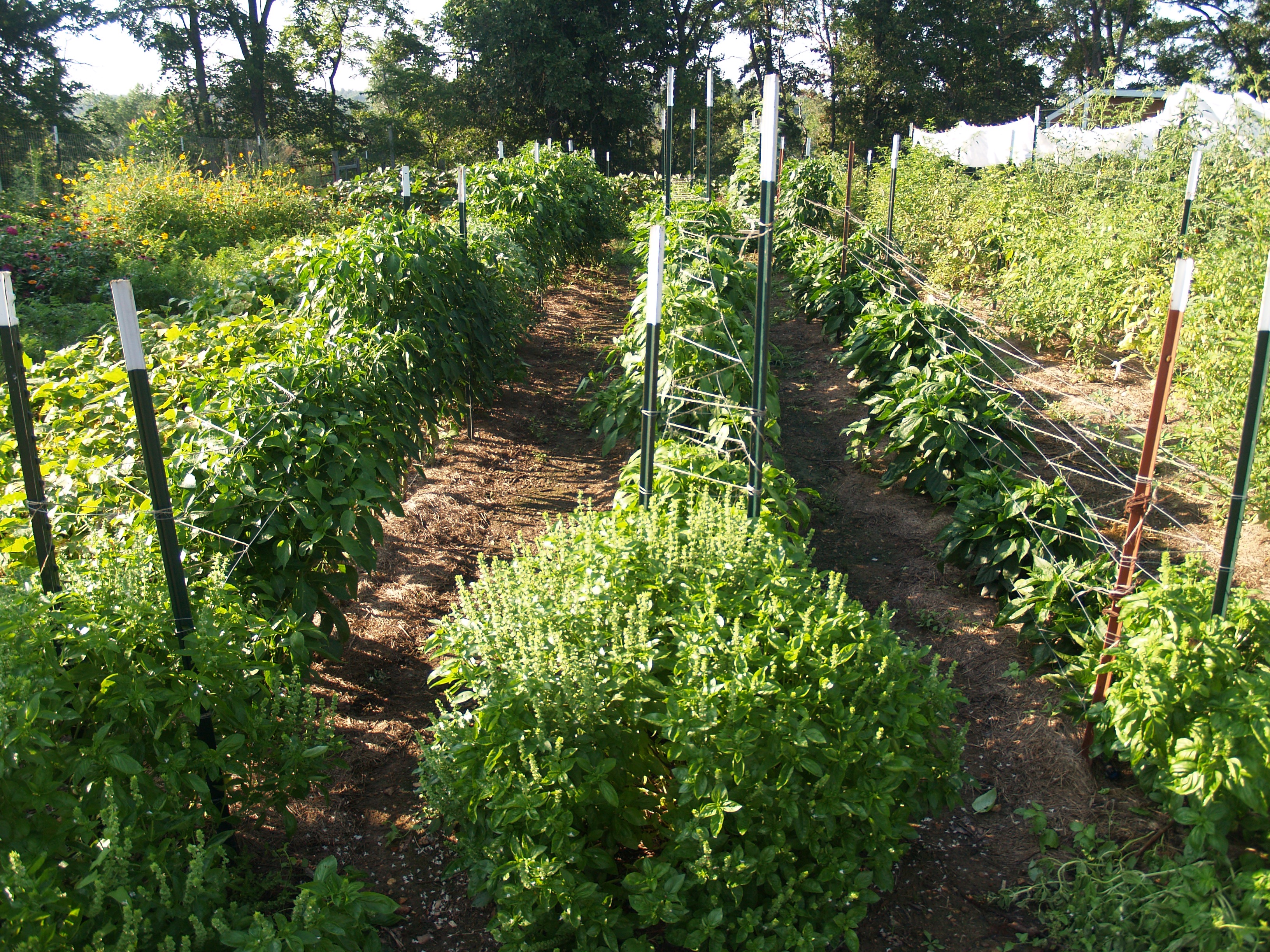
My husband and I own a minifarm, named Downstream Farm Organic Produce. We provide tomatillos and soon burgundy okra to Ozark Natural Foods and a local restaurant. But our main goal is to grow as much of our own food as we can. This year we are growing for ourselves onions, garlic, leeks, carrots, potatoes, collards, chard, cucumber, beets, sweet potatoes, tomatoes, sweet peppers, hot peppers, dried beans, blueberries, apples, and numerous herbs and flowers. We also raise our own chickens for eggs and meat, and my husband hunts and fishes. With a few of the foods we raise like onions, carrots, potatoes, and beans, some people might argue that these aren’t worth the effort to grow because it doesn’t cost much to buy them in the store. But growing our own food isn’t just about saving money. We know where our food came from and how it was grown. Overall, our efforts leave us with a sense of pride when we can look at our well-filled freezers and pantry at the end of the season.

Downstream Farm Organic Produce

Of course, very few people have the space and time to produce as much of their food as we do, but most of us can make small steps. Consider a small garden plot in your yard. I used to have a very shady yard, but I still managed to have herbs and strawberries, and leafy green veggies. A friend living in an apartment filled a small kid’s swimming pool with soil to grow some veggies. If you don’t even have a balcony, culinary herbs like parsley and thyme will grow well in a sunny window. Sprouting is another option for nearly any home as you don’t even need a sunny spot to grow a jar of sprouts any time of the year. Have alfalfa sprouts in just a few days following these simple directions (http://www.simplebites.net/how-to-grow-sprouts-at-home/). And you can experiment with many different sproutable seeds and blends that include: fenugreek, broccoli, radish, daikon, clover, lentils, and mung and other beans.

For flavor, nutrition, and satisfation, growing your own foods can’t be beat. It is not too late to get started on growing something for a fall harvest.

Calcium Controversy

There have been a few studies in recent years that have gotten a lot of press for supposedly showing that certain common supplements are harming people’s health. While it is indeed possible that we can take too much of a good thing and cause a health problem, most of these studies have been flawed or revealed flaws in how we use supplements. For instance, some studies on calcium have shown it to be correlated with increased rates of heart disease. This makes some sense because in some forms arteriosclerosis, hardening of the arteries, calcium is part of the problem. But if we are taking calcium appropriately we shouldn’t be contributing to this issue. I always make sure that people taking calcium have adequate levels of vitamin D and K. Vitamin D is necessary for adequate calcium absorption and utilization. Vitamin K places two important roles with calcium. It works to help get calcium into our bones, while also being an important component of a protein that keep calcium from being deposited in our blood vessels. Another important consideration is the calcium to magnesium ratio. If someone is taking calcium without paying attention to their magnesium intake, they might become magnesium deficient, which could contribute to heart disease. Finally, I always have my patients take their calcium with a meal because calcium taken away from meals might play a role in kidney stone formation. When calcium is taken with meals, it might help prevent a common type of kidney stones.

Nutrients work together to keep our bodies functioning properly. When we use wise combinations and appropriate doses, supplements are unlikely to harm us. Another option is to improve our calcium intake from our diet. World’s Healthiest Foods has a fabulous website that includes charts of the foods highest in certain nutrients like calcium.

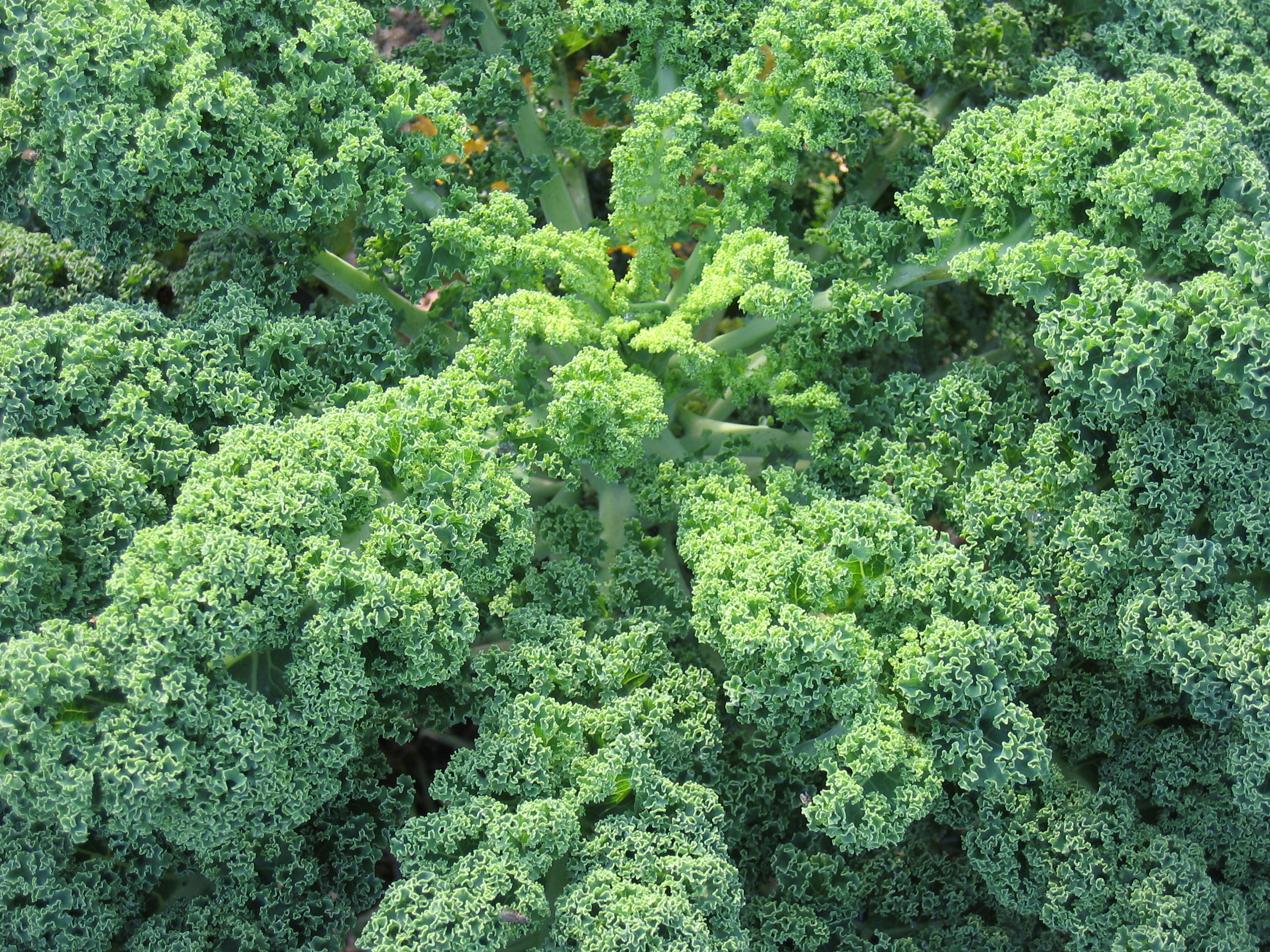
kale

The Power of Pickles

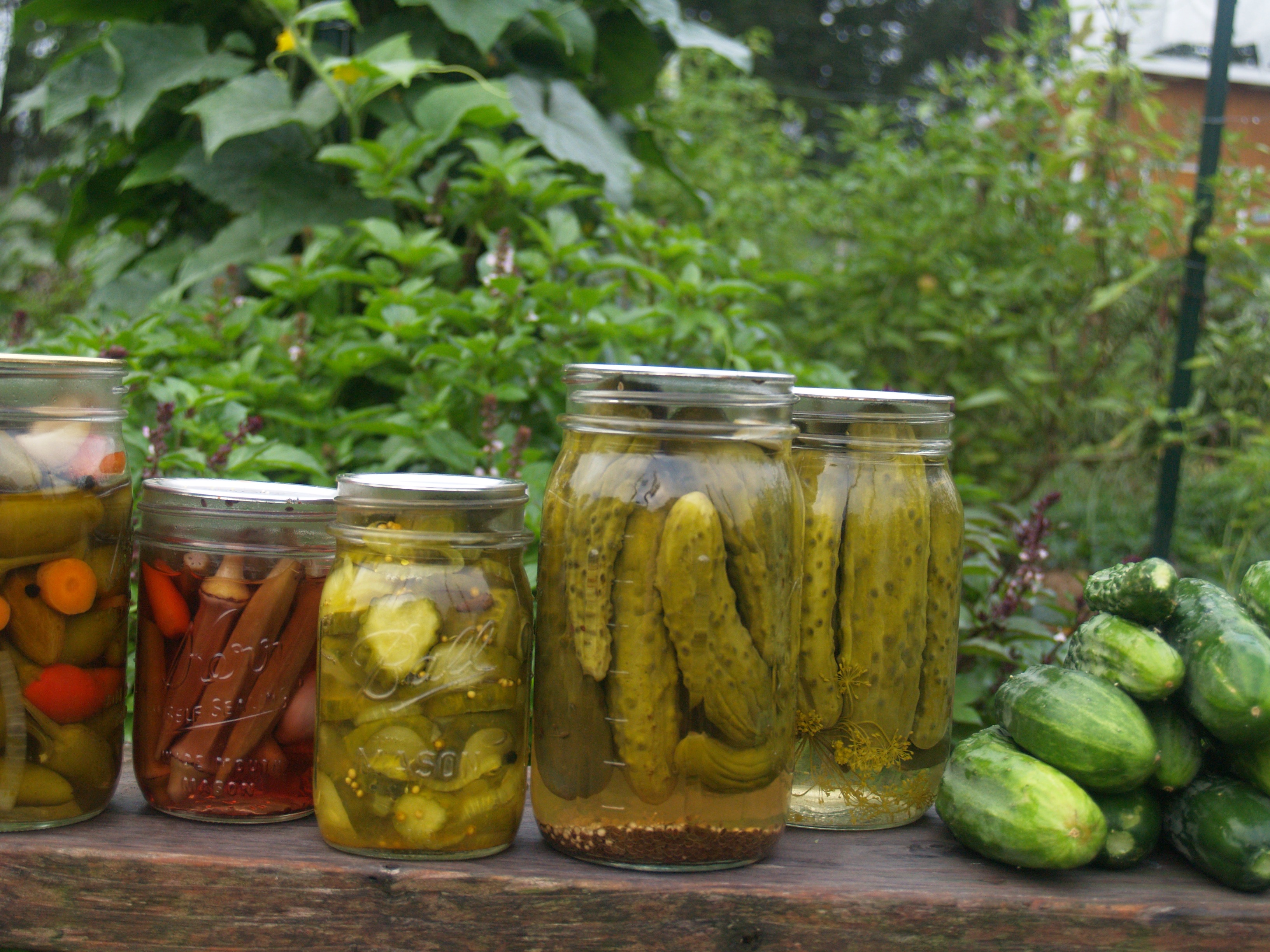
I took a vacation last week and it wasn’t a travel vacation or even a staycation. It was a preservation vacation, as in I spend quite a bit of my time harvesting and preserving food from our garden. I freeze foods and dehydrate them, but some of my favorites are the foods I pickle. I make a couple of varieties of cucumber pickles as well as pickled okra and a style of pickled jalapeno known as Jalapenos En Escabeche  that includes carrots and onions. My next project is to try this pickled tomatillo recipe.

OLYMPUS DIGITAL CAMERA


When I was child I loved pickles. I even asked for a gallon jar of pickles for my birthday one year. I used to think pickles were an unhealthy indulgence. Now I use pickles to increase my diversity of vegetables throughout the year. Other than watching that we don’t get too much salt or sugar, pickled vegetables are a healthy treat that can help stimulate our digestion. I always make sure I use real apple cider vinegar to get the benefits from it.

In additions to the basics like dill, celery, and mustard seeds, other spices that make occasional appearances in my pickles are allspice, caraway, cloves, cumin, coriander, fennel, peppercorns, and turmeric, as well as garlic and chiles. Many of these spices are also good for the digestion, by either stimulating digestion or easing indigestion. I never put alum in my pickles since it is an aluminum product, but my pickles are always crisp. I credit this to the freshness of the produce I use (from my own garden) and soaking my cucumbers in ice water for a few hours before I pack them into the jars.

Another option for preserving food is fermentation. If you want recipes of how to make your own fermented vegetables, get a copy of Nourishing Traditions by Sally Fallon or the Art of Fermentation by Sandor Katz. I made a version of the sauerkraut from Sally Fallon’s cookbook, and it was the most awesome sauerkraut I have ever had.

Taking the extra effort to preserve foods in the middle of summer’s bounty will ensure the satisfaction of a well-filled pantry throughout the year.

Here is a picture of my bountiful cucumber plants, which are doing much better this year with the additional rain we have gotten in the Ozarks.

P1011908

Vitamin D: Getting Your Right Dose

My grandfather had multiple sclerosis, which is an illness that is more prevalent in northern latitudes like South Dakota where he lived. Some researchers are investigating whether lower vitamin D levels might contribute to this trend. Data like this has increased our awareness of the need for vitamin D over the last few years. There seems to be an epidemic of vitamin D deficiency in this country especially since Americans are spending more time inside and doing a good job of using sun screen when outside. As I noted in a previous blog, exposure to toxic chemicals like pesticides might also be interfering with our ability to make vitamin D from sunlight. There is strong evidence showing that appropriate levels of vitamin D reduce falls and fractures and improve bone density. Vitamin D is also useful for helping prevent influenza and maybe even asthma attacks. Additionally, vitamin D might also help prevent some cancers and autoimmune diseases. Finally, I always make sure my patients that are taking calcium have adequate vitamin D levels. Without adequate vitamin D in the body, calcium supplements might increase heart disease, but when given together they reduced mortality by 9% in a recent study.

However, more isn’t always better. With all of the hype about vitamin D, I have seen people taking high doses for long periods of time. All medicines and supplements have optimal dose ranges: too little isn’t enough to help, but too much can cause problems. A common dose of vitamin D used to be 400 IU, but now the thinking is that this is probably too little. Likewise, regular dosing over 2000 IU might offer no additional benefit and in some cases may even diminish the desired outcome. For instance, in a study on influenza, Japanese children given vitamin D had a 64% reduction in the rate of influenza compared to placebo. But when children already taking vitamin D had more vitamin D added, their rate of the flu increased by 11%. This number wasn’t high enough to be sure it wasn’t just random fluctuations, but at the very least, it showed that more vitamin D didn’t lead to greater benefits. For Caucasian women with osteoporosis, higher doses didn’t necessarily have any negative consequences, but the increases in bone density were the same between two groups with one taking 800 IU and the other taking 6500 IU. While I sometimes recommend vitamin D testing, it is important to know that there are different optimal levels for different ethnicities. For instance, Caucasian women whose vitamin D levels less than 20 ng/ml had a significant increase in fracture risk, but African-American women whose levels were above 20 ng/ml had 45% increase in fracture risk. So while vitamin D can offer us several benefits, it is important to figure out your right dose.

Basic Herbal First Aid

During the summer, we tend to be more active, but as my legs can attest, we are also more prone to injuries like burns, cuts, bites, and poison ivy. So, here are some of the natural first aid remedies that I always keep around my house.

Arnica montana, both oral and topical, is the first thing I grab for any injury that involves bruising or swelling. When used right away it can reduce the severity of pain from sprain and bruises as well as seeming to shorten the healing time. I have also found arnica to be helpful for pain from overdoing it.

If I have a cut or scrape, I apply a salve that contains herbs like calendula and comfrey to help speed the healing of the skin. Calendula helps reduce inflammation and stimulates tissue healing while also being mildly antimicrobial. Comfrey shares most of these traits while also being soothing to the skin in a similar way to aloe. Comfrey has such a reputation for speeding up healing that it is not recommended for use on deep wounds, because it can cause the skin to heal before the underlying tissues do. Comfrey is also applied topically to relieve pain and speed healing of sprains and broken bones. If you want to learn how to make a comfrey poultice, check out these instructions from learningherbs.com.

symphytum-officinale
Comfrey


In addition to the common favorite aloe for minor burns, I usually either add a few drops of lavender essential oil to the aloe I am applying. It is correct that you are not supposed to put oil on a burn, but essential oils are not actually oils. While it has an oily texture, lavender oil evaporates quickly and therefore helps to rapidly cool the burned skin, while regular oil would trap the heat.

For insect bites and poison ivy, early application of clay can be very useful. I have been using bentonite clay but any kind will do. For the summer, you can mix up a small batch of clay using just enough water to make a thick paste and store it in the refrigerator well covered for handy access. Clay works by absorbing toxins from the skin, and I have found it to relieve the itch of poison ivy fairly quickly if I apply it for one to two hours every day for a few days. Activated charcoal can be used in a similar fashion for bites and wounds. I always have activated charcoal capsules on hand to help with issues like food poisoning too. Activated charcoal can help by absorbing some of the toxins that harmful bacteria release into our digestive tract, thereby helping to reduce the severity of symptoms.

So stocks up on some of these basic items and have fun staying well this summer.

Cooking Like a Farm Wife

Recently my husband asked me why I hadn’t made a certain dish in a while. My answer was that I was trying to cook like a farm wife by focusing on the ingredients from our farm, whereas the dish he wanted featured spinach, which I don’t have great luck growing. My husband and I run a small organic farm, Downstream Farm Organic Produce, about 8 miles west of Fayetteville on Clear Creek. We mostly grow food for ourselves and sell the extra produce to friends, restaurants, and Ozark Natural Foods.  We raise chickens and grow vegetables like okra, tomatoes, tomatillos, bell peppers, and too many others to name.

Oyster Mushrooms, Wood Ears, Coral Fungus, and Boletes. FYI, I didn't eat all of these mushroom varietes
Oyster Mushrooms, Wood Ears, Coral Fungus, and Boletes. FYI, I didn’t eat all of these mushroom varieties.

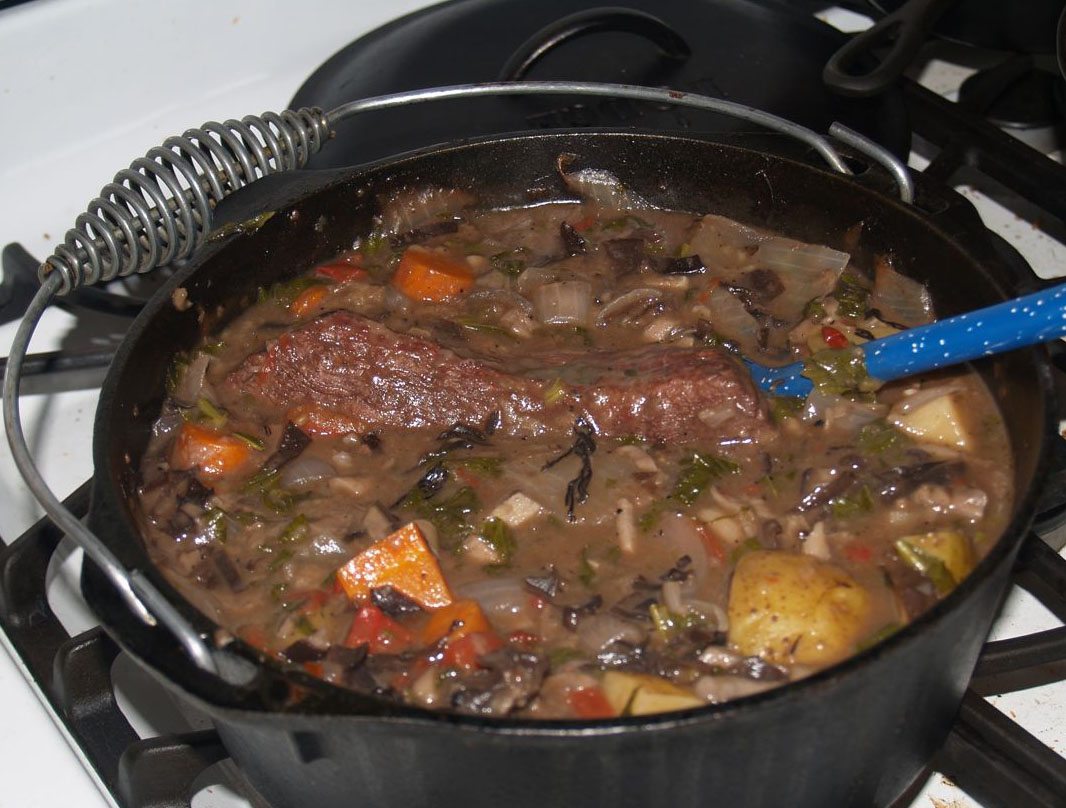
Recently, my husband found a bounty of wild mushrooms, including oyster mushrooms and wood ear mushrooms, so I made a special dish to feature them. My venison and wild mushroom stew also included our venison, radish greens, fresh herbs, and tomatoes. Not all ingredients have to be from the farm. For instance, this farm wife happened to have some red wine around. The carrots and potatoes were also from the store since we had run out of our own a few months ago.

OLYMPUS DIGITAL CAMERA


I know that everyone can’t grow as much of their food as we do, but you can still incorporate some of my thinking into your own cooking by focusing on local and seasonal ingredients. Local foods can be fresher and therefore higher in nutrients. Seasonal ingredients tend to be more affordable and often shipped shorter distances so fewer resources are used to get them to us. I try to avoid buying certain summer foods, like melons, in the middle of winter when the only ones available have been shipped from South America or even further away. And these foods aren’t necessarily appropriate for our bodies during the winter. It makes sense that we need cooling foods like melons and cucumbers in the summer and warmer, higher calorie foods in the winter. Part of my process is to be creative with substitutions. For instance, I still look at recipes to get a basic framework for a dish, but readily add or subtract vegetables and other ingredients based on what is available at that time of the year.

I also focus my cooking on nutrient dense foods, as in foods that provide a lot of our necessary vitamins and minerals per calorie. Or in the case of the wild mushrooms, add medicinal benefits to the dish. Nearly all culinary mushrooms strengthen the immune system and help reduce inflammation. Oyster mushrooms may also help lower cholesterol. Consumption of mushrooms like these may help prevent cancer, partially because of the beta-glucans they provide. Oyster mushrooms are fairly commonly available in stores, so you don’t have to find them on a log after the rain like my husband did. And you can grow your own using a mushroom kit or mushroom logs. Since some mushrooms are poisonous don’t eat wild ones unless you know them well like my husband does.

The Power of Green Tea

As well as being a wonderfully tasty beverage, green tea contains fantastic compounds that can help prevent many common health conditions. Green tea comes from the same plant as black tea, Camellia sinensis. The difference, however, is that green tea is camellia-sinensisblanched before drying, while black tea is allowed to oxidize, effectively converting many of the beneficial catechins into astringent tannins. In part because of these catechins, like EGCG, green tea is antimicrobial, astringent, antioxidant, cancer fighting, and inflammation modulating. Not only does it contain less caffeine than black tea, green tea also has theanine, a relaxation-inducing compound that can help reduce anxiety.

Just three cups a day may be helpful for the prevention of cancer and atherosclerosis. Numerous studies have shown green tea to be useful for lowering cholesterol, especially LDL cholesterol. Additionally, when combined with sensible diet and exercise, green tea may help with weight loss, especially in people with increased belly fat. Green tea’s ability to help reduce glucose and insulin could explain why it helps induce belly fat loss, as insulin resistance and elevated glucose tend to encourage weight gain in that region of the body. Regular consumption of green tea is also thought to be one of the reasons why Asian women have a consistently lower rate of breast cancer. Furthermore, if you swish it around your mouth before swallowing, green tea can help stop gingivitis.

To prepare, you need only to steep your green tea for one minute to extract these incredible compounds, but feel free to steep it longer if you prefer a stronger, more bitter flavor.  During these hot Arkansas summers, green tea also makes a refreshing iced tea that can help beat the heat. To give you another way to enjoy green tea this summer, our bulk herbs department has added a delicious raspberry flavored green tea.

If you wish to read Dr. Michael Greger’s other ideas on why there are lower rates of breast cancer in Asian demographics, check out his recent post.