Pomegranate to Protect the Prostate

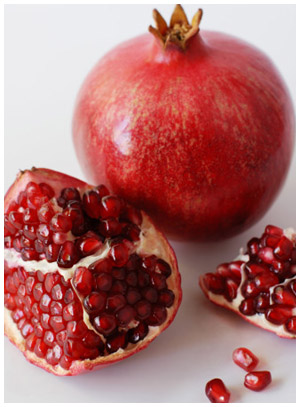
This blog was inspired by a recent talk I presented on nutrition for a local prostate cancer support group. As well as talking about other dietary basics, I brought a jar of pure pomegranate juice for them to try, being inspired by some recent research on pomegranates for prostate cancer prevention. Compounds in pomegranate have been shown to inhibit the growth of prostate cancer in animal studies, even hormone-dependent cancer cells. Pomegranate extracts also reduced the ability of tumors to grow new blood vessels, a process that is essential to tumor’s ability to increase their food supply). In a separate study, men with recurrent prostate cancer who drank pomegranate juice had a much slower rise in prostate specific antigen (PSA), a marker of prostate cancer progression.

pomegranateIn addition to protecting the prostate, pomegranate can be a good ally in preventing heart disease, Alzheimer’s disease, and dental plaque. Best studied is pomegranate’s role in helping slow the development of atherosclerosis, the deposition of cholesterol plaques in the arteries. The consumption of pomegranate products reduces the oxidation of cholesterol, which may be one of the most important steps in the formation of atherosclerotic plaques. In fact, patients given pomegranate juice for 3 months demonstrated improved blood flow within the heart during a stress test compared to those given a placebo beverage. Pomegranate also protects the brain. Mice that were bred to have early onset Alzheimer’s disease performed better on maze tests and had decreased amyloid beta plaques in their brain when they were given pomegranate. Finally, oral use of pomegranate extract significantly decreased bacteria that contribute to dental plaque.

If you would like to read some of the other dietary advice I shared with the prostate cancer support group, you can access my handout here.

Lavender for Sleep and Anxiety

Nearly all of us suffer from occasional sleeplessness. For those who experience it more often, insomnia may be taking a serious toll on their health. In the short term, lack of sleep causes fatigue, irritability, and reduced ability to concentrate the next day. Long-term insomnia can also contribute to serious health conditions like heart disease, diabetes, depression and weight gain. Because of these serious health risks, it is important to figure out what is causing the inability to sleep, whether it is a medical condition, worry, or low blood sugar, just to name a few.

Now there is a new twist on an old favorite: lavender essential oil has long been used topically for calming and as a sleep aid. Since it can work through inhalation or absorption, many people unwind at bedtime by rubbing it on their temples or putting a few drops on their pillow. Recently, lavender essential oil became available in softgels for internal use to help with anxiety and insomnia. In a study involving over 200 participants, 77% of the people taking this new lavender product saw a reduction in anxiety or insomnia. It took up to 2 weeks for some to see the benefits for anxiety, while it was up to 4-6 weeks for consistent sleep improvements. So, this new form of lavender might be worth considering for those who find anxiety interfering with a good night’s sleep.

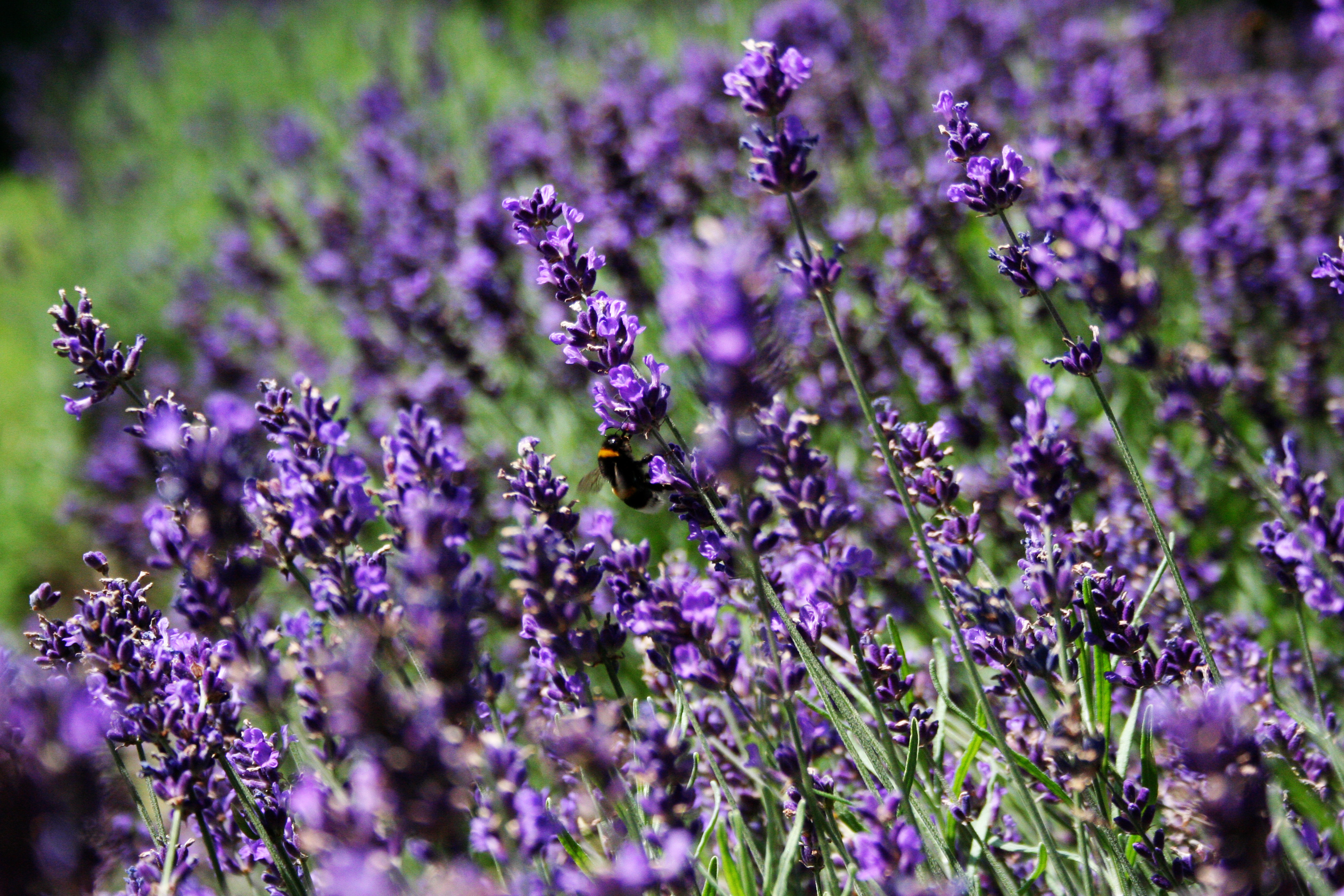
I swear that I feel a little more relaxed just enjoying this picture of lavender.

lavender


Probiotics for Women’s Health

Most of the time when I am discussing probiotics with my patients, we are talking about them in connection with their many benefits for gut health. While the formulas I recommend for gut health will often also benefit urogenital health, emerging research is showing that different organisms work better for different parts of our bodies. Some beneficial bacteria are best at colonizing the small intestines, but we should chose different ones for the mouth, colon or urogenital tract. It can even come down to a particular strain of beneficial bacteria. For instance, Lactobacillus rhamnosus GG (sold as Culturelle) has been shown to grow very well in the small intestines, but a very closely related strain Lactobacillus rhamnosus GR-1 is superior in many recent studies for colonizing the vaginal mucosa, even when taken orally. Most of these studies are using a formula that also contains Lactobacillus reuteri RC-14.

This probiotic combination of Lactobacillus rhamnosus GR-1 and L. reuteri RC-14 is featured in several recent studies on improving urogenital health in women. For instance, postmenopausal women who had been suffering from recurrent urinary tract infections took daily either a prophylactic antibiotic or these two beneficial bacteria. At the end of a year, the rate of infections had been reduced by half in both groups, demonstrating that the probiotics were just as effective as the preventative antibiotic. In a study on women with Candida infections, all women took an antifungal medication, but half of the women were given this probiotic duo and the other half received a placebo. Of the women taking the beneficial bacteria, 90% had a complete elimination of symptoms compared to 62% in the women who got the placebo pills. This increased success rate is due to the ability of these particular strains to out competing the bad organisms, partially by producing growth inhibitors against pathogenic organisms like Candida.

Fight Stress with Magnolia and Relora

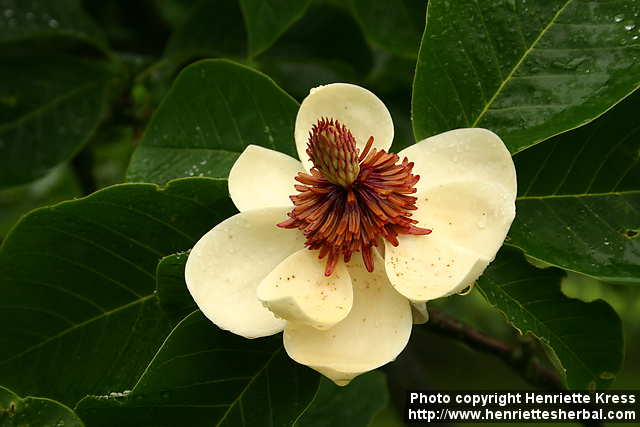
Because of the serious impact stress can have on our health, stress-reducing herbs are becoming nearly as important as a multivitamin. An example that might be right for some people is Magnolia, a relaxing herb that has been shown in studies to be effective at reducing nervousness and anxiety in 78% of participants. Magnolia was also shown to improve sleep and without side effects like withdrawal symptoms or sleepiness the next day. In fact, magnolia can help enhance cognitive function and memory, partially by helping protect the brain from inflammation and oxidative damage. Magnolia contains powerful antioxidant compounds that are being studied for possibly enhancing other anti-cancer treatments. Magnolia is also a mild anti-nauseous herb. Traditionally, magnolia has been used for low energy and emotionally related digestive problems.

Even more interesting is the research done on the combination of Magnolia and Phellodendron, sold under the name Relora. In addition to reducing anxiety and perceived stress, Relora was also shown to reduce cortisol, the stress hormone. Cortisol can become increased in some people when they are exposed to chronic stress. Elevated cortisol levels contribute to many serious health conditions like osteoporosis, diabetes, depression, low immune function, and weight gain. Though lower cortisol may not be enough to lead to weight loss by itself, higher levels of cortisol can make weight loss harder to achieve. Also, there is some evidence that lowering cortisol might reduce stress related eating. So for the appropriate person, Relora could be a boon for both weight loss and overall health.

d08_2871_magnolia-x-wieseneri

Invigorate and Protect with Cordyceps

When I added cordyceps to my morning supplements, I noticed a substantial increase in my energy levels. Other people have shared with me that taking cordyceps improved their endurance while exercising.  These experiences made me curious to investigate this medicinal mushroom further. Cordyceps falls in the category of traditional herbs known as adaptogens that increase stamina and help the body compensate for excess stress. While the only study showing it to reduce the stress response was done in rats, several human studies support the claims about endurance. During periods of exertion, cordyceps has been shown to increase the dilation of the aorta, the largest artery in the body, thereby providing improved blood flow to active muscles. In one study, 72% of long distance runners observed improved performance when using cordyceps. Another study demonstrated that older participants could work out longer before starting to build up lactic acid, a compound that contributes to muscle soreness.

Cordyceps is traditionally known as an anti-aging and rejuvenating herb. I think this claim is well supported by a multitude of research showing how it can protect our bodies from many different types of damage. Cordyceps contains antioxidant compounds that protect our cells from damaging free radicals. Several different compounds in cordyceps also show potential anti-tumor properties. Cordyceps even helps defend us against some viruses while simultaneously stimulating the immune system. Cordyceps benefits the heart by helping to reduce cholesterol and the oxidation of cholesterol, in turn reducing the deposition of cholesterol onto artery walls, which is what happens in atherosclerosis. Cordyceps was also shown to prevent damage to the kidneys from certain toxic substances. Finally, cordyceps has been traditionally regarded as a sexual tonic and libido enhancer. This claim is supported by research that shows that cordyceps can help modulate hormone production as well as improve blood flow and energy.

Cordyceps

The Scoop on Two Popular Weight Loss Supplements

Dr. Oz has really been promoting weight loss supplements on his show recently. His motivation seems to be a good one: if Americans shed some pounds it may have a big impact on our health as a nation since obesity can contribute to diabetes, heart disease, gallstones, and arthritis. Occasionally, it seems like Dr. Oz is exaggerating the usefulness of certain supplement, but two of his weight loss suggestions do seem worth taking a look at.

Green coffee bean extract is starting to gain a lot of anecdotal support for assisting weight loss, and has one small favorable study. The active component in green coffee is called chlorogenic acid, and while it is highest in green coffee beans, it is also found in other foods including apples, blueberries, and prunes. It is present in roasted coffee, but another compound produced when coffee is roasted partially inhibit the activity of chlorogenic acid. The initial small study done on green coffee bean extract showed that participants lost between 13 to 20 pounds over 12 weeks.  Another study demonstrated that green coffee bean extract slightly lowered blood pressure, whereas coffee tends to temporarily increase blood pressure because of its higher caffeine content.

Another popular weight loss supplement is African mango. In a study were participants took African mango or placebo 30 minutes before lunch and dinner, those on African mango reduced their calorie intake by 12% compared to those getting the placebo. This correlated to a 6% loss in body fat, while the placebo group only saw a 2% loss in body fat. African Mango is thought to mostly work as an appetite reducer by being a fiber source, but emerging evidence might indicate other fat burning mechanisms. Because of its fiber content, African mango is also gaining support for improving cholesterol and blood sugar. For both African mango and green coffee bean extract, larger follow-up studies are needed to confirm the initial finding, but in the meantime, these seem like safe options to try along with a weight loss program that includes improved diet and increased exercise.

Wild Cherry for Gout and Coughs

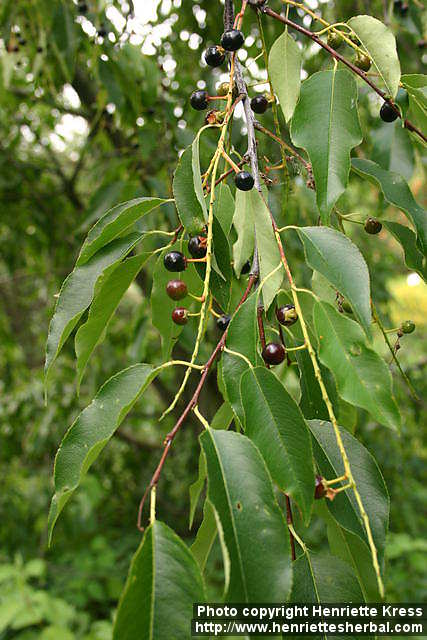
I remember spending hours during the summer as a child eating black cherries off a tree in our yard. It wasn’t until years later that I learned of the medicinal and nutritive benefits of this plant that is also known as wild cherry. The juice from the berries is a popular folk remedy for gout pain. Studies done on tart cherries confirm that they do help reduce the inflammation and pain associated with gout. Black cherries haven’t had similar studies yet, but there is enough anecdotal evidence for us to assume they have the same benefits. The black cherries are also very rich in antioxidants, especially those known as proanthocyanidins that are found in many purple foods and are gently tone to the lining of our blood vessels.

d06_1796_prunus-serotinaThe bark of wild cherry trees is a popular addition to herbal cough formulas. It is used for all types of coughs particularly those that have been going on for a while. Wild cherry bark is an anti-tussive, meaning that it reduces coughing. It may also be useful for an allergic coughs since it has been shown to mildly reduce histamine reactions in the lungs. Wild cherry bark is astringent so it tones mucus membranes such as the linings of the respiratory, digestive, and urinary tracts. Wild cherry bark is a gentle herb that is most commonly used in conjunction with other herbs to enhance it effects. It is also very safe so it is frequently seen in children’s formulas. Occasionally, the fruit is also added to the formulas to improve the taste.

Keep Calm with Skullcap

Skullcap is one of the relaxing herbs that are native to the Southeastern United States. These herbs are known as nervines, and they both calm and tone the nervous system. Because of this calming effect, skullcap is used for mild cases of anxiety. Its active components have also been shown to bind serotonin receptors in the brain, so skullcap might be a good addition for other mood issues, such as nervousness with fatigue or depression. Skullcap can also help restless sleep and improve how deeply one sleeps. For sleep, it sometimes works better to take this type of herb a few times throughout the day as well as before bed.

scutellaria-lateriflora

Skullcap can also plays a role in herbal pain formulas. It has mild analgesic and inflammation modulating properties. Because it can also dilate cerebral blood vessels, it is indicated for headaches, especially those located at the base of the brain or forehead. It is also chosen for nerve related pain, like neuralgias. Skullcap may help reduce spasms and is used for some types of tremors. Because of its anti-inflammatory benefits, skullcap is combined with astringent and antiseptic herbs for use with periodontal disease. Finally, skullcap is a digestive stimulant that is particularly chosen for nervous stomachs.

Please note that our recent dry summers have affected the availability and price of some herbs like skullcap that are mostly harvested from the wild in this part of the country.

And for those of you who are trying to figure out the secret theme of my last 15 blogs (except the one on Medicinal Kitchen Spices), here is a hint: Where do I live?

Willow Bark: Herbal Aspirin?

Many people consider willow bark to be an herbal aspirin substitute. This is true for many of its actions, but there are some differences that are important to know about. The main commonality is that willow bark has analgesic and inflammation modulating effects that make it useful for pain. Willow bark is used for headaches and body pain. Studies have even shown it to be helpful for low back pain and osteoarthritis. Willow bark also can be a good choice when dealing with influenza. Willow bark shares aspirin’s ability to help reduce fevers. It can also reduce the body pain and headache associated with the flu.

Aspirin was not originally created from willow bark, but it could have been. Aspirin was derived from meadowsweet, a plant that contains salicylates just like willow bark does. Aspirin is acetylsalicylic acid, and the addition of this acetyl group gives aspirin its blood thinning capacity. Unlike aspirin, willow bark does not reduce the stickiness of platelets or thin the blood. Otherwise, they are very similar in their actions, but willow bark is less likely to irritate the stomach compared to aspirin. The liver activates the compounds in willow bark after they have been absorbed into the blood stream, so they are not present in the gastrointestinal tract to cause irritation. Because of this activation step, willow bark doesn’t work as quickly as aspirin. But once converted to the active form, it can be effective for several hours.

P.S. There is a connection between the last 15 herbs I have blogged about recently (except the posting on Medicinal Kitchen Spices). Extra credit to anyone who can tell me what it is.

salix-alba

Detoxifying Yellow Dock

Yellow dock root is a great addition to a New Year’s detoxification plan by working gently to stimulate multiple organs involved in getting rid of toxins. Yellow dock is a mild acting laxative herb that can help with constipation or making sure the bowels are functioning well for the elimination of toxins. It is also a liver tonic herb, which helps improve vital liver functions such as neutralizing toxins. Yellow dock additionally promotes the release of bile from the gallbladder. Bile both improves the digestion of fats and carries toxins from the liver to the intestines for elimination from the body. Finally, yellow dock as a lymphatic cleanser further aids in detoxification of the tissues.

rumex-longifoliusYellow dock is particularly recommended for chronic skin issues like acne, eczema, or psoriasis, as these conditions may be reflected insufficient eliminations of toxins. Yellow dock is also considered to be a blood-building herb. The root is rich in minerals including iron, and yellow dock is said to aid in the absorption and utilization of iron. This could be due to its ability to stimulate digestion and its vitamin C content, which improves iron absorption. Yellow dock can be purchased by itself or this gentle cleansing herb is a popular addition to detoxification formulas. So whether you want to clean the body or clear the skin, search out yellow dock.