Playing in the Dirt

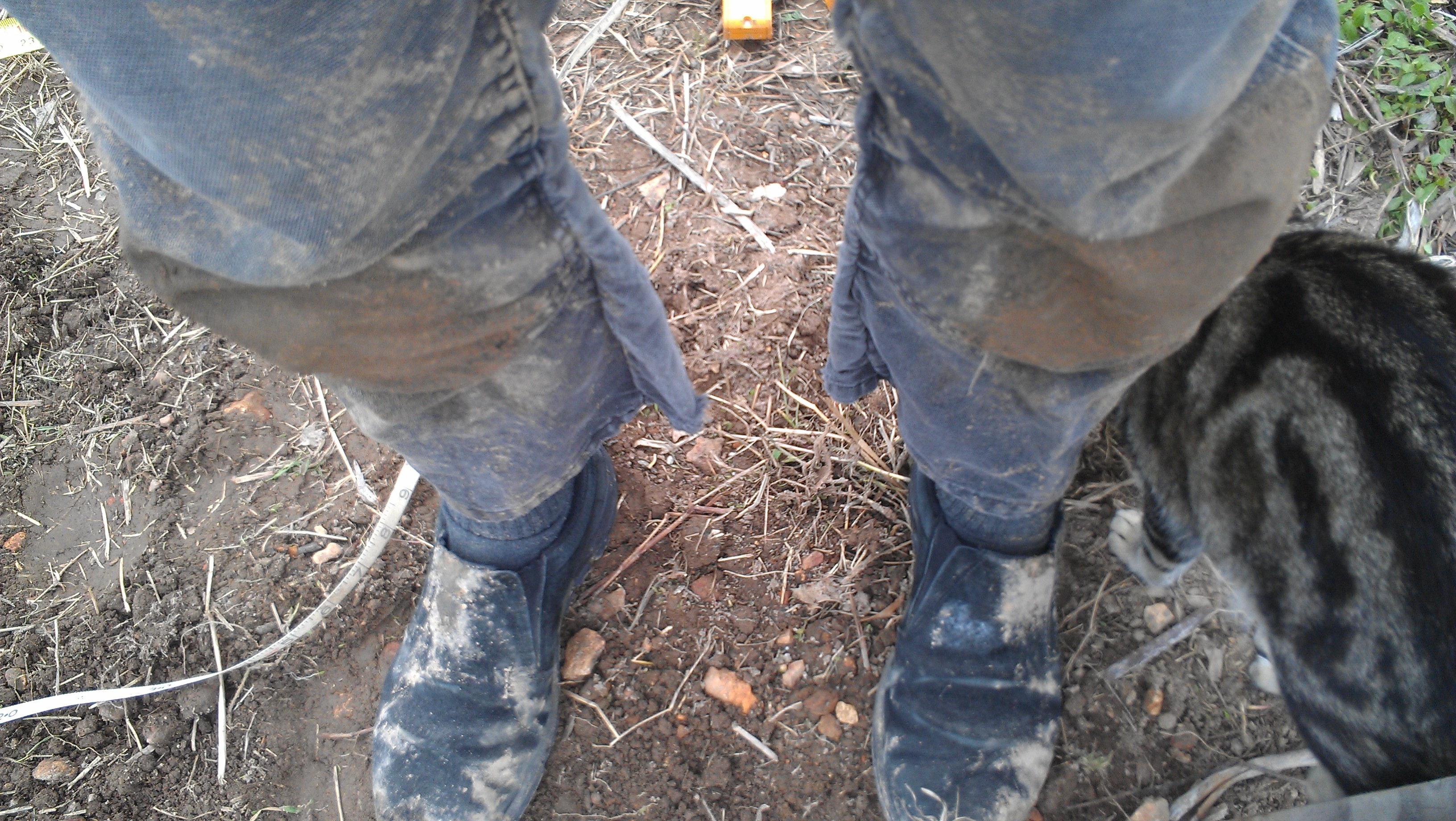
I didn’t write my usual blog last week because I took a week off to do some planting, but so far this is all I have to show for it: mud from the knees down.

Mud from knees down

My husband and I own a small organic farm called Downstream Farm Organic Produce. I was focusing on planting our red okra, which we sell at Ozark Natural Foods later in the summer. As well as growing food for ONF and local restaurants, my husband and I produce about 50% of our food. We do this to have the freshest, highest quality foods, and I find digging in the soil to be a therapeutic activity.

We keep our gardening as simple as possible so we can have time to grow the volume that we do. We amend the soil with our compost and organic nutrient from Nitron Industries. We mulch heavily and water with soaker hoses on a rotation. We weed and remove bugs mostly by hand. Mostly, our success is because we focus varieties that grow well with few pests in this region.

As well as the red okra, I find that a wide variety of peppers grow with ease here along with tomatoes, especially the Arkansas Traveler. But we round out the selection with onions, garlic, cucumbers, carrots, greens, sweet potatoes, tomatillos, dry beans, basil, and many other herbs. High Mowing Seeds have had an excellent germination rate for us in general.

IMAG0648

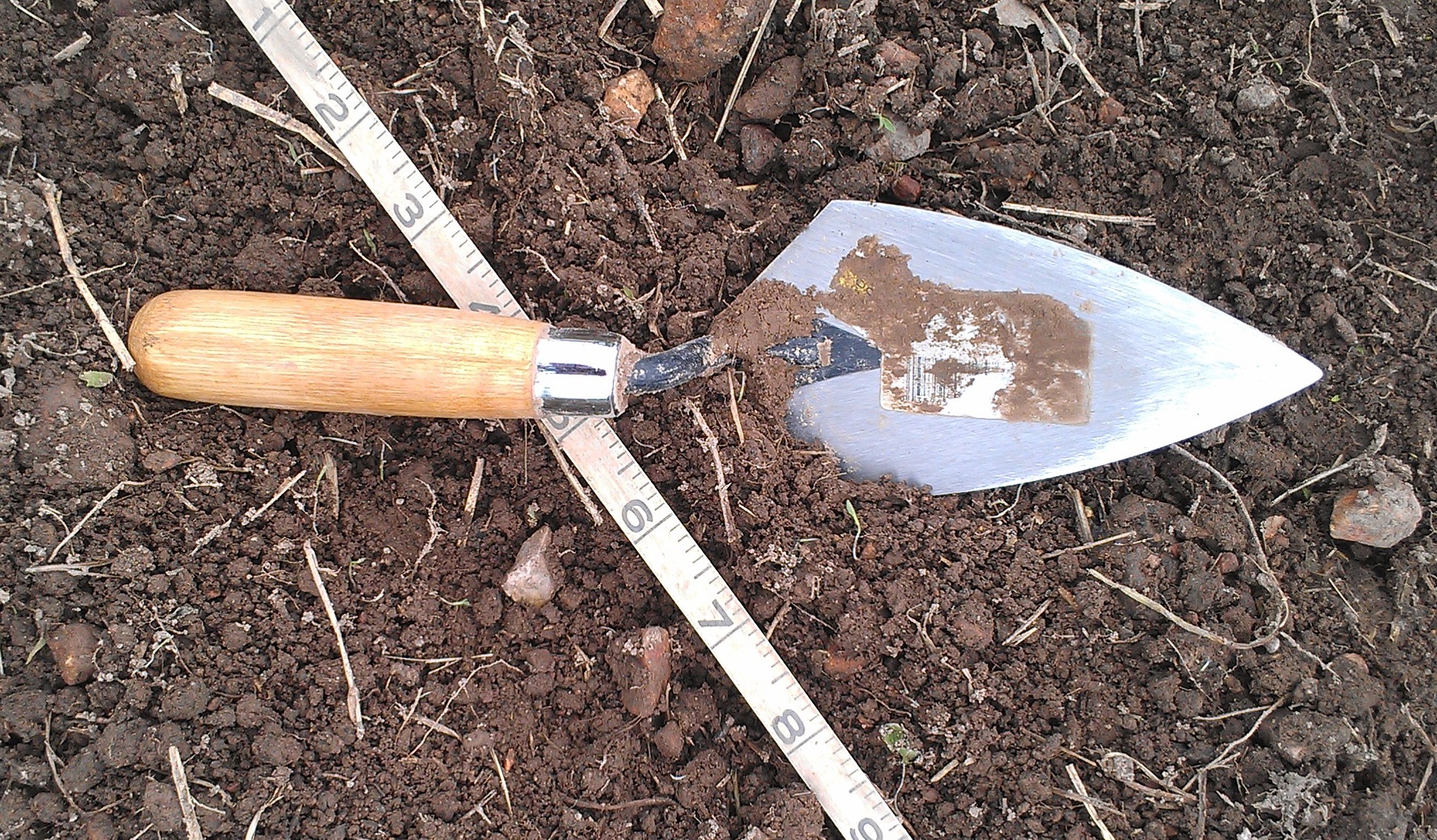
My favorite gardening tool is actually this masonry trowel. I use it for mixing in nutrients when I set in plant starts, and it is great for weeding.

Even if you aren’t going to plant rows and rows of okra like me, plant a few herb or flowers. Do what you can to play in the dirt and enjoy its calming benefits.

Nettles for Allergy Season

Like nearly everyone else in Northwest Arkansas, I suffer from seasonal allergies. Fortunately mine are pretty mild. I might wake up with a sore throat or find myself sneezing while working in the garden.

nettles

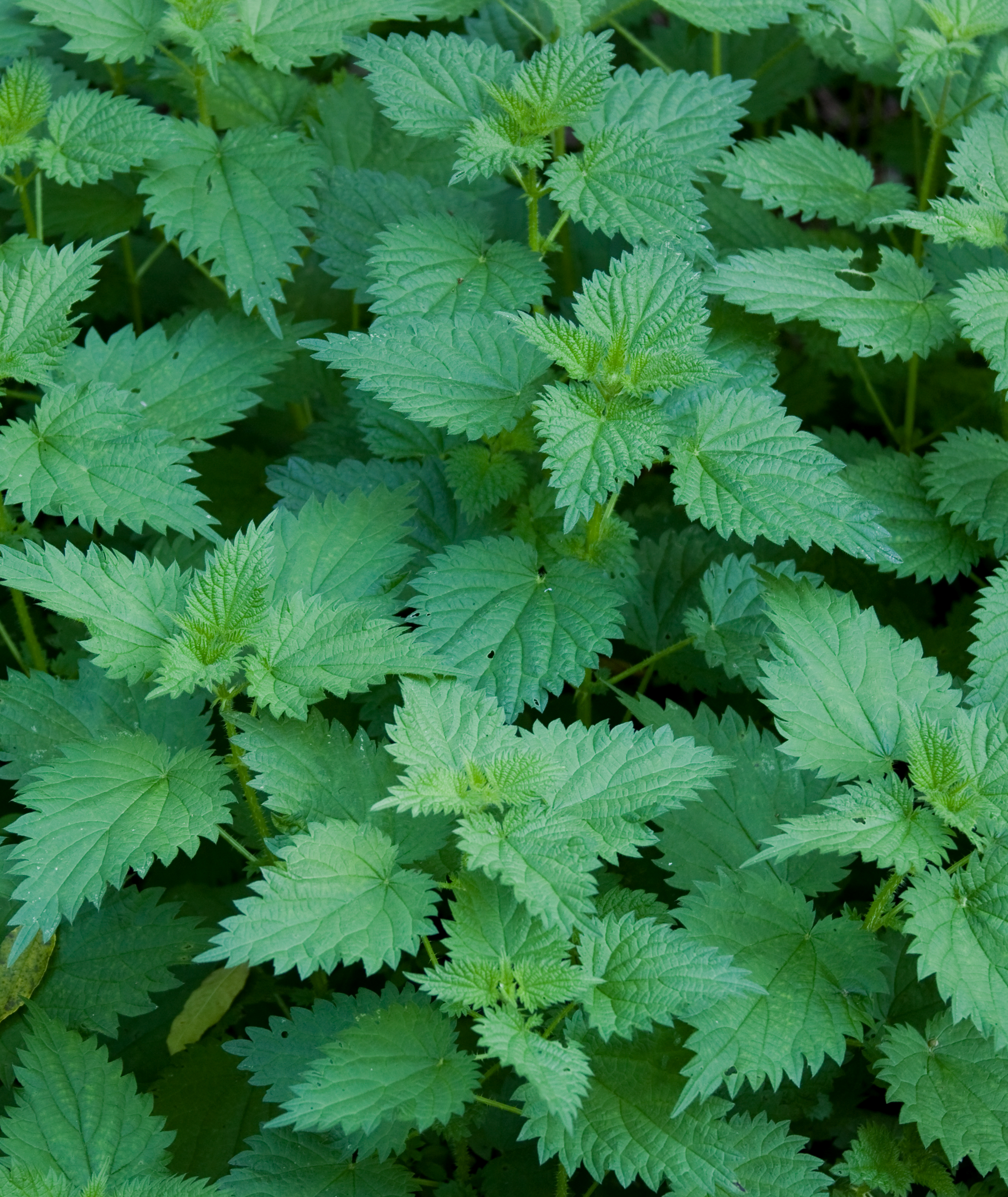
My first choice herb for seasonal allergies is nettle leaf, also know as stinging nettles. Nettles can reduce the amount of histamine our bodies release in response to whatever pollen or mold is bothering us. Nettles have also traditionally been used for their ability to reduce inflammation, which may help with allergic symptoms or other conditions like arthritis.

Nettles are also a nourishing diuretic meaning they increase urination without depleting nutrients. This is because nettles are rich in vitamins and minerals to replace any that might be lost with increased urinary output. These urinary benefits makes nettle leaf a good choice for preventing urinary tract infections and kidney stones. It should be noted that nettle root could be helpful for many prostate issues since it inhibits the conversion of testosterone to estrogen.

Because they are so nutritious, nettles can be cooked like other greens. Pick the top few tender leaves, wearing gloves to avoid the sting. When nettles are cooked, the sting is neutralized.

Clearly, it is safe to use large quantities of nettles for allergy season support since they can be eaten as a food. If nettles alone aren’t enough, I add quercetin and N-acetyl cysteine to further diminish allergy symptoms. Quercetin shares nettles antihistamine characteristics while N-acetyl cysteine helps break up mucus.

Is Methylfolate for You?

I’ve been wanting to write a blog about methylfolate for a while since the genetic variation in how we process folic acid can sometimes have a huge impact on heart, mood, and overall health. I’ve been delaying because it is not a simple topic, but here is a basic introduction to it.

Our bodies use several active forms of folic acid, one of these being methylfolate, or more scientifically 5-methyltetrahydrofolate. Methylfolate is necessary to activate B12 and make SAMe, which in turn is necessary for some detoxification processes, neurotransmitter production, and proper genetic expression. Methylfolate is also used to neutralize of homocysteine, an amino acid derivative that is possibly implicated in heart disease. B12 is also needed for this last process.

DNA image courtesy of Svilen Milev
DNA photo courtesy of Svilen Milev

Between 10-20% of the population has a genetic variation in their ability to make methylfolate. Most people with this genetic variation will still have one gene that is functional and probably make adequate methylfolate. Other people have two bad copies of the genes and will be deficient in this active form of folate.

Especially with this last case, these genetic variations can lead to very serious health conditions. These can range from common mood issues like depression to serious mental health disorders like schizophrenia and bipolar disorder. I also see these genetic differences more commonly in my patients with ADD and autism. Because of the reduced ability to neutralize toxins, people with these genetic issues can have increased rates of autoimmune disease, Alzheimer’s, and Parkinson’s disease. Another variant in this gene can lead to an increase in conditions that are caused by blood clots like heart attacks and strokes. Finally, this genetic variation can cause an increase in birth defects and miscarriages.

So the solution to this genetic issue can be simple sometimes and more complex for others. Since the eventual end product of this gene is methylfolate (or more precisely 5-methyltetrahydrofolate), we can take this as a supplement and bypass the problem. The dosage can depend on the person so I start low unless there has been adequate testing. Where this gets challenge is that this genetic variation isn’t always the only one. Taking methylfolate can help us make epinephrine, an excitatory brain chemical. For some types of depression, this can be very useful, but others have trouble breaking down epinephrine due to other genetic mutations. For these people, they can build up too much of this stimulating epinephrine and experience anxiety.

For people who are really curious about these possible genetic variations, the good news is that genetic testing in now really inexpensive. For $119, you can get a full panel from 23andme.com, which is then translated by the Sterling App. This approach can help you and your doctor better understand how to balance your supplements for your genes.

Herbal First Aid

Here come the summertime burns, cuts, bites and stings.

I recently gave a lecture on Herbal First Aid covering these topics and more. Here are the notes for everyone who couldn’t make it.
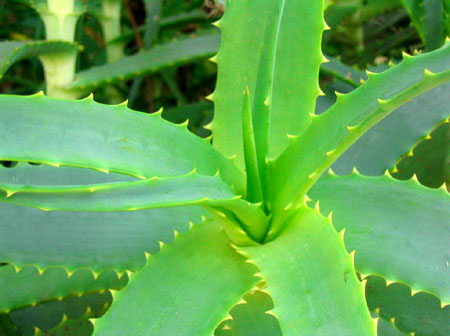
aloe-vera

Activated charcoal– draws out and absorbs toxins. Open up capsules and mix contents with a small amount of water. Leave on bites for 15-30 minutes. Can also be taken internally for bites and gastrointestinal issues such as food poisoning.

Aloe– general skin soother and healer, especially for burns. Apply topically to irritated skin or burns as often as needed. I mix a few drops of lavender oil into my aloe when using it for burns.

Arnica– great for bruises, sprains, and pain from excess activity. Take arnica pellets orally and apply arnica gel, cream, or oil topically up to every 15 minutes for 2 hours, then up to 4 times a day.

Black walnut– antifungal activity makes it a classic Ozarks cure for ringworm. Only use the green outer hulls of the black walnuts or the tincture made from them.

Calendula cream or ointment- speeds healing of skin issues like irritation and minor scrapes and wounds. Often combined with comfrey and other healing herbs. Apply several times per day. Calendula can be also made into a tea to enhance lymphatic circulation for detoxification or immune support.

Clay– draws out toxins and cooling to the skin. I mix up ¼ cup clay with ¼ cup water and apply thickly to bug bites, poison ivy, and minor burns (after the aloe and lavender). Leave on for 20 minutes to an hour, and then wash off. I store the extra mixed up clay in a tightly sealed container in the refrigerator for the next round of bug bites.

Comfrey– soothes the skin and speeds healing of skin, sprains and broken bones. Used topically as a salve for wounds or a comfrey poultice for sprains and bones. Not recommended for use on deep wounds, because it can cause the skin to heal before the underlying tissues do.

Drawing salve– homeopathic blend for boils and bites. Some people love it for acne too.

 Ozonated olive oil– speeds healing of minor wounds, rashes, burns, and bug bites. Apply topically several times a day. I find that ozonated olive oil neutralizes itchy chigger bites better than anything else for me. For minor sunburns, I apply it to after using aloe.

Plantain leaves– grind up the leaves for a quick poultice for bug bites, stings and cuts.

Potato Poultice– for skin infections. Finely grated potato and apply to thickly to infected area. Leave on for 30-60 minutes or overnight. Can add minced garlic and parsley to boost antimicrobial benefits.

Rescue Remedy– calming for stressful situations and shocks. It can help that shaken up feeling after an injury.

Tea tree oil– antimicrobial for bites and minor wounds. I mix a few drops into my herbal salve to boost the antimicrobial benefits.

How to Make a Compress:

Soak a cloth in a liquid herbal preparation such as a tea, diluted tincture or an oil, wringing it out well, then placing over the body. They are usually applied warm but can also be used cold in cases of swelling or inflammation. Leave in place for about 10 minutes and sometimes repeated with fresh liquid several times. For ease, they can be wrapped in cling film to keep in place and avoid staining clothe or furniture. In cases where a deeply warming action is needed, a towel and a hot water bottle can then be placed on top.

How to Make a Poultice:

Grind dried or fresh herbs with water and a little slippery elm powder or flour to create a paste. Spread the poultices on cotton rags and folded them into squares. Apply to skin and wrap it in bandages to hold it in place. Any remaining squares can be put in a ziploc bag with parchment paper in between and frozen to use in the days following.

Or mix powdered herbs with an equal part slippery elm powder, then add a little warm water and honey and mix into a thick paste. Spread it over the area in question and bandage in place.
Build a Better Brain with the Mineral Lithium

No, I am not crazy (or no more so than the average person), but you might describe me as very excited by the potential brain benefits of lithium. While lithium is most famous for its use in large doses for bipolar disorders, lower doses can have an impressive array of benefits for mood and long-term brain health. Lithium is a mineral just like potassium or magnesium and can be taken in doses of 5-20 mg per day. With these lower doses, there is not the concern about toxic side effects as with the prescription doses.

I first became interested in lithium because of its ability to help prevent Alzheimer’s disease and possibly other types of dementia. Lithium appears to protect against Alzheimer’s in at least three ways. It may help protect the brain against aluminum, which could be implicated in the development of Alzheimer’s. Lithium also may protect the brain against damage from excitotoxins, compounds that in excess can induce nerve damage. Monosodium glutamate is one of the best-known excitotoxins. Studies have indicated that lithium may inhibit the build up of beta-amyloid and tau proteins, the main components of the plaques and tangles that form in the brain with Alzheimer’s disease.

Even if you are not particularly at risk for developing Alzheimer’s disease, lithium may improve brain function. Lithium plays important roles in communication between cells in the brain, which is the basis of how we think and feel. It is well known that the brain tends to shrink as we age, but one small study actually showed that this mineral increased brain grey matter. Lithium might also protect the brain from numerous damaging compounds by increasing bcl-2, a protein that may improve the survival of brain cells even possibly from damage cause by a stroke. Because of these benefits, one group of researchers recommended that anyone taking medication for mood or seizure also take lithium to help protect against toxic medication side effects.

Finally, lithium can improve moodiness and irritability. Lithium influences serotonin pathways, and numerous people have noted that it has helped them feel calmer and less angry without feeling sedated. For alcoholics, lithium has been shown to reduce alcohol cravings and improve mood. These benefits combined with the potential brain protecting attributes makes lithium a mineral that could benefit many people.

Lith-Oro-5mg_100cap_40cc_jpg


Refreshing and Soothing Chickweed

Nothing says spring as much as baby chicks hatching on the farm. Every year, I think they are even cuter than last year’s chicks. In addition to the organic chick feed at Ozark Natural Feeds, I make sure my chicks get some fresh foods too. I find worms and wild plants for them to eat. They are happy with clumps of grass and wild clover, but they particularly love chickweed.

Gabbie and her brood enjoying chickweed

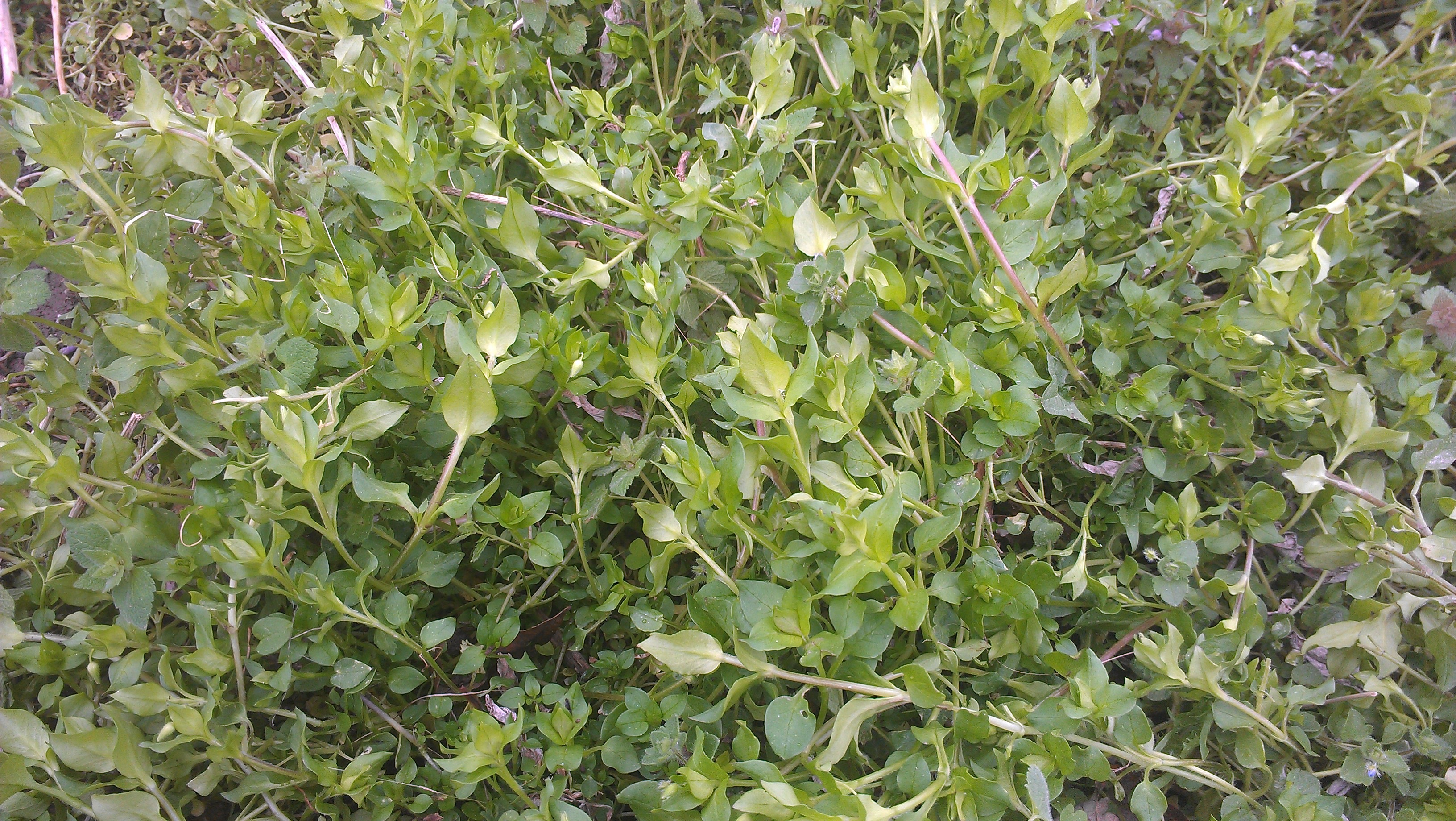
Chickweed is a common herb to find in your yard or garden at this time of the year. Look around for it because you might love it as much as my chickens do. Chickweed has a taste that might remind you of spinach, and it is a great addition to salads. Chickweed is highly nutritious and is considered to be a rejuvenating spring tonic.

Chickweed
Chickweed

In addition to being a great addition to the diet, chickweed is a medicinal herb that is used for soothing skin and mucous membranes such as the respiratory, digestive and urinary tracts. A chickweed tea can be used for coughs and hoarseness. It is also a mild diuretic that might be useful for urinary irritation. Chickweed is most famous for it topical uses since it can speed wound healing, reduce itching, and cool inflamed skin. It is used for everything from burns and cuts to eczema and hemorrhoids.

You can use the fresh plant to make a poultice by simply crushing the leaves and stalks and applying them directly to the skin. Ideally, cover this herbal concoction with a clean cloth to hold it in place. If using dried chickweed, grind it until it is nearly a powder then add enough hot water to make a paste. You can also make a healing chickweed salve for use all year long. Just in a Pinch Recipes has two recipes for chickweed salve. Their Itchy Salve recipe looks great.

More on Oil Pulling

When I first heard about oil pulling, I thought it sounded weird. I didn’t try it until my mother in law, who is a dental hygienist, told me that she had seen a patient with particularly healthy gums. When she asked that patient what she was doing to keep her gums in such good shape, the answer was oil pulling.

So now, I’ve been doing it regularly after flossing and before brushing my teeth. I use a heaping teaspoon to a tablespoon of coconut oil and swish it in my mouth for 20 minutes. I take breaks from the swishing where I am just holding the oil in my mouth. I sometimes gargle with the oil before spitting it out. Don’t spit it into your sink or you might clog your pipes.

I chose coconut oil because I like the taste of it, and coconut oil has antibacterial, antifungal and antiviral benefits. Other oils to consider using are sesame, olive, grapeseed, and sunflower. Sesame and coconut have both been shown to fight Streptococcus mutans, the main bacteria that can cause cavities. You can boost these benefits by adding a drop or two of an essential oil or essential oil blend to your main oil. Good ones to experiment with are tea tree, eucalyptus, peppermint, and oregano. Since I am putting them in mouth, I make sure to use a brand that makes high quality pure essential oils.

Fresh coconuts
Fresh coconuts

There are a lot of claims out there about the benefits of oil pulling from clearing up sinus problems to psoriasis as well as the obvious improvements in oral health. There are a number of small studies demonstrating that oil pulling can improve breath and reduce plaque and plaque-induced gingivitis. A lot of people are also reporting that their teeth are whiter from oil pulling.

Now for the other claims, we only have anecdotes to support them, but there is a possible logical underpinning. Nearly every chronic condition is driving by inflammation, whether it is heart disease or dementia or acne or psoriasis. When we have gum disease, we add another source of inflammation that fuel theses other disease process. By improving oral health, we remove part of the obstacle that is in the way of our healing.

And there might be some additional benefit from having to breath through your nose for 20 minutes. I find oil pulling to be a soothing activity.

Some of the things I have heard about oil pulling I can’t substantial. Some people claim it will cure a hangover. I haven’t done that experiment and can’t figure out how it would help but would love to hear about other people’s experiences.

I have also heard that it is better to do it in the morning. A friend of mine said that her teeth started getting whiter when she switched to doing oil pulling in the morning. If you have any ideas on why this would be the case, let me know.

Why Try Oil Pulling?

Why is oil pulling is popular right now? I think it is because it catches people’s attention because it is a little usual, but when they try it they start seeing results right away, often within a week.

1800321_10152079318388477_125849385_n

Here is a link to a story I did for the local news on oil pulling yesterday:

http://www.nwahomepage.com/fulltext-news/d/story/latest-trend-oil-pulling/12915/9zffTSRACUCCB0H7g3-9NQ

Look for a longer blog later in the week for more details on oil pulling, but in the mean time give it a try. Grab a spoonful of coconut, sesame, olive, or grapeseed oil and swish it in your mouth for 20 minutes.


Sleep Tight, Think Right: The link between insomnia and Alzheimer’s disease

I love to sleep and will sleep nine hours a night if I can. Maybe to justify this indulgence, I pay attention to research on the benefits of sleep and recent studies are showing that sleep deprivation likely contributes to Alzheimer’s disease and dementia. So maybe my eight to nine hours of sleep is more like a necessity than an indulgence.

It turns out that sleep is the brain’s cleaning cycle, according to these recent studies. We have long known that sleep helps us form new memories and that lack of sleep can decrease our ability to concentrate and learn new things. But these new studies have demonstrated that if we are chronically sleep deprived, our brains build up junk that it is correlated with dementia and some other age related memory issues. Evidently, part of the reason we sleep is so the brain can divert its energy to cleaning up the debris that results for our day of mental aerobics. In a study using mice, the sleep-deprived mice has impaired memory compared to the normal mice and their brains showed accumulation of proteins associated with Alzheimer’s disease. So if we don’t get enough sleep we are aging our brains faster and putting ourselves at risk for neurodegenerative conditions like Alzheimer’s disease. If you want to read more details on this new insight, check out this recent New York Times article.

With 80% Americans getting an insufficient amount of sleep, this increased risk for dementia has to potential to be to a serious health crisis. Some people are choosing to sleep less because they are trying to fit more into their busy lives. I have told hundreds of my patients that they need to set themselves an earlier bedtime so they can make sleep a bigger priority. I will even have them set an alarm to help them remember to start their before bed rituals so they will get to bed early enough.

Passionflower
Passionflower

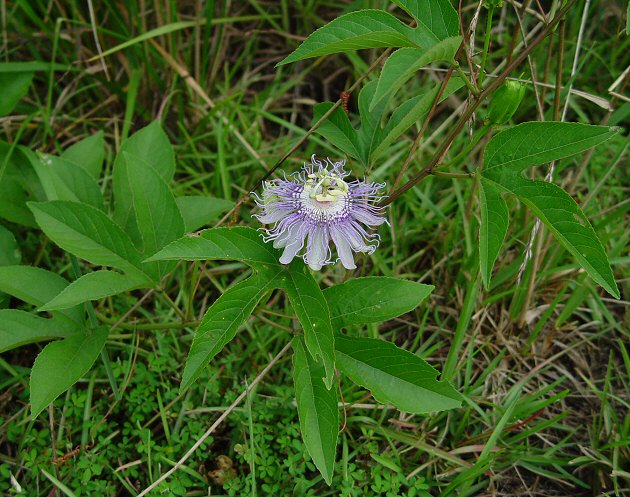
Others want to get their health restoring sleep but are suffering from insomnia. For this group, there are many natural strategies that may help. Often I have patients start by taking some magnesium at bedtime. Magnesium deficiency can contribute to sleeplessness, anxiety, depression, irritability, and muscle cramps. If this isn’t enough, I might add a calming herb like passionflower or California poppy. Others might benefit from taking the amino acid tryptophan shortly before bed to help them make more melatonin, the sleep hormone. Finally, consider a bedtime snack to keep your blood sugar steady through the night and make sure you have a very dark bedroom.

There are many other health benefits to getting a good night’s sleep. If you need more reasons, read my blogs on the connection between insomnia and blood sugar and the link between stress and sleep deprivation.

Parkinson’s Prevention: The roles of antioxidants, iron, and pesticides

I remember telling my first patient with Parkinson’s disease that she needed to move because she lived in a subdivision that was built on an old landfill. Not only was she suffering, but she also reported that an unusual number of her neighbors had cancer or other very serious diseases that may be linked to toxins. It is thought that in Parkinson’s disease the destruction of brain cells occurs partially due to oxidative damage, which is increased by toxic chemicals. The subsequent reduced ability to produce dopamine in the brain leads to the motor deficits of Parkinson’s including resting tremors, rigidity, slow movements, and shuffling gait.

While there are natural treatments that can slow and/or improve the symptoms of Parkinson’s disease, we are much better off focusing on prevention. New studies are pointing to some easy steps to help reduce the chance of getting this neurodegenerative illness. The link between exposure to pesticides and the development of Parkinson’s disease was confirmed by a 2013 meta-analysis looking at over 100 studies. It showed that the risk of Parkinson’s was increased by contact with pesticides, herbicides, and solvents. Farming in general and living in rural areas were also considered to be risks. As a small scale organic farmer as well as a naturopathic doctor, these issues particularly strike home. I recommend an emphasis on organic foods in the diet to avoid traces of pesticide residue on the food and to cut down on the number of farm workers who have to handle pesticides and herbicides.

Another common thread in Parkinson’s disease is elevated iron in the brain. Iron can contribute to oxidative damage by catalyzing the conversion of hydrogen peroxide to dangerous hydroxyl free radicals. Pesticides and other neurotoxic substances have been shown to cause increased production of hydrogen peroxide. The resulting reactive oxygen species can damage the genes, cell membranes, and mitochondria thereby reducing the ability of brain cells to function.

These findings tie together much of what we know concerning the development of Parkinson’s disease: oxidative damage, iron overload in the brain, and pesticide exposure. It also points to useful preventative strategies. Cultures that consume vegan or quasi vegan diets have lower rates of Parkinson’s disease. While this could be due to lower intake of saturated fats or higher antioxidant consumption, I suggest that this link is partially because of lower iron intake. Part of the neuroprotective effect of coffee could be related to its ability to bind iron. This would also explain why the consumption of black tea, which reduces iron absorption, is inversely associated with Parkinson’s disease risk.

Finally, just as antioxidants are an indispensable part of the treatment of Parkinson’s disease, they can also be vital for its prevention since many of the implicated pesticides and other toxic compounds are oxidative stressors. Studies have shown that patients with Parkinson’s disease have reduced antioxidant capacity, demonstrated by lower glutathione levels. Glutathione is an important antioxidant that helps neutralize toxins and heavy metals. N-acetyl cysteine and alpha lipoic acid are excellent supplement choices to help build up glutathione levels. Turmeric is known for its neuroprotective effects, and its active constituent curcumin was shown to help restore glutathione levels in a study using mice. At the same time, I encourage appropriate intake of iron to minimize buildup over time with its subsequent contribution to oxidative stress.

Even though these interventions were particularly studied for Parkinson’s disease, these basic concepts hold true for prevention of other neurological issues. Toxin burdens and decreased antioxidant status are important considerations for prevention of other neurological conditions, including some dementias like Alzheimer’s disease.  Though genetics can play a role in susceptibility to particular conditions, we can choose dietary and lifestyle choices that reduce the likelihood of these manifestations. In addition, we can also work to create a healthier planet so that there are fewer toxic chemicals in all of our lives.

Pepper Smile

And check out my blog from last year on how happy bell peppers like this one can help prevent Parkinson’s disease.