What is the Difference Between Probiotics and Prebiotics?

We have billions of microorganisms living in our guts, and having the right organisms in our bodies can have a powerful effect on our overall health. Imbalanced gut flora is common due to antibiotics, disease, stress, or diets high in meat and saturated fats. The wrong population of bacteria in our guts can contribute to digestive distress, but they can also contribute to less obvious issues. An imbalance of gut bacteria can deactivate digestive enzymes, stimulate dysfunctional immune responses, activate carcinogens, and contribute to migraines. On the other hand, beneficial bacteria help optimize digestion, stimulate immune function, improve the intestinal barrier, and prevent colonization of the gut by pathogens. In addition, they can break down certain toxins and synthesize some of our vitamins like vitamin K. Beneficial bacteria may also help prevent colon cancer by lowering intestinal pH.

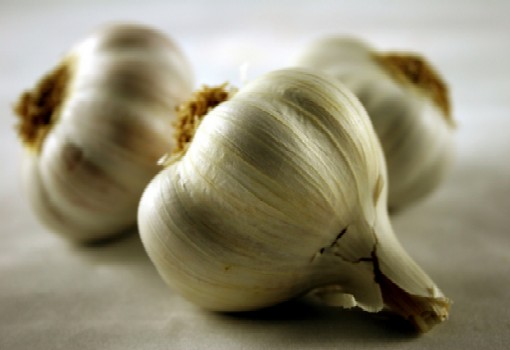
Probiotics are normal, healthy bacteria that inhabit the gastrointestinal tract. These are the organisms like the Lactobacillus and Bifidobacteria species you see in most probiotic supplements used to restore and repopulate normal intestinal flora. Some of my favorite probiotic supplements also include prebiotics. These are medium length carbohydrates that feed our good bacteria. The most common prebiotic in supplements is fructooligosaccharide, also know as FOS. Food sources of prebiotics like FOS include garlic, beans, carrots, onions, honey, beer, rye, asparagus, banana, maple sugar, oats, and my favorite Jerusalem artichoke. Eating high fiber foods is another way to support proper gut bacteria. So feed your good bacteria so they can in turn support your health.

Garlic

Save American Ginseng: Save Yourself

A new show on the History channel, Appalachian Outlaws, highlights the politics of one of this region’s most valuable herbs, American ginseng. Many of us here in the Ozarks also have a personal attachment to this medicinal plant. A good friend of mine had the ginseng patch he had nurtured for over 20 years decimated by poachers looking to make quick cash by illegally harvesting his ginseng out of season. On top of trespassing and stealing, poachers like these are endangering future ginseng harvests. There is a ginseng season, legally mandated by the state, to ensure the ginseng plants have mature seeds that can be planted in place of the roots that are harvested. My husband’s great uncle, Lloyd Brisco, taught my husband how to ethically hunt ginseng or as he called it “sang.” Since we use the roots of ginseng, the plant is killed during harvest so either the smaller roots need to be replanted or the seeds placed in the hole left by pulling the roots. Ethical wildcrafters also don’t take every single plant. Ideally, you only harvest 1 out of every 20 plants.

Lloyd Brisco geared up to hunt "sang"
Lloyd Brisco geared up to hunt “sang”

American ginseng is in such demand because it is one of the true longevity herbs. American and Korean ginseng are both known to compensate for the impact of stress on the body. They do this by modulating our cortisol levels. Ginseng can reduce elevated cortisol, which is implicated in many chronic health conditions like heart disease, diabetes, cancer, and obesity. By reducing the impact of stress, American ginseng can improve digestion and immune function. American ginseng can also help symptoms related to insufficient cortisol due to prolonged stress like fatigue and some types of depression. I find that it gives me more stamina and helps me work long days in the office and on the farm.  American ginseng is also a nootropic herb that helps enhances cognitive function and memory.

American ginseng is so monetarily valuable because it has these amazing medicinal benefits but takes a long time to grow and grows best in the wild. A lot of our American ginseng is exported to China and wholesale prices are on the rise, but people looking to make quick cash off the high demand for ginseng are putting this native treasure at risk. Local herb enthusiast, Madison Woods, has published a short book on Sustainable Ginseng available online as a paperback or ebook that can help people who want to grow wild-simulated ginseng on their own property. She also offers ginseng habit consultations where she personally helps you find the right wooded areas to plant ginseng for future harvest or preservation purposes. So let’s do what we can to protect this local jewel so we can continue to benefit from it for generations.

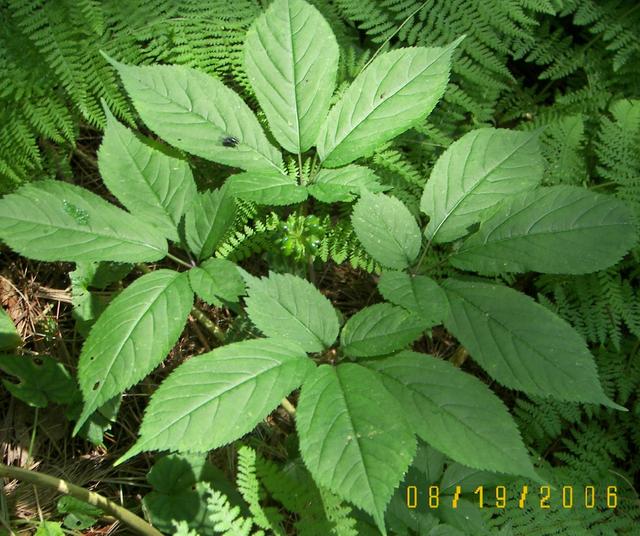
American Ginseng
American Ginseng

How to Make Elderberry Syrup

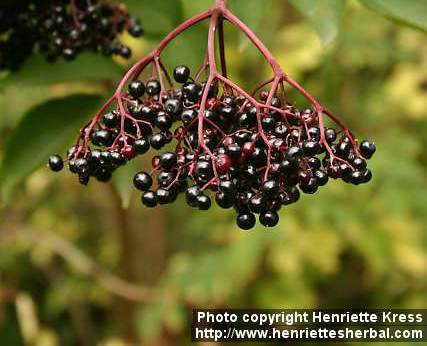
Elderberry European? cropped

Last week, I wrote about natural tips for preventing the flu. Elderberries were one of the items I highlighted because they taste delicious and are safe for nearly every age group. I have trouble getting my husband to use some of the remedies I use personally like Echinacea tincture and oregano oil, but he is happy to take elderberry syrup. Elderberries have been shown to directly reduce the rate that the influenza virus can replicate. We both notice that it seems to immediately make us feel a little better when we are fighting a cold or flu. Allergy sufferers also report that elderberry syrup eases their symptoms.

I have been making elderberry syrup for years now. I make it from either fresh or dried elderberries and various sweeteners. I don’t even normally use a recipe because you can hardly go wrong. I just taste it to see if I have sweetened and concentrated the syrup enough. For my last version, I used xylitol as the sweetener since this is a natural sugar alternative that won’t raise blood sugar and can help prevent some bacteria infections, especially ear infections. I usually make very large batches and freeze the extra so I have it on hand to defrost whenever we need it. In the summer, I will harvest the fresh elderberries and make syrup out of them right away. At this time of year, we only have dried elderberries available, so this recipe will use them. For fresh elderberries, you can cut the water in half.


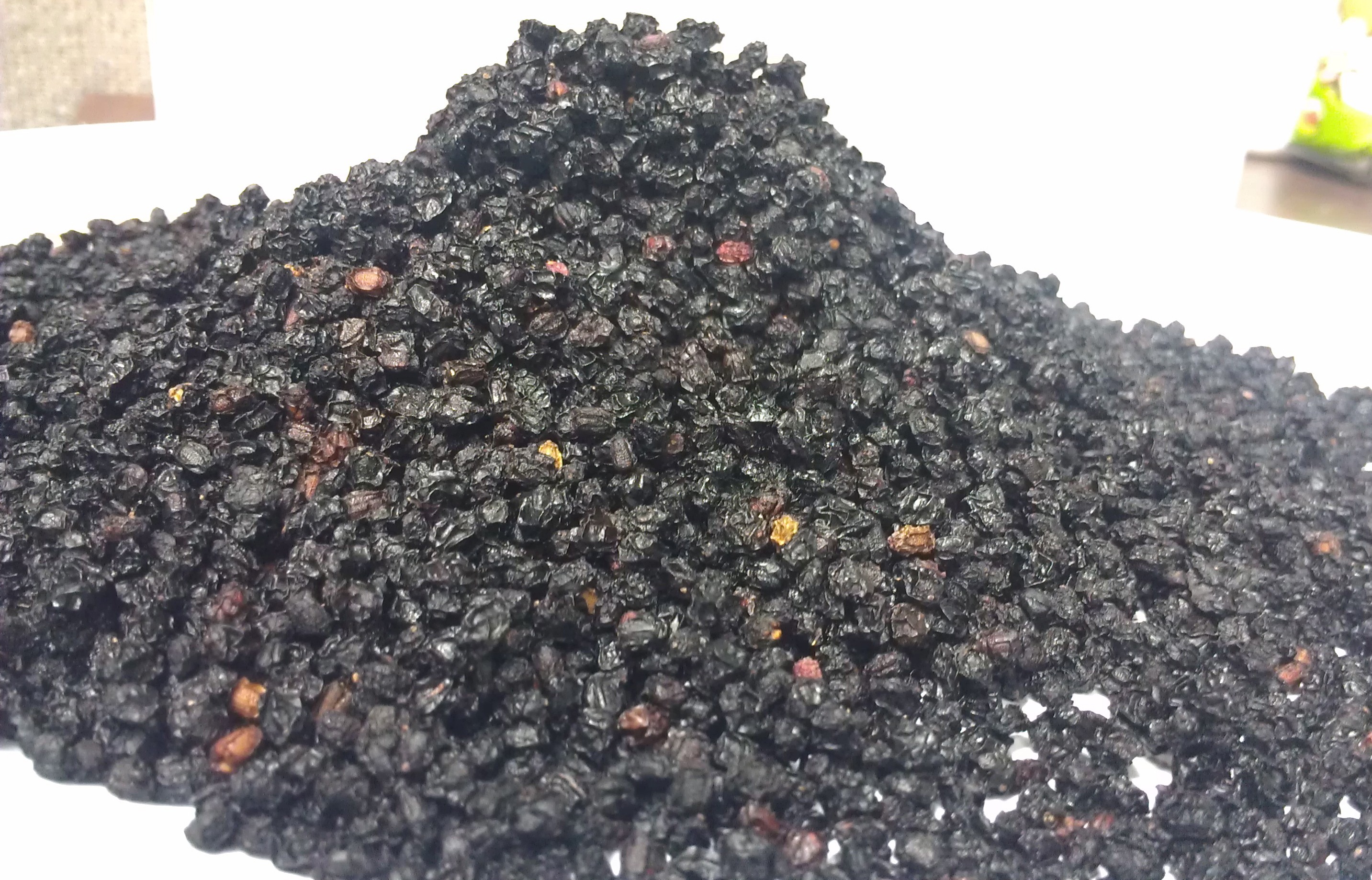
Dried Elderberries
Dried Elderberries

Simple Elderberry Syrup

½ cup dried elderberries

2-3 cups of water

¼-½ cup xylitol or sweetener of your choice

Combine ingredients in a saucepan and bring them to a boil. Simmer on low for an hour, stirring occasionally. Let it cool down enough to handle. You can strain it through a fine mesh sieve. I prefer to put to then put the berries into a jelly bag or nut milk bag so that I can squeeze the residual juice out of the berries.

(Some times I then take those berries and cook them down a separate time with more water and sweetener to get the remaining goodness out of them. This makes a less concentrated syrup, so I just label it differently so I remember to use twice as much of it.)

I take 1-2 Tablespoons up to 5-6 times a day when I am really feeling bad. For prevention, I might take it once or twice a day.

Natural Flu Prevention

This seems to be shaping up to be a particularly bad flu season. So far, nearly forty people have died of influenza here in Arkansas. My husband recently had a mild case himself, and it made me think I should share what I did to prevent myself from getting it. These interventions can also help prevent colds and other upper respiratory infections and reduce the severity of a cold or flu if you come down with one.

Astragalus
Astragalus

When the cold and flu season starts, I begin taking astragalus, which has been shown to boost the immune system especially when taken long term. That is why I start it at the beginning of flu season, so I get the full immune benefits. But it is worth starting at anytime since astragalus also has a mild antiviral activity. Astragalus also helps with the body compensate for stress and reduces cortisol, which has been shown to suppress immune function. In addition, astragalus can help increase stamina. Because of this combination of immune and energy benefits, I choose astragalus over Echinacea for the flu season. I still use Echinacea sometimes, especially if my preventative strategies haven’t been enough and I start to feel a cold or flu coming on.

Another lesser-known immune booster is larch arabinogalactan. These are polysaccharides derived from the larch tree. Polysaccharides are the immune stimulating compounds in many of the best-known immune herbs like Echinacea and aloe. In addition to supporting the immune system, larch arabinogalactan can help with inflammation and joint pain. I also like larch arabinogalactan because it is a mild tasting powder that is safe to for children.

In addition to an immune booster, I take my daily fish oil and vitamin D. Fish oil and vitamin D are again obvious choices because of their multiple health benefits. The polyunsaturated fatty acids in fish oil help with optimal immune function, while also supporting mood, fighting inflammation and helping prevent heart disease. Vitamin D has been shown in numerous studies to help reduce rates of influenza. People who are deficient in vitamin D are much more likely to get the flu. In fact, lack of vitamin D production from sunlight is possibly one of the reasons the flu season is at this time of the year. If you already have adequate vitamin D levels, taking more vitamin D isn’t necessarily helpful. In fact, excess vitamin D might slightly increase the rate of influenza.

Elderberry
Elderberry

I always keep elderberry syrup in my house, and when my husband or I start feeling sick, this what we reach for. Elderberries have been shown in test tube studies to reduce the rate of influenza virus replication. Studies have also shown it to reduce the severity and duration of flu symptoms. In one study, 87% of the people taking elderberry had nearly complete resolution of symptoms in 3 days, while only 33% of those given the placebo felt as good at that point.

There are many other herbs and supplements that I could write about to help fight the flu, but lifestyle considerations are even more important. I cannot emphasize enough how important it is to reduce stress, get adequate sleep, and allow yourself extra rest when you feel like you need it. When our stress goes up, so does our cortisol, which as I mentioned suppresses the immune system. Additionally, inadequate sleep hampers our immune system partially through causing elevated cortisol output. So get 8-9 hours of sleep a night and establish stress management techniques like deep breathing, exercise, yoga or meditation so that every day stress won’t leave you more susceptible to the flu.

Natural Pain and Fever Reducers to Replace Acetaminophen

Recently, the FDA recommended that doctors limit the amount they prescribe of acetaminophen, the active ingredient in Tylenol and some other pain reducers. They stated that taking more that 325 mg of acetaminophen per dose didn’t outweigh the added risk for damage to the liver. Liver injury has occurred in patients who took more than the prescribed amount of acetaminophen in 24 hours, took more than one product containing acetaminophen, or drank alcohol while taking acetaminophen. The harm to the liver by acetaminophen is greatly increased by alcohol, which slows down the rate that the liver can neutralize acetaminophen.

Since this is just one of the many negative reports about acetaminophen in recent years, it is time we looked for alternative to help us manage without acetaminophen or reduce the amount that is needed. We can’t necessarily take a combination of acetaminophen and non steroidal anti-inflammatory drugs (NSAIDs) like aspirin or ibuprofen, as these medications also slow down the detoxification of acetaminophen by the liver.

The two main actions of acetaminophen are to help reduce fever and pain. Some natural alternative to help reduce fevers are herbs like white willow, gotu kola, and to some a milder extent, peppermint. Additionally, we can choose herbs that induce sweating and in turn can help break a fever. These herbs are ginger, yarrow, chamomile, and hyssop. For fevers related to the flu, homeopathic remedies like belladonna, gelsemium, and oscillococcinum may also be useful.

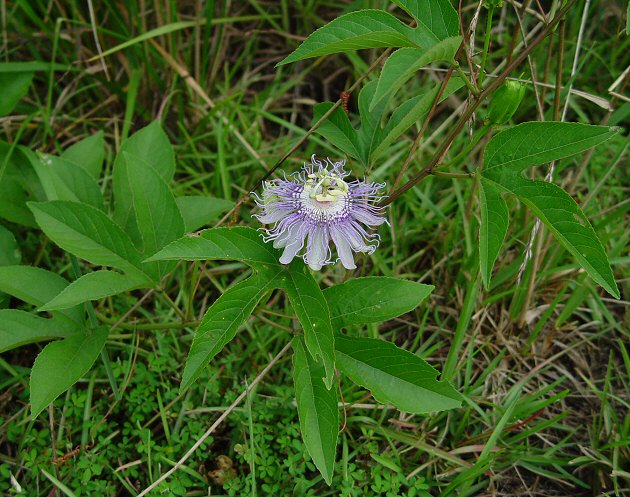
Passionflower
Passionflower

To help reduce pain naturally, there are many herbs and supplements that can be used without the harmful side effects of acetaminophen. One of my favorite supplements for pain is MSM, methylsulfonylmethane. MSM is anti-inflammatory and safe to use in large amounts. Turmeric and its active constituent curcumin is probably one of the most popular supplements for reducing inflammation and therefore pain. These are sometimes paired with DL-phenylalanine, an amino acid that supports the production of endorphins. Endorphins are the chemicals our bodies produce naturally to reduce pain and improve mood. Other herbs for pain include kava kava, valerian, California poppy, passionflower, and white willow. All of these herbs are centrally acting like acetaminophen, which means they work on the brain to slow the transmission of pain signals from the body. Dr. Oz has also recently popularized the herb Corydalis, which has this same type of action.

If natural options like these are enough to sufficiently reduce pain and moderate amounts of acetaminophen containing medications are still needed, make sure you have sufficient amounts of these nutrients that are necessary for acetaminophen breakdown: riboflavin, glutathione, selenium, zinc, and molybdenum.

Detoxification Support Part 4: Love Your Liver

Since everything works together in our bodies, it is hard to say which organs are the most important for detoxification. However, the liver is clearly one of the most crucial players in clearing harmful substances from the body, because it has the highest concentration of detoxification enzymes. People like me who tend to have skin issues often have livers that don’t work optimally. I probably inherited some genetic variations that make my liver not quite as effective at neutralizing toxins. I often see this in my patients with multiple chemical sensitivities or just higher toxic burdens that makes sense from their known exposures. Sometimes medications can inhibit liver activity. Other people have increased exposure to harmful chemicals whether through their homes or jobs. I particularly worry about people in occupations like hairdresser, carpenter, and welder, just to name a few. My last blog emphasized the importance of making sure the bowels and kidneys are working optimally, which is a crucial step before you activate the liver’s detox abilities.

Once the kidneys and bowels are efficiently carrying toxins and waste out of the body, stimulate the livers capacity to neutralize toxins using herbs and nutrients. The liver detoxifies harmful compounds in a two-phase process, which is enhanced by supplements such as high quality multivitamins, whey protein, milk thistle, and N-acetyl cysteine. Phosphatidylcholine is another supplement with this effect while additionally helping to dislodge toxins from our cell membranes. Phosphatidylcholine also encourages the flow of bile in the liver to help move toxins from the liver to the bowels for final elimination. Other herbs that stimulate the production and flow of bile in the liver are milk thistle, alfalfa, and Oregon grape root.

Milk Thistle
Milk Thistle

As I mentioned in my first blog in this series on diet to aid detoxification, certain foods give the liver an additional boost. Seasonings such as caraway, dill seeds, and lemon and lime peel are some of the most amazing liver activators since they turn on both phases of liver detoxification. Artichokes and turmeric are both liver protectors that also increase bile flow. Cruciferous vegetables like cabbage cauliflower, broccoli, and Brussels sprouts activate the phase I of liver detox while also helping us neutralize our hormones more effectively. Raspberries, strawberries, cranberries, walnuts and pecans stimulate the second phase of liver detoxification, which is often the most important phase to activate.

As all naturopathic doctors are taught, if normal interventions aren’t working adequately to restore health, treat the liver. When we remove toxins from the body, our natural healing mechanisms can start to work more effectively. So love you liver and live healthier.

Detoxification Support Part 3: Kidneys and Bowels

I work hard at reducing my exposure to toxic substances. I eat clean organic food, drink filtered water, and use all natural body care products and household cleaners. But I know that despite my efforts, toxins are so prevalent in the modern world that my body still has a toxin burden. This is why we need a plan to get toxins out of the body on a regular basis to keep them from interfering with our health. Many chronic conditions can be caused or made worse by toxic exposures. Even weight gain has been associated with certain toxins that are being categorized as obesogens, chemicals in the environment that are altering our metabolism. This doesn’t mean that detoxification by itself can cause weight loss of more than a few pounds, but it can remove a potential obstacle so that proper diet and exercise are more likely to work.

When beginning a detoxification plan, the most important step is to make sure the kidneys are bowels are working optimally. Adequate fiber is crucial for both bowel health and for binding toxins. Eating high fiber foods and taking additional supplemental fiber can reduce the absorption of both ingested toxins and those recently neutralized by the liver. Additionally, take probiotics because these friendly bacteria out compete bad bacteria, which are known to reactivate already neutralized toxins. Additionally, bowel-cleansing herbs are sometimes added to speed up elimination. These range from mildly laxative herbs like burdock to stronger laxatives like cascara sagrada.

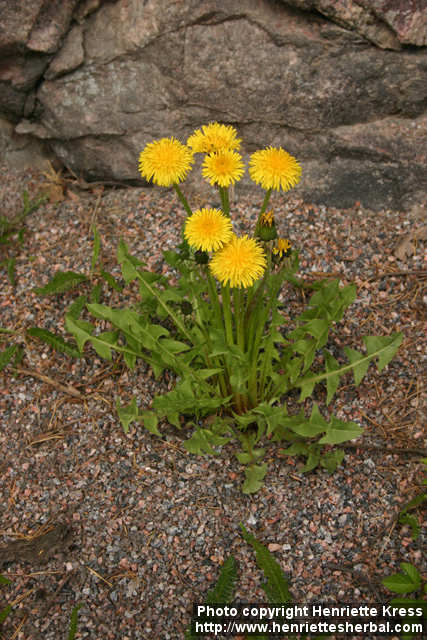
To support kidney function, emphasizetaraxacum-officinale-14 water intake and use nourishing diuretic herbs like nettles and/or dandelion leaves. These are known as nourishing diuretics because they provide valuable minerals like potassium while gently stimulating increased urinary flow. In the past, a urinary cleanse was done by gradually eating more juniper berries over the course of the detoxification. Juniper berries are known as a stimulating diuretic because they cause the kidneys to produce more urine by irritating them. Because of this irritation, most people find that they cannot tolerate this type of kidney cleanse. Our kidneys are probably overtaxed by toxins and food additives and might be more easily irritated. So while I do sometimes include a stimulating diuretic like parsley or juniper, I will only eat one or two juniper berries instead of the 30 that were worked up to in the past.

Stayed tuned for next week’s blog where I will discuss liver support for detoxification.

Detoxification Support Part 2: Sweating

After the holiday festivities, doing a full body cleanse can be a great way to get a new start on your health. Detoxification can also help with weight loss, thyroid issues, fatigue, joint pain, skin problems and many other chronic conditions especially if they aren’t improving with the normal interventions. Last week, I introduced this topic by discussing dietary ideas to help with detoxification.

Another essential aspect of a detoxification plan is sweating. Nearly every known toxin, including toxic metals, can be eliminated in our sweat without normally harming the skin. At this time of the year, many of us are sweating less and this can allow more toxins to build up. During the end of my time in Seattle, I was too busy to have time to exercise and the climate was too cool to cause me to sweat. When I moved to Arkansas in the middle of the summer, my sweat stank for several weeks like it never had before. These were toxins that my body hadn’t eliminated while in Seattle.

One of the best ways to detoxify by sweating is exercise. Exercise heats the body up and increases the burning of fat where many toxins are stored. Exercise also improves circulation so that the blood brings mobilized toxins closer to the skin to be excreted in the sweat.

Additionally, we can use saunas, hot baths, or in the summertime, spending time outdoors to trigger sweating. Aerobic exercise is recommended before sweating in a sauna or hot bath for all of the benefits I listed above. The heat from the sauna can then increase the normal metabolic breakdown of fat started by exercise. Always shower after sweating to wash excreted toxins off the skin since they can be reabsorbed. Another way to enhance your ability to sweat is to enjoy a diaphoretic herb that can help stimulate sweating. Hot ginger or chamomile teas are pleasant ways to do this. Also make sure you are getting adequate water and fiber to keep toxins moving out of the body afterwards.

MINOLTA DIGITAL CAMERA

Though sweating is usually safe for nearly anyone, there are a few cautions. It is very important to stay hydrated and maintain proper electrolytes just like we do during the heat of summer. Coconut water is a great option for both of these. Don’t become overheated or dehydrated. Finally, occasionally sweating can irritate rashes even though they may benefit long term from the detoxification process.

Detoxification Support Part 1: Dietary guide to aid detox

Many popular New Year’s resolutions involve being healthier, and lots of people kick this off by doing a whole body cleanse. Because we live in such a toxic world, I want to encourage these efforts by writing a series of blogs this month about detoxification support. This week I am starting with the basics: dietary changes to assist with detoxification.

While there are many different dietary approaches to detoxification, I am going to emphasize the essentials that apply to nearly everyone. Of course, some people with specific health conditions will need to modify these suggestions for themselves. The following diet promotes detoxification by minimizing toxins in, keeping the pathways of elimination free to deal with toxins leaving the body.

  • Eat regularly, three times daily with snacks as desired, so your blood sugar doesn’t drop.
  • Eat organic foods, if possible. Do not eat products that are canned, packaged or contain artificial colorings, preservatives, additives, or other chemicals.
  • Eat lots of vegetables and some fruits; try for 4-5 packed cups each day.  Veggies and fruits are full of antioxidants and fiber that are helpful in detoxification. Eat a variety of different types of veggies to get the full range of antioxidants, but especially emphasize the cruciferous vegetables like broccoli, kale, cabbage, cauliflower, Brussels sprouts, and arugula.
  • Eat less meat and dairy and more vegan proteins, such as beans, tofu, tempeh, nuts, nut butters, and seed butters.  If you eat fish (small salmon, cod, herring, sardines only) take 1000mg Chlorella with the meal; this will along with fiber reduces mercury absorption.  If you eat meat, try to eat low-fat cuts from free range grass-fed, hormone and antibiotic free animals or wild game.
  • Eat lots of fiber. It is a great detoxifier as it binds fats, hormones, chemicals, metals and other undesirables in the intestines.  Fiber is found in beans/legumes (the best!), apples, peaches, pears, berries, crunchy vegetables, and whole grains.  Eat two to three of these fiber sources at every meal.
  • Have good quality oils like extra virgin olive oil, flax, fish, walnut, or Omega 3-6-9 blends. Have at least 1 Tablespoon 1-3 times per day.
  • Support friendly bowel bacteria by eating cultured foods: miso, kim chi, real sauerkraut, kvass, and kombucha.
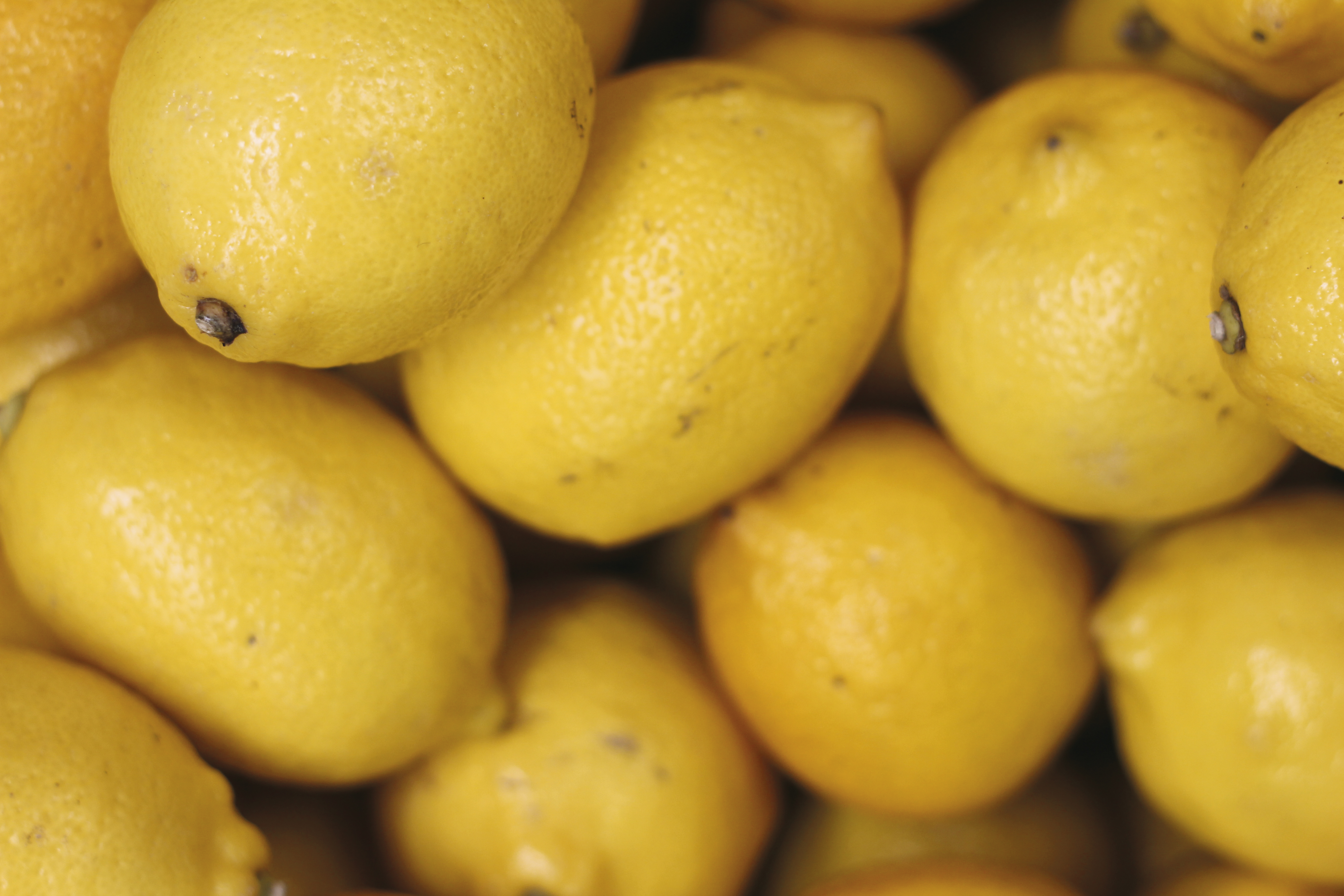
  • At least once daily, eat foods stimulating to liver function and bile flow such as lemon, 1360960_21026592lime, beet, carrot, parsnips, chlorophyll, artichoke, fresh rosemary, caraway, dill seeds, burdock and dandelion roots.
  • Have no refined or concentrated sugar, sweets, caffeine, alcohol, fried or deep-fried food.
  • Drink lots of filtered water – 2-4 quarts per day or more if you are exercising or sweating.

And remember because toxins are such a challenge for us these days, try to apply principles like these to your diet all year round.


Hydrate for the New Year

In the summer time, hydration is often on people’s mind, but when it is cold, we can forget to drink water. Staying hydrated is one the most important steps you can take for your health any time of the year. Seventy-five percent of the human body is composed of pure water. This means that in order to maintain this level of hydration, one must consume at least half of their body weight in ounces daily.

Water stabilizes the internal temperature of the body and flushes out toxins from cells and ultimately the body. It also hydrates and promotes flexibility of the joints and moisturizes the skin to help it look and feel healthy. Since blood is mostly water, dehydration can increase the risk of coronary heart disease, due to the increased viscosity of the blood. Dehydration can cause electrolyte disturbances, which can interfere with electrical conduction of the heart and nervous system. Dehydration also increases the risk of developing kidney stones.

I pay attention to my lips to help me remember to drink enough water. If my lips are starting to feel chapped, I haven’t been doing a good job of keeping up with my water intake. I still occasionally use lip balm, but if I have been drinking my water I need it less. By the way, my favorite lip balm is the EcoLips Gold. And I prefer to drink water out of glass water bottles such as those made by Lifefactory. Glass bottles provide the best tasting water and you don’t have to worry about toxic materials leaching into your water like with plastic bottles.

P.S. Staying hydrated on New Year’s Eve can help you a happier New Year’s Day, since some of the symptoms of hangover are due to dehydration.

1429036_70791322