Medicinal Kitchen Spices: Favorite Spices From Your Favorite Naturopathic Doctors

I love the fact that most of our culinary herbs and spices also have medicinal benefits. Here is a few of the most common ones used by me and my colleagues.

Dr. Laurell’s Favorite,

Thyme- it is anti-microbial and reduces coughing so it is great choice for bronchitis. You can make a tea out of it or better yet add it to a garlic broth. The tea can be used for steam inhalation. Tinctures are also available.

Dr. Laurell Matthews, NDthymus-vulgaris-6

Fayetteville, AR
nwanaturalhealth.com


Dr. Sherri is a Fan of,

Turmeric, hands down one of the most researched medicinal spices.

After sifting through all of the turmeric research earlier this year, I have made a concerted effort to incorporate this healing spice into my food and drinks on a daily basis.

Green Med founder, Sayer Ji, has reviewed over 4,000 abstracts related to turmeric and discovered over 580 researched benefits.

http://www.greenmedinfo.com/substance/turmeric

I add turmeric to smoothies, soups, rice and tea. The taste is mild and easily combines with all different flavors—experiment with it. It is best absorbed with some kind of healthy fat.

*I also take curcumin (the active component in supplement form).

Sherri Jacobs ND, CNS

Charleston SC

www.HealthECoahcing.com


Dr. Dawson Loves,

Thyme – I love the taste of thyme and have 3 types growing in my garden.  I am fortunate enough to live in a place where the thyme is green and edible all year.  This is an excellent herb for any type of viral infection, but especially coughs and colds.  I chop it up, with garlic and onions and put it over chicken or fish, mix it into soup or sprinkle on pasta or rice for a delicious, healing meal.

Rosemary – a flavorful herb that goes well with chicken, can be made into a flavorful tea, and is also nice just chewed, one sprig at a time.  Rosemary has some antibacterial properties, but it excels as a tonic to lift the spirits and clear the mind.  Try chewing rosemary before a test or exam.  Rosemary improves circulation and was traditionally used to easy headaches.

Dr. Loreen Dawson, ND

Sechelt, BC

http://www.hummingbirdclinic.ca


Dr. Couvering’s Favorite spice is,

My favorite spice (at the moment) is cayenne – it is such a wonderful topical to relieve pain, itching and achiness.  Rub a little oil on (I prefer castor oil if available, but it’s not necessary), sprinkle some cayenne on (not too much, you can burn your skin) and cover.  It works in minutes.  So far, in the last six months, I’ve recommended it successfully for chiggers, mosquito bites, arthritis, chronic knee pain, residual pain from a broken bone, and low back pain.

Anne Van Couvering, ND

annevanc@gmail.com


Dr. Keller Recommends,

My favorite kitchen spice is oregano. I use it in a variety of Mexican and Italian dishes and it adds great flavor. I also use it or the essential oil for helping heal up sinus and respiratory infections when used with a steam inhalation. It works well and is in almost everyone’s cupboard.

Dr. Melody Keller, ND

Glendive, MT

http://www.radiantnaturalhealth.info


Dr. Klassen Uses,

My favorite medicinal kitchen spice is….

Garlic. Ubiquitous, versatile, tasty, antimicrobial, easy to find.  You can use it in almost any recipe and not be obvious.

Dr. Joe Klassen, ND.

Calgary, AB.
Soothe Your Nerves with Passionflower

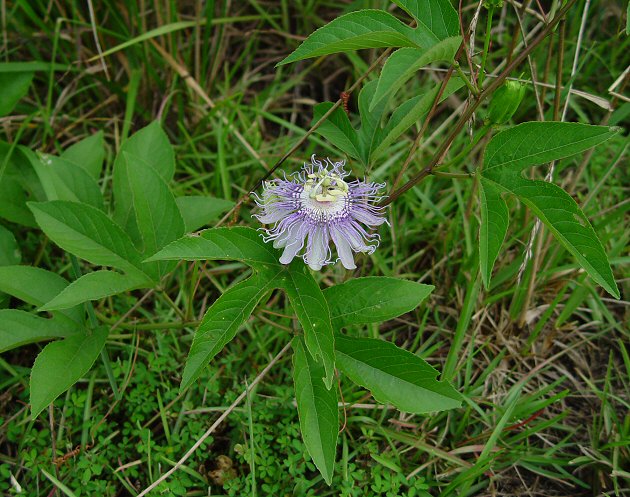
Passionflower is a relaxing herb that is native to Arkansas and other southeastern states. It is a close relative of passion fruit, but that species doesn’t have the calming action of passionflower. Even though the plant is named passionflower, we actually use the leaves of this vine before it flowers. One of the most common uses of passionflower is to ease mild cases of anxiety. Some even use it for depression associated with obsessive-compulsive tendencies or circular thinking. It is also used for insomnia, especially when the sleep issues are related to worry or overwork and exhaustion. Passionflower may also increase the quality of sleep.
The key to using passionflower is that it works best for symptoms where there is either restlessness or nerve irritation at the root of the problem. It mildly eases pain, especially nerve pain. Passionflower can also help relax muscle spasms. It has even been shown in studies to reduce the tendency for seizures. Other studies have shown the use of passionflower to ease mental symptoms associated with drug withdrawal, including nicotine and alcohol. Passionflower has also been used for heart palpitations that are related to nervousness.

Passiflora_incarnata_plant

St. John’s Wort for the Winter Blues

Though the holidays are a time of joy for many, they can be trying for some. The combination of shorter days and holiday stress can contribute to winter blahs, more technically known as seasonal affective disorder. St. John’s wort is one of the most popular herbs for mild depression, and it can also be a good choice for seasonal affective disorder. St. John’s wort has multiple actions on the brain. It increases the activity of serotonin, one of the main neurotransmitters associated with contentment. St. John’s wort additionally improves the availability of norepinephrine, a neurotransmitter that helps us feel alert and energized. Finally, St. John’s wort may reduce the production of cortisol, the stress hormone that is linked to some types of depression. Because of these amazing actions, many studies have shown St. John’s wort to be nearly as affective as some of the most common anti-depressant medications for mild to moderate depression.

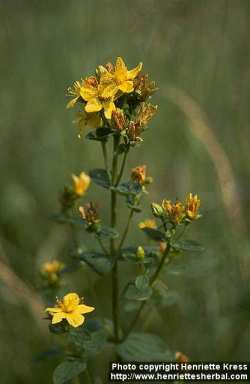
Among its hypericum-perforatumlesser-known uses, St. John’s wort may help other mood issues like anxiety. St. John’s wort might help activated the brain receptors for GABA, a calming neurotransmitter. Because of this calming action, St. John’s wort has also been used for sleep disorders like insomnia. St. John’s wort not only affects the brain, but also can benefit nerves throughout the body.  A common use is for nerve pain, especially when due to injury or from shingles. St. John’s wort has some anti-microbial benefits that particularly help it fight viruses in the herpes family to which shingles belong. But before you decide to try this helpful herb, there are a few warnings to pay attention to. St. John’s wort should be avoided by people with bipolar disorder or any other form of mania. Also, St. John’s wort may interact with some medications to make them less effective, including birth control pills. Finally, St. John’s wort shouldn’t be used with most of the anti-depressant medications because of potentially dangerous side effects.

Knowing When to Use Goldenseal

Goldenseal is probably one of the best-known herbs, but its fame has contributed to overharvesting, and it is now considered to be an at risk plant. Therefore, it is important to know what conditions goldenseal works best for and when to choose another herb. For instance, one of goldenseal’s active components, berberine, is responsible for much of its immune stimulating and antimicrobial benefits. Oregon grape root is also rich in berberine and can be used as a more ecologically sustainable substitute for many conditions such as colds. Oregon grape root also shares many of goldenseal’s gastrointestinal benefits. Both of these herbs increase the production and flow of bile from the liver and gall bladder, making them useful for improving the digestion of fats. Oregon grape root and goldenseal also can act as a mild laxative. It could be these combined properties that earned goldenseal a reputation for being a great detoxifier, but I consider this to be mostly myth.

Where goldenseal really stands out compared to other herbs is as a mucous membrane toner. Its astringent qualities make it a good choice for chronically irritated sinuses, especially if the tissues are pale. In addition to taking it internally for issues like these, goldenseal can be added to a neti pot for direct nasal irrigation. Goldenseal can also be useful for sore throats and middle ear infections, especially chronic cases. When you do choose to use goldenseal, it is important to always buy organically grown goldenseal. This is one of the few ways to ensure that native populations aren’t being further diminished.

sayre-fig-072


Strengthening Horsetail: For more than just fingernails

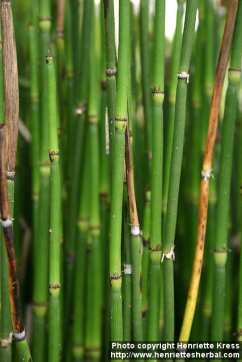
d08_3035_equisetum-hyemaleHorsetail is a silica rich herb used to support connective tissues in the body. It is probably most popular for strengthening hair and nails, but it can be used for other connective tissues in the body including skin, cartilage, and bones. Silica is found in trace amounts in the skeletal system and may help stabilize the collagen framework of bones that helps to make them strong. Recent studies have found a correlation between dietary silica intake and increased bone mineral density. Also, many herbalists recommend horsetail when people are healing from broken bones. Likewise, a folk use of horsetail is for people who lack confidence and need more backbone metaphorically.

Horsetail has lesser-known uses for the urinary tract. It is a mild diuretic that increases urinary output. As a diuretic, it is used for both urinary tract issues and edema, particularly when there is swelling due to trauma. Horsetail also helps reduce inflammation and contains antimicrobial essential oils. Therefore, it is used for conditions where there is irritation of the bladder, especially if there is increased urge to urinate. Horsetail is occasionally used for incontinence that is due to irritation. Also, it is thought that its ability to support connective tissues is most pronounced in the pelvis area. Therefore, it is sometimes considered as part of a protocol for urinary prolapse. Because of its high silica content and possible resulting tissue irritation, horsetail isn’t used for more than a month at a time. People wishing to use horsetail longer term need to take frequent breaks from using it. Finally, because of horsetail’s high silica content, people with impaired heart or kidney function should avoid using horsetail.

Echinacea for Winter Immunity

It seems like nearly everyone I know is either sick right now or just getting over a cold. This is typical for this time of year when the seasons change. One of the first herbs people think of for this season is Echinacea, and probably rightly so. Echinacea is a very well studied and is widely regarded as an immune stimulating herb. A study where participants use 1 gram of Echinacea three times a day did show increased immune function. Also, Echinacea appears to have some antibacterial, antiviral, and anti-fungal properties. For instance, one study showed that taking Echinacea for ten weeks helped prevent the recurrence of yeast infections in women.

Echinacea is probably most effective when used before you get sick or as soon as you start having symptoms. Not all of the studies have found Echinacea to be valuable for fighting colds, but nearly all of the studies that showed no benefit from Echinacea used low doses of this herb. There is also debate on how long Echinacea should be used. Many people say don’t use if for more than a few weeks, but this might be a misinterpretation of a study that showed that the immune response started dropping when Echinacea was discontinued. Still, Echinacea is generally not used for more than 2 months at a time.

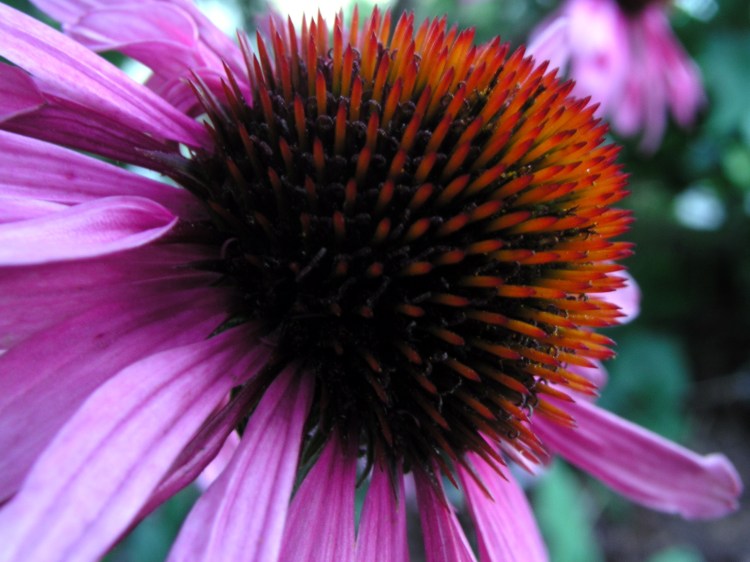
Echinacea


Hawthorn Loves Your Heart

In our fast-paced culture, we often want fast acting health solutions, but these often don’t increase our vibrancy in the long haul. On the other hand, tonic herbs work slowly by nourishing particular organs and improving their function over time. When it comes to the heart, hawthorn places such a role. It has many different actions on the heart, and while none of them are particularly strong, these actions support each other in a synergist manner to improve the functioning of the heart with long-term use. First, it nourishes the heart. By improving the flow of blood through the coronary arteries that feed the heart, hawthorn improves the delivery of nutrient to the cardiac cells. Hawthorn also contains proanthocyanidins, red-pigmented compounds that help maintain a healthy heart and arteries, by enhancing the connective tissue structure of their linings. As a calming herb, hawthorn also nourishes the heart on an emotional level. Hawthorn is especially chosen for heart issues that are connected to heartbreak in any way.

In addition to these nourishing qualities, hawthorn gently acts to help prevent some of the most worrisome heart conditions. Hawthorn mildly reduces blood pressure, partially by increasing the dilation of blood vessels. Hawthorn also slightly reduces cholesterol and may help prevent atherosclerosis. It can also be useful for people with poor circulation and low blood pressure. This is because hawthorn can slightly improve the strength of the heart’s contractions. Multiple clinical trials have even shown that hawthorn can help ease some of the symptoms of congestive heart failure. Finally, hawthorn supports the normal rhythm of the heart. Since it does all of the actions in a gentle way, hawthorn alone is often not sufficient for serious heart issues, but because of its multiple, mutually supporting actions and nourishing qualities, hawthorn can be an important contributor to cardiovascular wellness.

Uses for Shepherd’s Purse

Local midwife Maria Chowdhury makes a traditional postpartum herbal bath that is very popular with new moms. This bath from Birth Song Botanicals contains organic herbs to help speed healing of tender tissues as well as shepherd’s purse to reduce bleeding. Shepherd’s purse is named for the shape of its seedpods, which resemble the bags that shepherds used to carry in the far distant past.

Shepherd’s purse is an astringent herb used both topically and internally to reduce bleeding. Chemical analysis of shepherd’s purse shows that it has the ability to help coagulate blood. When used internally, it is most commonly used to slow excessive menstrual bleeding especially if this is associated with lack of tone in the uterus. Shepherd’s purse can actually stimulate uterine contractions, and it is thought that this increased uterine tone also contributes to reducing blood flow in appropriate cases. To increase its effectiveness at slowing bleeding, shepherd’s purse is often combined with astringent herbs like yarrow. While shepherd’s purse may be used to reduce bleeding, it is of utmost importance to determine and address the cause of any excess bleeding.

Though most used for its anti-hermorrhagic actions, shepherd’s purse has lesser-known benefits. Shepherd’s purse has a gentle diuretic action on the kidneys causing an increase in urinary output. It also has a mild antiseptic action on the urinary tract. Shepherd’s purse is also sometimes included in blends for endometriosis because of anti-inflammatory benefits. Finally, its astringent actions can make it useful for hemorrhoids and some cases of diarrhea.

And to learn more about Maria Chowdhury’s herbal product, check out her website at www.birthsongbotanicals.org

Pleurisy Root: An Ally for the Lungs

Butterfly milkweed is one of my favorite roadside wildflowers. It has another common name pleurisy root, earned from its traditional use for conditions of the lungs. Pleurisy refers to an inflammation of the lining around the lungs, as sometimes results from coughs and other disorders. Pleurisy root was traditionally used to ease this painful condition, partially because it can help reduce pain and inflammation in the lungs. Pleurisy root is also used for wet coughs that are due to upper respiratory tract infections. Pleurisy root is a stimulating expectorant, which means it helps to encourage a productive cough so mucus is more efficiently expelled from the lungs.

Pleurisy root also supports the body during infections in less direct ways. Pleurisy root is used to induce sweating during a fever. This can help break an uncomfortable fever, but for this effect it is best to take it with a hot beverage like tea. It can also be used to support suboptimal fevers, where the temperature isn’t high enough for the full immune benefit of a fever. Pleurisy root also stimulates the circulation of the lymphatic system, particularly around the lungs. This action can also contribute to a more effective immune response. For all of these pulmonary benefits, pleurisy root has earned a place in many herbal blends used for coughs and bronchitis. It is usually used in fairly low to medium doses because higher doses can cause nausea and vomiting.

Antiviral Elderberry for Colds and Flus

Whenever I have a cold or feel like one might be coming one, I reach for elderberry. Mostly, I use a syrup made from the berries, because it is a pleasant herbal remedy that always seems to revive me a little. The berries of the elderberry plant are well known for their moderately strong antiviral benefits that may work by reducing the ability of viruses to invade our cells. Though I use it for colds, elderberry has also been shown in two small studies to help relieve some of the symptoms of influenza compared to placebo. The doses used in these studies were between two to three teaspoons of the syrup multiple times a day. This matches my experience. I feel a greater boost from a larger dose of elderberry as opposed to the teaspoon many products recommend. Also, elderberry needs to be consumed often. Peak levels in the body are reached an hour after consumption and drop off quickly after that. Since elderberry is a very safe herb these fairly high frequent doses are usually not an issue.

Though my main reason to use elderberry is to help fight colds and sore throats, this isn’t the only benefit of elderberry. Elderberry has some immune stimulating attributes, but may also be an immune modulator. This means it may balance out either an overactive or underactive immune system. The berries are also very rich in antioxidants, particularly catechins similar to those in green tea. The flowers of elderberry are occasionally used in cold and flu blends since they can induce sweating and thereby help break a fever. Similarly, they can act as a diuretic and increase urinary output. A less common use of elderberry is to help with symptoms of rheumatoid arthritis, maybe mostly because of this diuretic action. Elderberry is also thought to help the nerves and has been used for neuralgia and sciatica.