Why You Might Still Feel Sick Even on a Low-Histamine Diet

It’s not always what you’re eating—it’s what your body does with it.

Maybe you’ve tried a low-histamine diet and cut out other triggers—yet still feel awful. You’re not alone. The truth is: your body’s ability to clear histamine matters just as much as what you eat.

Many folks assume they have “histamine intolerance.” Others are told that if their labs or symptoms don’t meet full Mast Cell Activation Syndrome (MCAS) criteria, nothing can be done.

Wine and cheese – high histamine foods that can trigger symptoms in sensitive individuals.
Wine and cheese – high histamine foods that can trigger symptoms in sensitive individuals. Photo by Tai Oli on Unsplash

But what if your mast cells are quietly overactive—and your histamine-clearance systems are under pressure? That’s where enzymes like DAO, HNMT, MAO, and ALDH come into play.

Your Body’s Histamine Cleanup Crew

  • DAO (Diamine Oxidase): Works in your gut lining to clear dietary histamine. When it’s low, symptoms like bloating, cramping, or diarrhea may appear—even without a full MCAS diagnosis.
  • HNMT (Histamine‑N‑Methyltransferase): Clears histamine inside cells, especially in the brain, lungs, and skin. When sluggish (often due to MTHFR variants or low SAMe), symptoms like anxiety, itching, or brain fog may surface.
  • MAO (Monoamine Oxidase): Breaks down N-methylhistamine (HNMT’s byproduct). If MAO is genetically slow or nutrient-deficient, histamine can backlog—even with good HNMT function.
  • ALDH (Aldehyde Dehydrogenase): Clears reactive histamine byproducts and acetaldehyde (from alcohol). If overwhelmed, symptoms like flushing, fatigue, or brain fog can persist.

Even mild inefficiencies in these systems often go unnoticed—until mast cells get triggered.

Why You Might Be Fine… Until You’re Not

Under normal conditions, histamine detox runs smoothly behind the scenes. But infections, stress, allergens, toxins, or hormonal shifts can suddenly cause mast cells to release a flood of histamine and other inflammatory mediators.

That’s when even subtle metabolic slowdowns can spiral into gut pain, rashes, brain fog—or full-blown histamine overload.

Not Just Histamine—Why Antihistamines Don’t Fix Everything

Mast cells don’t just release histamine. They also release tryptase, prostaglandins, leukotrienes, cytokines, and more.

OTC antihistamines only block one or two histamine receptors (H1 or H2), offering narrow relief. That’s why some people feel worse when they rely solely on antihistamines—or try the wrong supplement at the wrong time.

A Broader Natural Strategy That Might Work Better

A more nuanced, holistic approach supports your whole system:

  • Flavonoids like quercetin or luteolin: stabilize mast cells and calm mediator release—without overloading detox pathways.
  • Vitamin C, curcumin, nettle leaf: anti-inflammatory, mast cell-regulating, and gentle.
  • Adaptogens like ashwagandha or rhodiola: reduce stress-induced mast cell activation and nervous system sensitivity.

This approach helps both the root cause (mast cell reactivity) and the aftermath (histamine overload).

When to Dig Deeper

If you:

  • react to “everything” (including supplements),
  • experience unpredictable symptoms,
  • or feel dismissed because you don’t meet MCAS criteria…

…it may be time to explore more deeply:

  • Start with support for MAO and ALDH, not just DAO.
  • Work with a practitioner to pinpoint your metabolic or mast cell bottleneck.
  • Reevaluate long-term reliance on DAO-only strategies.

Conclusion: You’re Not Just Sensitive—You’re Stressed at a Cellular Level

Mast cell activation doesn’t always meet the textbook MCAS diagnosis—but it can still cause very real suffering.

Recognizing the overlap between histamine release and detox capacity opens the door to smarter, more effective support.

Your symptoms aren’t imaginary—and your healing doesn’t have to be trial and error forever.

Curious about what’s behind your symptoms? I offer virtual consultations focused on root-cause mast cell support.

Is It IBS or MCAS? The Hidden Link Between Food Reactions, Leaky Gut & Mast Cells

Do you struggle with IBS symptoms like cramping, bloating, diarrhea, or constipation—but nothing seems to help? You’re not alone. Many people with Irritable Bowel Syndrome go years without clear answers or lasting relief. But new research suggests many of these cases may be driven by a form of Mast Cell Activation Syndrome (MCAS) that affects the gut.

Let’s connect the dots on how “leaky gut” and food reactions can trigger mast cells to release excessive histamine and serotonin—contributing to pain, motility issues, and impaired nutrient absorption. Then, I will walk you through a step-by-step naturopathic protocol to help you start feeling better.

Image by Freepik

Why Mast Cells Matter in IBS

Mast cells are immune cells found throughout the body, especially in your gut lining. While they’re best known for causing allergy symptoms, they also play a major role in gut immunity and inflammation.

When mast cells encounter a trigger—such as undigested food particles, immune complex, or stress signal—they release chemical mediators like histamine, serotonin, and proteases. These substances directly affect gut nerves and muscles. In people with IBS, studies have found:

  • Increased mast cell density in the gut, especially in the ileum of the small intestine. This suggests the gut may be in a chronic, hyper-responsive state.
  • Higher levels of histamine and serotonin in the gut lining. These chemical mediators sensitize nerves and affect gut motility—making normal digestion feel painful and unpredictable.

Together, these changes create a hypersensitive gut environment where even ordinary meals can trigger uncomfortable symptoms.

How “Leaky Gut” Triggers Mast Cell Reactions

Leaky gut—also called increased intestinal permeability—means that the protective lining of your gut isn’t sealing tightly. When this barrier weakens, larger molecules like food proteins and bacterial fragments can cross into the intestinal wall, activating mast cells.

Common contributors to leaky gut include:

  • Dysbiosis or SIBO: Harmful bacteria release toxins that damage the gut lining and reduce nutrient absorption.
  • Chronic stress: Stress hormones weaken the gut barrier and directly stimulate mast cells.
  • NSAIDs & alcohol: These substances irritate the gut lining and loosen tight junctions.
  • Inflammatory foods: Refined sugars and chemical additives increase inflammation over time.

What’s more, certain food proteins can form IgG immune complexes, which bind to mast cells and trigger histamine release—even without a classic IgE allergy. This explains why people with IBS may react to foods that don’t show up on standard allergy tests.

Signs You May Have Gut-Predominant MCAS

If you have IBS plus other food reactions, it may be time to consider mast cells as the missing piece of the puzzle. Common symptoms include:

  • Cramping and bloating, especially after eating.
  • Diarrhea or constipation, or alternating between both.
  • Food “intolerances” without true IgE allergies—especially to histamine-rich foods.
  • Fatigue or brain fog, related to poor nutrient absorption and inflammation.
  • Skin rashes, headaches, or sinus issues during digestive flare-ups.

Even if your mast cell activation is mainly in the gut, it can still have whole-body effects.

My Naturopathic Protocol

Here’s a simplified, 4-phase protocol I use with patients to calm mast cells, repair the gut lining, and restore digestive balance. Always work with your naturopathic doctor to tailor this to your needs.

PhaseGoalKey Interventions
1. RemoveEliminate common triggers• Try a 4–6 week elimination diet: Remove high-histamine foods (ex. fermented foods, aged cheese, cured meats) and common IgG-reactive foods (like gluten and dairy).
• Stop using NSAIDs, alcohol, and processed additives.
2. RepairHeal the gut liningL-Glutamine (2–5 g BID): Repairs tight junctions and supports microvilli.
Zinc Carnosine (75 mg daily): Enhances mucosal repair.
DGL Licorice: Calms and protects the gut lining.
3. RebalanceSupport healthy gut floraSaccharomyces boulardii (5B CFU BID): A probiotic yeast that doesn’t produce histamine.
Prebiotic fiber (e.g. psyllium 5 g or other if tolerated): Feeds good bacteria and improves regularity.
4. StabilizeCalm mast cell activityQuercetin (250 mg TID): A natural mast cell stabilizer.
Vitamin C (500 mg BID): Lowers histamine and supports DAO enzyme function.
Curcumin (500 mg BID): Reduces inflammation and supports healing.

⚠️ Start low and go slow. People with MCAS may react to even gentle remedies. Your plan should be adjusted based on your individual response.

Helpful Testing Options

Some lab markers for MCAS, like tryptase, often don’t show up unless you’re in a full-body flare. But other functional medicine tests can help identify underlying triggers:

  • Comprehensive stool analysis: Identifies dysbiosis, inflammation, and infections.
  • Zonulin: Measures gut barrier integrity.
  • Food sensitivity panels: Helps personalize your elimination diet.
  • Symptom diary: Tracks food, digestion, skin issues, and mood to spot triggers.

Next Steps for Success

  • Reintroduce foods slowly: After 4–6 weeks of elimination, add back one food every 3–4 days and monitor symptoms.
  • Lower your stress load: Meditation, yoga, or deep breathing can help calm your nervous system and gut.
  • Stay hydrated: Aim for 8–10 cups of filtered water daily—consider adding electrolytes.
  • Partner with a professional: A trained naturopathic doctor can guide testing, supplements, and long-term rebalancing.

Final Thoughts

Reframing IBS as a form of gut-focused MCAS gives us powerful new tools for healing. If you’ve been frustrated by vague answers or diets that don’t work, this may be the missing link.

By calming mast cells, repairing your gut lining, and nurturing your microbiome, you can finally experience real, lasting relief.

Healing is a journey. Let’s take it one step at a time—together.

Prevent UTIs with This Fun Cranberry Cocktail

Sexy fun times are a blast—but they’re also when women are at greatest risk for a urinary tract infection (UTI).
Fun friction can push bacteria from the vaginal or anal area toward the urethra, giving those microbes a direct path into the bladder. Once you’ve had one UTI, your risk of having another increases significantly. And we have now found that UTIs can increase your risk of other health issues, including rheumatoid arthritis people with certain genetics.

I learned about UTIs firsthand on a long trip. I wasn’t drinking enough water or urinating often enough to flush out stray bacteria—and ended up with my first UTI ever. Years later, I woke up the day after sex with that all-too-familiar burning sensation. I realized I needed a reliable, pleasant preventive routine so I could keep enjoying intimacy without dreading what might come next.

Here’s what I do:

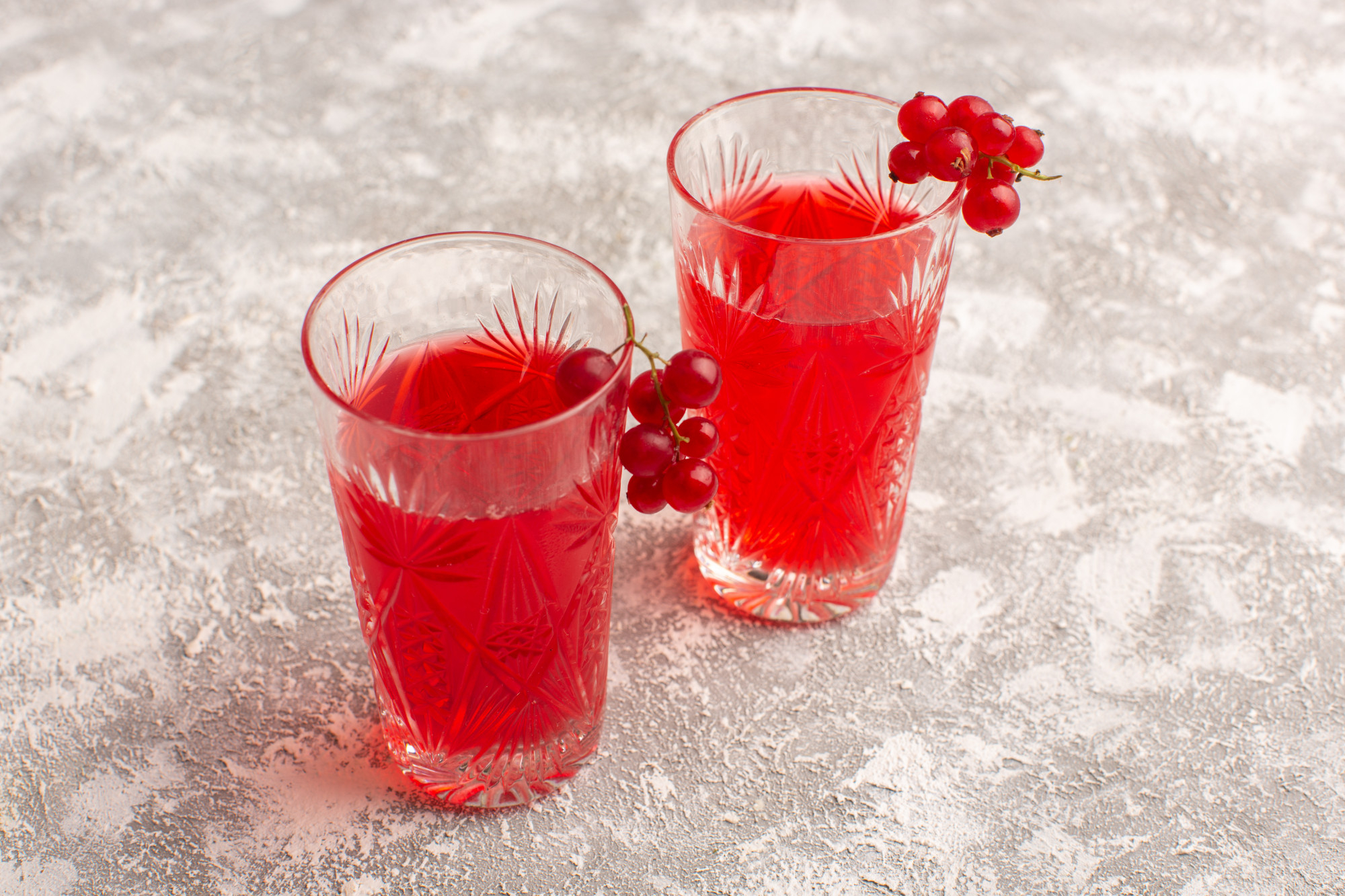
🍸 Cranberry Cocktail (UTI-Friendly “Fun” Drink)

Ingredients:

  • 1 shot gin or vodka (optional—omit for alcohol-free version)
  • 1–2 oz pure unsweetened cranberry juice
  • ½–1 tsp D-Mannose powder
  • 6–8 drops monk fruit extract (or to taste)
  • Water or sparkling water to taste (I usually double the total volume)
  • Slice of lime, for garnish

Directions:

  1. In a glass, combine the cranberry juice, D-Mannose, and monk fruit extract.
  2. Add your spirit (or skip if you’re avoiding alcohol).
  3. Top with water or sparkling water. Stir until the D-Mannose is fully dissolved.
  4. Garnish with a lime slice—and enjoy before or after your sexy fun time.

Why Cranberry and D-Mannose?

  • Cranberry juice contains proanthocyanidins, compounds that help prevent E. coli bacteria from sticking to the bladder wall—making your body’s natural flushing action more effective.
  • D-Mannose is a simple sugar that binds to E. coli in the urinary tract, helping flush them out in urine rather than allowing them to stick around and cause trouble.

Both are well-tolerated and safe for regular use. That said, while most UTIs are caused by E. coli, not all are. I take UTIs seriously because they can lead to kidney infections if untreated. If you’re unsure, it’s always best to get a urinary culture to guide care.

If you include alcohol, use it sparingly—some women with recurrent UTIs or who experience hot flashes find it irritating. The mocktail version is just as effective and a safer option for many.

I’m very passionate about the importance of urinary health in women—and I even helped formulate a powerful cranberry supplement designed to support it. If you’d like to learn more about how cranberry works, here’s a deeper dive I wrote for Bold Botanica: Cranberry PACs for Urinary Health.


I know this blog may feel a bit more lighthearted than my usual posts on herbs, supplements, and whole health—but I wanted to share it because I want my patients to know: I’m completely comfortable talking about sexual health.

As a naturopathic doctor working primarily with women, I’ve seen how relieved my patients are when they realize they can bring up intimate issues—without shame, embarrassment, or judgment.

So please—enjoy your sexy fun times, use simple strategies like post-sex urination and this cranberry cocktail, and know that you always have a safe space here to talk about your whole-body health… no matter how personal it may feel.

Arkansans Deserve Access to Naturopathic Doctors – Now is the Time to Act!

Arkansans deserve access to naturopathic doctors (NDs) who look at health and disease through a whole-person lens and use natural therapies like nutrition, lifestyle medicine, herbal remedies, vitamins, minerals, homeopathy, and so much more!

Arkansans deserve the option of naturopathic medicine delivered by medically trained naturopathic doctors!

SB117, the Naturopathic Physician Practice Act, is our opportunity to change that. This bill would license naturopathic doctors in Arkansas, expanding healthcare options for all Arkansans.

How You Can Help

SB117 has passed out of the Senate Public Health Committee and is heading to a vote by the full Arkansas Senate on Monday, March 31st.

Now is the time to act!

📢 Contact your senator today and ask them to support SB117!
Find your senator here: https://senate.arkansas.gov/senators/senator-search/

📝 What to know more? Here’s a one-page overview of SB117: https://bit.ly/AR-SB117

Why This Matters

Even though Arkansas has many wonderful healthcare professionals, there is still a gap in natural medicine care that only naturopathic doctors can fill. Licensing NDs would:

Expand healthcare access, especially in underserved areas
Provide more natural healthcare choices for Arkansans
Support collaboration between NDs and other medical professionals
Help recruit and retain highly trained natural medicine practitioners in the state

Special Thanks to Senator Flippo

If you live in Mountain Home or surrounding areas, your senator, Scott Flippo, voted to move SB117 forward in committee. If you reach out to him, please thank him for his support, ask for his continued support, and encourage him to speak in favor of SB117 when it reaches the Senate floor.

Help Us Make History!

This is a pivotal moment for natural medicine in Arkansas. Passing SB117 will positively impact healthcare for over 3 million people in this state!

You deserve the option of naturopathic medicine. Let’s make it happen!

📢 Contact your senator TODAY: https://senate.arkansas.gov/senators/senator-search/

What Causes Sensitivity to Food?

When I was younger, I could eat anything. And often did as I explored foods from around the world either through my international cookbooks or my travels. Now I have to watch what I eat. Like many people, I had to mentally adjust to this change. I loved food and felt like every whole food brought its unique contributions to my diet. But while every food (minus all the heavily processed junk food) is healthy for somebody, it isn’t necessary healthy for me.

I see patients go through this same emotional struggle when we identify their problem foods. After we do food sensitivity testing, they might see that they can no longer have dairy or eggs or yeast. And as they cope with having to change their diets, the question often comes up: why am I reacting to this now when I didn’t used to? Sometimes, we review their health history closely and realize that they likely had problems with a particular food since they were young. Maybe back then it was contributing to their ear infection or eczema or other issues during childhood. The body’s reaction is maybe what has changed and now they are having digestive discomfort that wasn’t common before.  In other cases, food sensitivities and reactions can be a later in life development.

So what is causing all of these cases of gluten and dairy intolerance?

There can be different things going on depending on the person. So here are the factors that I most often consider:

  • Genetics
    • Some of us were born with a predisposition to have trouble with a particular food. Often someone else in our family reacts to this same food.
  • Genetics of the food
    • Changes have happened to the genetics of cows and wheat leading to versions of their proteins that didn’t exist before. Many of our bodies don’t know how to deal with these new versions of casein and gluten.
  • Microbiome problems
    • When there is an overgrowth of problematic microorganisms in the gut, it can lead to inflammation and leaky gut. Often these cases, the reactive foods we find on testing are ones that my patient eats nearly every day.
  • Chemicals
    • Sometimes we are reacting to chemicals or toxins in our food supply instead of the food itself. A common example is the glyphosate (Round Up) that is heavily sprayed on our crops, especially wheat shortly before its harvest.
  • Stress
    • I am sure you don’t know anyone dealing with this! Stress dramatically impacts our digestion and level of inflammation in the gut and throughout the body.

A combination of one or more of these things can lead to leaky gut. This allows food particles that are not completely digested to pass through the lining of the digestive tract into the blood stream. Then immune cells respond to those food particles and can declare them the enemy, creating an immune reaction to them and increasing inflammation. This in turn can worsen leaky gut and other digestive symptoms.

There are even more causes and some that we haven’t figured out yet. But especially as we get older, the body may be having more trouble compensating for the impact that a particular food can have. A round of food poisoning or other challenge may have started a cascade of inflammation, leaky gut, food reactions, and more inflammation.

So we need to look at these causes and take a step by step approach to wind back the clock and restore the digestive tract: Test for problem foods, heal leaky gut, and deal with key underlying issues like stress or bacterial imbalance. This path can take some time but rewards us with better health and an understanding of how to stay healthy long term.

Allergies on top of everything else?

If you are within 20 feet of another person, you probably don’t feel comfortable sneezing right now, even if it is from allergies. The good news is there are many natural allergy interventions that also support the immune system.

Differences between Allergy symptoms and COVID-19?

Are you analyzing every sneeze and cough right now?

A sniffle might cause someone to worry that they are showing symptoms of Coronavirus infection, but fortunately there are many difference between that and allergy symptoms.

The most common symptoms for COVID-19 are:

  • Fever
  • Cough
  • Shortness of breath

The most common allergy symptoms are:

  • sneezing
  • runny or stuffy nose
  • watery and itchy eyes
  • itchy sinuses, throat, or ear canals
  • ear congestion
  • postnasal drainage

Immune support for Allergy Season

Did you know that many of our favorite immune products can also reduce allergy season misery?

Stinging Nettle
  • Vitamin C
  • Elderberry
  • Zinc
  • Echinacea

Supplements like these modulate our immune responses to help us react less to allergens. They don’t work particularly quickly so we often need to add faster acting substances to help ease symptoms.

Some top recommendations for allergies:

  • Nettle Leaf- appears to work through anti-inflammatory pathways including reducing histamine release from mast cells.
  • Quercetin- a popular choice during allergy season, probably due to anti-inflammatory and antioxidant properties.
  • N-Acetyl Cysteine (NAC) – helps break up mucus and is used by the body to make one of its most important antioxidants called glutathione.

Plus, Quercetin and NAC are being reviewed for their benefits during viral infections. Mechanistic studies (not actual trials with people) show that it may inhibit infection from various strains of influenza. NAC was shown to reduce the severity of flu symptoms in a study with 262 participates.

Give yourself some piece of mind. Support your immune health for seasonal allergies and general wellness.

Beyond Thieves Oil for Seasonal Wellness

Patient questions made me realize it was time to repost this blog. If you end up getting creative and designing your own blend, let me know what herbs you use!

Yes, you can use herbs and essential oils to help kill bacteria and fight off wintertime infections. Many companies make blends of essential oils known as thieves oil or its numerous other names . These are probably not the original formula the thieves used during the plague as that probably included garlic. I am would much rather smell like eucalyptus, rosemary, cinnamon, lemon, cloves, or any of the other antimicrobial essential oils.

So how did this name thieves oil come about? In Europe during the plague known as the Black Death, a group of thieves made an herbal vinegar concoction to douse themselves in and successfully robbed houses and bodies without coming down with the plague. This vinegar concoction was thought to contain garlic and rosemary and a variety of other herbs that no one seems to agree upon. It possibly had thyme, sage and lavender, but there are so many herbs with antimicrobial properties that could have been used depending on what was available to them for each batch.

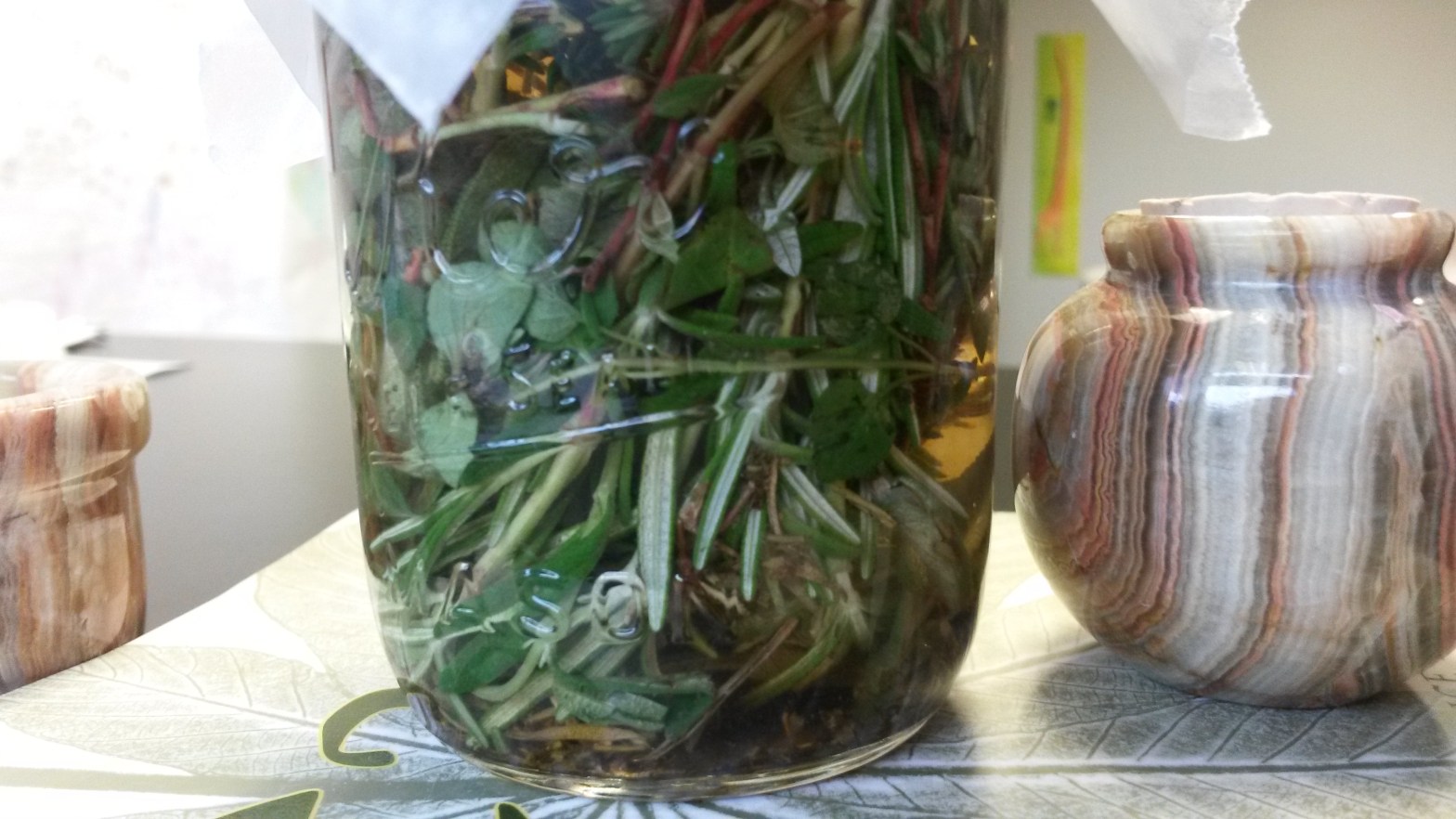
I am making a Four Thieves Vinegar. I will probably also use it for salad dressing.

To protect yourself and your family from wintertime germs, there are a lot of options to choices from. If you like to make stuff at home, there are great recipes out there for Four Thieves Vinegar, which can be used as a surface disinfectant or taken internally as an immune booster. You can also make your own thieves oil blend from common essential oils. And you can support one of our local businesses by checking out Essential Arts Well Being oil. It is in a base of grapeseed oil so it ready to be rubbed into the soles of the feet or used as a chest rub for colds and coughs.
This just scratches the surface of all of the amazing way herbs and essential oils can be used to help us be healthy in the winter. So remember you can stay well and smell great doing it (if you leave the garlic out).

Serious Steps for Coronavirus Prevention

My letter about the Coronavirus was printed on the opinion page of a newspaper in my region. I was concerned, as was the author of the article I cited, that people were making unsubstantiated promises about how natural remedies could cure Coronavirus.

Of course, if those I care for are affected by this new Coronavirus, I am going to extrapolate from my natural medicine experience with other viral illness. But I will be upfront about this approach, and I will also strongly encourage everyone to seek treatment with their primary care doctor so that all tools can be employed.

Here are some of the natural interventions I will consider for prevention:

  • Research has shown that some herbs can help prevent flu including licorice root, American ginseng, elderberry, echinacea, and garlic.
  • Likewise, nutritional supplements can help insure optimal immune system function. These include: zinc, selenium, vitamin C, and probiotics.
  • Test your vitamin D levels. Vitamin D might boost immune health for disease prevention and improve disease outcomes.
Elderberries

And don’t forget these very important basics to help prevent this or any other seasonal illnesses:

  • Have a healthy lifestyle: get enough sleep, minimize stress, eat plenty of veggies and fruits, and avoid sugar and junk foods.
  • Avoid large crowds and places with poor ventilation.
  • If you cannot avoid such places, consider using a properly fitted mask.
  • Prioritize handwashing, more often, with soap and water for twenty seconds, especially before eating.
  • Avoid touching your eyes, nose and mouth with unwashed hands.
  • Use hand sanitizers, when handwashing is not possible.
  • Avoid people who are sick.
  • Cover your cough or sneeze with a tissue and discard or sneeze into your bent elbow.
  • Please stay home if you are sick!

Here is the letter I sent to the newspaper. Even though I might consider silver as part of my protocol, we cannot believe in any supposed miracle cure for Coronavirus or any illness:

I read your article about the silver solution product promoted by Jim Baker, and I want to address my concerns about their product claims as a professional naturopathic doctor with a degree from Bastyr University in Seattle, Wash., and a person who works daily helping craft natural medicines and supplements.

True, silver compounds have been used for many years to reduce or eliminate many pathogens, but most of the studies are done in test tubes. Outcomes in the human body are often very different from those in test tubes. There is zero professional research that shows silver solution products cure coronavirus infections. In fact, it is dangerous to offer people false hope during this critical time with an international epidemic.

In short, it is dangerous and potentially life threatening to suggest that silver solution products can cure the coronavirus infection. It would be dangerous and even deadly for people who may have contracted the illness to rely on untested, undocumented remedies. Such patients could not only endanger their own lives by delaying critical treatment by taking the silver solution instead of seeking professional medical care, but those patients could infect others while believing the silver solution had cured the coronavirus infection.

Naturopathic medicine is my career and I’ve helped many people with serious health problems, and have even taken a form of silver for other illnesses myself. However, no serious naturopathic practitioner who cares about patients or public health would suggest without documented, peer-reviewed research that silver solution products would cure a deadly pathogen like coronavirus.

Such unfounded claims not only endanger the public during an international epidemic, but also create unnecessary doubts about the good work of clinically-trained naturopathic doctors, like myself.

As a naturopathic doctor, I urge everyone who may be exposed to coronavirus to seek help from appropriate health professionals, and not just rely on unproven silver solutions sold by those hoping to capitalize on public fears.

Sincerely,

Laurell Matthews, ND

Autism Spectrum Support

Do you know anyone with Autism or Asperger’s that needs a new perspective? There are natural interventions that can help them be their best.

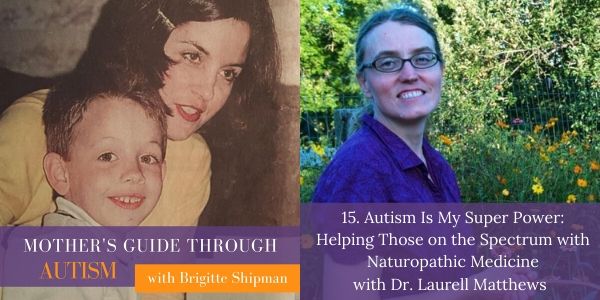
Check out my recent interview on Mother’s Guide Through Autism podcast to learn more. I discuss how genetics, environment, gut health, hidden infections, and many different factors may be contributing to the disorder.  And provide some simple interventions to consider.

https://bmvlifecoach.com/episode-15-autism-is-my-super-power/

Sugar is a Toxin

Do your New Year’s resolutions or health goals include?

  • Losing weight
  • Being healthier
  • Having more energy
  • Detoxification
  • Helping your brain stay sharper
  • Being happier
  • Having clearer skin
  • Getting better sleep
  • Saving money
  • Not getting diabetes like your grandmother

Well, maybe your resolution wasn’t as specific as this last one, but these are just some of the potential health benefits from minimizing your sugar consumption.

Health risks of sugar and carbohydrates

A study in The Lancet showed there was a correlation between a high carbohydrate diet and total mortality risk. This massive study with over 100,000 participants from 18 countries didn’t show the same health risk with consumption of dietary fats. This is just one of many studies that are helping us rethink our dietary recommendations.

How sugar is toxic

  • Insulin resistance, the cause of most diabetes, is partially caused by cells trying to protect themselves from the damage caused by excess sugar.
  • Cell-damaging reactive oxygen species are a natural byproduct of cellular energy production from sugar.
  • Increased sugar consumption leads to more of these reactive oxygen species in your cells.
  • Reactive oxygen species contribute to insulin resistance because cells reduce their insulin receptors to protect themselves against this damage from excess sugar.
  • Then the body starts producing excess insulin to try to force the cells to take up sugar.
  • This excess insulin is the beginning of other health problems like pre-diabetes and obesity.
  • Other toxins such as heavy metals and pesticides amplify this oxidative stress and these problems.

So basically, if we eat too much sugar or carbohydrates, our cells try to protect themselves by ignoring insulin’s message to remove sugar from the bloodstream. But this either leads to elevated insulin levels or high blood sugar. If you cut down on the sugar and carbs, you can help stop this cycle of damage.

Tips for Cutting out Sugar

  • Go cold turkey. We often crave sugar less after avoiding it for a week.
  • Eat fruit. The fiber and antioxidants in fruit protect us from oxidative stress and diabetes.
  • Use natural alternative sweeteners. I use stevia, monk fruit, and occasionally xylitol.
  • Ditch soda. Try flavored sparkling water or tea.
  • Don’t keep high sugar treats in the house.
  • Eat more protein and fat. These can help reduce hunger.
  • Add stress reduction activities, such as mindfulness exercises. Stress can spur sugar craving.
  • When it is time for a sweet treat, have one that includes antioxidants, such as those in dark chocolate or cinnamon.

Sugary temptations are everywhere these days, and it can be easy to give into them. But remind yourself of your health goals. My grandmother had diabetes so I know my risk might be greater. If I find myself tempted in the grocery store, I remind myself that too much sugar is a toxin. Yes, most of us can handle some amount of sugar in the diet. But with all the other toxic stresses in our lives, let’s minimize this one to support our health goals.

 So here’s to a lower-sugar, healthier New Year!