Fight Inflammation

Whether we are exercising or doing work that keeps us physically active, sometimes we pay for it afterwards with muscle and joint pain. One day, I spent so much time sanding down a deck for painting that I woke in the night with my hands throbbing. A middle of the night dose of homeopathic arnica helped ease my pain enough that I could go back to sleep. Even though the arnica helped, I have since figured out to take inflammation-modifying herbs before I go to bed so I don’t get woken up.

Two of my favorite herbs for inflammation are turmeric and devil’s claw. Since I rarely have much pain, I just take them as needed. Other people use them regularly, but since devil’s claw is environmentally threatened, I prefer another approach for long-term pain. Especially for joint pain, consider fish oil and arabinogalactans. Fish oil takes a while to work, so you have to stick with it and take a sufficient dose. Make sure you are getting 1000 mg of the actual omega-3 fatty acids, EPA and DHA. It usually takes 2-4 softgels of fish oil to get this amount. Don’t be fooled just because the bottle says 1000 mg of fish oil per softgel. It is fish oil, but fish oil has other components in addition to the omega-3s. Arabinogalactan is an extract from larch trees and comes in a powdered form. These larch arabinogalactans are very similar to the active components in Echinacea, making arabinogalactans a good choice for their immune boosting properties. Additionally, arabinogalactans help fight inflammation and may reduce joint pain. Proper use of natural supplements like these may help ease the sometimes painful side effects of an active life.

Protect Your Vision

At a recent visit to her eye doctor, my husband’s granny was told that new glasses would correct some of her vision changes, but macular degeneration was to blame for the rest of her weak vision and the glasses couldn’t help with that. Macular degeneration is a form of damage to the most important part of the retina in the back of the eye. It tends to impair the central field of vision, and if it progresses, it is one of the main causes of blindness in this country. At least 3 out of 10 elderly Americans experience some degree macular degeneration. To a great extent this is a preventable condition, but it is more challenging to treat once it has developed. I am hopeful that I will be able to help his granny and wanted to share some of what I told her with all of you.

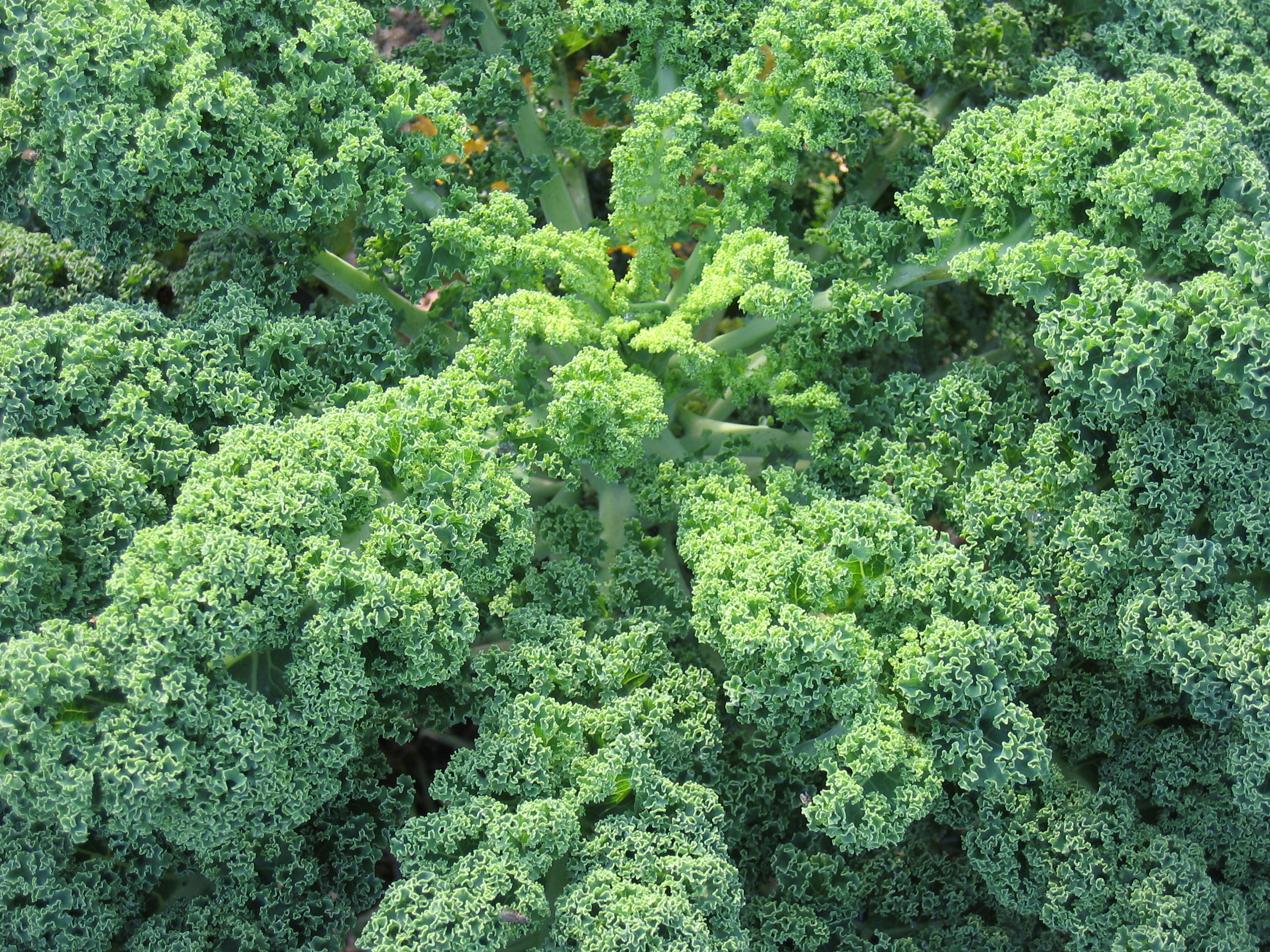
The retina of the eye is made up of pigments that are derived from colorful compounds in vegetables and fruits known as flavonoids. For our long-term eye health, it is important to eat a diet that is high in vegetables, particularly the dark leafy vegetables like kale, collards, and spinach. These are some of the dietary sources of lutein, an important carotenoid for the retina. Supplemental lutein is also available for those who have already developed macular degeneration and need to help make up for previous dietary deficiency. Another important consideration when choosing your vegetables is to make sure they are organic like all of the produce we sell at Ozark Natural Foods. The pigments in the retina are very sensitive to oxidative damage. When we consume pesticide-laden foods, these pesticides have an oxidative effect damaging these important retinal pigments. It is also helpful to consume extra antioxidants from produce and supplements to further protect the retina from damage. Examples of supplemental antioxidants are selenium, mixed carotenoids, vitamin C and E. There are also broccoli supplements available for people who haven’t been eating enough vegetables.

Fighting Sugar Cravings

Recently I attended the local American Diabetes Association Expo and spoke with a lot of people about blood sugar issues. But sugar is not just an issue for people who already have diabetes; it is a troublesome issue for a lot of people. Americans consume over 50 pounds of sugar a year, and this level of sugar can wreak havoc on our health from cavities to weight gain. My grandmother had diabetes, so like many Americans I may have a genetic predisposition that would make me more likely to get diabetes if I did eat sugar at anything close to the average American intake. In addition to the diabetes risk, sugar adds calories to the diet without nutrients, which can contribute to weight gain. Also, there is evidence that sugar may suppress the immune system.

Many people know sugar isn’t a healthy choice but are having trouble cutting it out of their lives. For some, this is just because sugar is addictive. For others, the issue may be that their blood sugar is dropping and they are choosing the quick, unhealthy solution of sugary foods. Instead, it is better to pick foods that will sustain you longer like those high in protein and complex carbohydrate. The mineral chromium can also be helpful for balancing blood sugar for some types of hypoglycemia as well as in prediabetes. Other sugar cravings are related to mood and stress. When stressed out, some people consume sugar to temporarily increase the production of serotonin, a neurotransmitter that contributes to feelings of well-being. Of course, there are healthier ways of supporting serotonin such as eating a high-protein food with all three meals. If none of these approaches is helpful, the health of the digestive tract needs to be considered.

If you need further motivation to drop some of your favorite sweet treats, check out this visual representation of the sugar content of some common junk foods compared to fruit.

And for more nutrition tips, I have posted my most recent PowerPoint presentation on Whole Nutrition for anyone who couldn’t make it to my talk.


Coconut Oil: What is all the hype about?

There has been a lot of buzz about coconut oil recently. For years, coconut oil was shunned as an unhealthy fat because of its high saturated fat content. But now many people are cooking nearly exclusively with coconut and olive oils. Coconut oil does contain saturated fats, but the difference between coconut oil and other oils is the length of its dominant fats. Most oils contain long chain fatty acids, while the ones in coconut oil are known as medium chain, hence the term medium chain triglycerides (MCTs).

The shorter size of the fats in coconut oil does have several implications for our health. Coconut oil can be absorbed easier by the digestive tract, making it beneficial for many people with poor absorption of fats. These medium chain fats are also rapidly burned for energy in the body. This has made MCTs a preferred calorie source for some athletes, and several studies have shown that they can enhance athletic performance. Others are interested in coconut oil for its weight loss claims. These claims may be substantiated by the fact that these oils tend to be burned for energy and are less likely to be stored as fat. Coconut oil may also mildly curb the appetite.

There are other health benefits of coconut oil that are worth mentioning. Coconut oil is rich in particular fatty acid known as lauric acid that can be converted to monolaurin in the body. Monolaurin seems to have antiviral benefits and may help fight other organisms too. Coconut oil also contains some caprylic acid, which has a reputation as a yeast fighter. Finally, there is a lot of anecdotal evidence that coconut oil can be useful for brain function.

I find coconut oil to be pleasant tasting, but if it isn’t the flavor for you, another option is MCT oil. These are neutral tasting products that are liquid at room temperature and can be easy to incorporate into smoothies.

Sleep and Stress

My blog last week was about the connection between sleep deprivation and blood sugar issues. My goal was to encourage people to sleep more to help improve their overall health, but some people know they need more sleep but are struggling with insomnia. There are two different patterns of insomnia. Some people have trouble falling asleep. For others, the issue is staying asleep. Today I am focusing on this second type of insomnia known as sleep fragmentation. As I mentioned in my blog last week, insufficient sleep can lead to elevated levels of the stress hormone cortisol, but sleep fragmentation can in turn be due to increased levels of cortisol. Stress can increase cortisol levels and shift peak cortisol production to later in the day, which may interfere with sleep. Our cortisol level is supposed to decline throughout the day so it doesn’t keep us awake at night. In addition, stress and worry can contribute to the sleep disturbance by keeping people up if they wake in the night.

Cortisol is produced by the adrenal glands in response to stress and low blood sugar. Herbs known as adaptogens can help balance adrenal output of cortisol. Examples of these herbs are ashwagandha, rhodiola, and astragalus just to name a few. Some people benefit from including these herbs to their sleep protocol. These herbs don’t necessarily have an immediate effect. They are taken during the day on a regular basis to help tone the adrenal glands and compensate for the effects of long-term stress. They may even increase energy during the day.

Another related issue that can interfere with a good night’s sleep is blood sugar. If blood sugar drops during the night, the body releases cortisol and adrenaline to help raise it. Then these stimulating hormones can wake us up. For this issue, a healthy, balanced snack before bed may help us sleep through the night.

Using healthy food choices to maintain a steady blood sugar is important because of the relationship between blood sugar and cortisol. Low blood sugar can cause cortisol release. This cortisol can interferes with sleep, which leads to further increases in cortisol. Cortisol has several effects on the body including interfering with sleep and contributing to insulin resistance so it can throw off our blood sugar further. This is yet another reason we all need to continue to focus on healthy foods, good sleep, and stress reduction. I hope you get some of all of these this weekend.

The Connection Between Sleep and Blood Sugar

I am a huge fan of sleep and find it to be key to my feeling of overall vitality. While it is commonly known that inadequate sleep can contribute to fatigue, few people realize it can contribute to heart disease, diabetes, and weight gain. Specifically, reductions in sleep duration or quality can contribute to insulin resistance and elevated blood sugar.

  • More than 30% of middle-aged Americans sleep less than 6 hours a night.
  • Shorter sleep duration is independently associated with abdominal obesity and elevated glucose and triglycerides.
  • People who sleep less than six hours per night are nearly twice as likely to have metabolic syndrome and/or elevated glucose.
  • Shorter sleep or interrupted sleep causes elevated sympathetic nervous system (fight or flight) activity with increased adrenaline.
    • This can decrease the function of insulin receptors.
  • Inadequate sleep can also increase the stress hormone cortisol, which contributes to decreased insulin sensitivity and insulin secretion.
  • Sleep deprivation changes leptin and ghrelin (hunger hormones) so that people are more hungry and hungry for high carbohydrate and high fat foods.

So enjoy your sleep and its contributions to your health.

The Power of Garlic

My husband just harvested the garlic I planted last fall.  We go through a lot of garlic in our house so these approximately 250 bulbs will last the two of us most of the year including what we will plant for next year’s crop. I was surprised to realize I hadn’t yet blogged about garlic since it is one of my most commonly used herbs and not just in the kitchen. My reliance on garlic began when I was first in college. I would get bronchitis after nearly any cold. When I started taking garlic during colds and for short while after them, I no longer had the lingering bronchitis. Garlic can also be used to prevent colds and other upper respiratory infections. A study from England showed that garlic taken daily for 12 weeks reduced the risk of colds by 2/3 compared to placebo.

While I was mostly taking advantage of garlic’s antimicrobial benefits, garlic is also one of the best cardiovascular tonics. Garlic can help improve cholesterol, and as an antioxidant, it helps prevent the oxidation of cholesterol. When cholesterol becomes oxidized, it is more harmful to our arteries. Garlic also can help to slowly reduce the amount of plaque in the arteries according to one 4-year placebo controlled study. Finally, garlic is a mild blood pressure reducer, partially by increasing the dilation of blood vessels.

There are a few choices in how to use garlic. Cooked garlic seems to retain many of the heart protecting qualities, but I add it to my food towards the last 5-10 minutes of cooking as opposed to the beginning like in most recipes. For the antimicrobial properties, raw garlic or supplements need to be used. Raw garlic can be upsetting to the stomach so I always take it on a full stomach. I mix minced garlic with honey and swallow it without chewing. Another option recommended by one of my instructors is microwaving 3 cloves of garlic with their skin on for 30 seconds. There is the issue of breath and body odor, so on days I am going to be around others, I tend to take the odor controlled garlic supplements instead.

Here is a picture of my cat Persimmon enjoying our garlic harvest.

Post Workout Replenishers

Exercise is one of the best ways we can improve our health, longevity, and overall feeling of vitality. Since exercise increases breathing and circulation, more oxygen and nutrients are delivered to the tissue and waste products are removed more quickly. Exercise also relieves stress and enhances well-being. These warm, near summer, days are great ones to renew your commitment to stay fit and be healthier. But no matter the time of year, it is important to replenish the body after exercise.

For most of us, we need to exercise at least 30 minutes daily for five to six days per week. To help meet a weight loss goal, increase this to an hour. After your workout, don’t fall into the trap of thinking you need to drink a high sugar electrolyte beverage. This is a way that many people mindlessly add unneeded sugar and calorie to their diets. Unless we exercise for over an hour, we probably mostly need to rehydrate ourselves. For hydration, choose water or coconut water. I swear I feel more hydrated after drinking coconut water, and it is fairly low sugar and packs a lot of potassium. Potassium is an important electrolyte that many Americans don’t get enough of already. The more we sweat, the more electrolytes we lose, so for more intensive workouts or hotter days, we may need to replace some of our sodium too. Try adding a pinch of salt to coconut water or diluted fruit juice.

For longer workouts where you need a calorie boost, eat bananas or dried fruit. Recent studies have shown these types of foods to be effective for sustaining performance and electrolyte balance in athletes. Since they are whole foods, they offer other benefits like fiber, vitamins, and antioxidants. If you are working out to increase muscle mass, a small amount of protein after exercise may be helpful. Supplements like Vitamin C and glutamine may help speed recovery. Finally, turmeric and magnesium supplements may help reduce post exercise joint and muscle pain.

So get out there, be active, and be smart about it!

Fresh coconuts