Gentle Mullein for Soothing Coughs

When I began learning about herbs years ago before I became a naturopathic doctor, mullein was one of the first herbs I made into a medicinal tea. Since I was plagued by frequent coughs at the time, I had decided to try mullein for its well-touted lung benefits. Mullein was a very useful starter herb for me to try. It made a mild tasting tea and was a very gentle herb for me to experiment with. If I made any mistake in its use at that time, it may have been that I wasn’t drinking the tea frequently enough to help with my acute condition. While gentle herbs can be very safe, we may need to use more of them to get the full benefit.

Though different types of coughs call for different herbal interventions, mullein may be helpful for nearly any type of cough. Mullein may help make coughs more productive since it is a stimulating expectorant. At the same type, it is has some antispasmodic benefits that may help calm a cough. Mullein is also a demulcent herb, which means it can moisten and sooth dry, irritated respiratory pathways. Mullein also seems to have mild antimicrobial benefits, and a test tube study revealed some possible antiviral action. Because of these combined actions, mullein is frequently chosen as part of the treatment for upper respiratory infections like bronchitis. These antimicrobial and soothing benefits have also earned mullein a place in many ear oil formulas. In these formulas, it is typically the flower that is used, whereas either the leaf or the flower can be used for the respiratory tract.

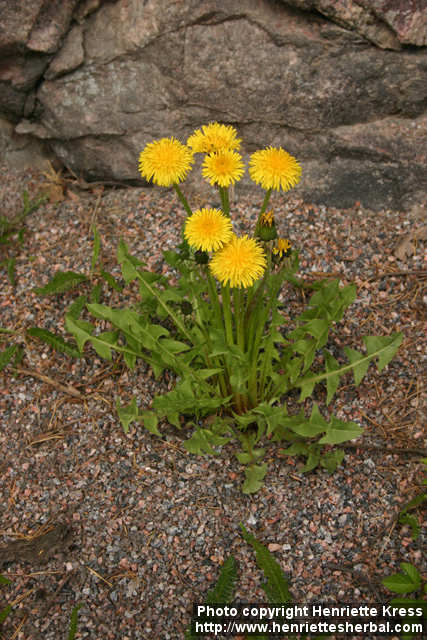
Dandelion: Don’t overlook this friend in your yard

Fall is the time to start harvesting roots. Just like we will soon be digging our sweet potatoes out of the ground, it is also time to harvest the medicinal roots. As plants go dormant for the year, they store nutrients in their roots, making medicinal roots more potent in the fall. As far as the medicinal constituents are concerned, roots are often more potent than leaves, but depending on the plant, roots can have some different medicinal uses than the leaves. Dandelion is an example of this that is likely growing in your own yard. Many people use the leaves and roots interchangeably, but there are qualities that are unique to both forms.

Dandelion has earned a reputation for being a liver and gall bladder supporting herb. The leaves increase the production of bile by the liver. The roots help to move the bile out of the gall bladder, and then along with the bile, toxins that can be eliminated from the body through the feces. Therefore, the use of the roots and leaves together is important for the best liver benefits. Because it supports the liver, dandelion is traditionally used to help high cholesterol, abnormal blood sugar, menstrual and skin disorders, especially when there is a history of toxic exposures or sluggish liver.

Dandelion leaves have a much stronger diuretic action than the roots. Because of dandelion leaves’ diuretic action, they are used for conditions like edema, rheumatic complaints, and sometimes high blood pressure. Because the leaves are high in potassium, they replace any potassium that might be lost with increased urine flow. They also contain many other trace minerals and can be used as a food or tea by people who need to boost their mineral intake.

Dandelion also helps support digestion. The increased production and movement of bile can help improve digestion of fats. In the fall, the roots are high in inulin, a preferred food of the beneficial bacterial in the gut. Dandelion leaves also have a bitter taste, which can stimulate the digestive process. Thus, dandelion is also used for headaches associated with disordered digestion. The leaves are the most bitter in the spring, but I personally prefer to eat them straight out of my yard in the wintertime when they often stand out bright green even if most of the rest of the yard has faded.

Black Walnut: Powerful Herbal Warrior

On our farm on the western edge of the Ozarks, we have several magnificent black walnut trees. This is one of the native Arkansas plants I missed when in lived in Washington State. I came home to visit one fall around this time and actually carried a few of the freshly fallen nuts home with me on the plane. Other people may curse the black walnut trees in their yards because other plants have a particularly hard time growing in their shade. Black walnut trees practice chemical warfare by producing substances that inhibit the growth of many other plants so they can maintain their dominance. This attribute of black walnut gives us insight into the role this tree can play in our health.

Just as the black walnut trees fight off other plants, the black walnut hulls are used to help reduce the growth of pathogenic organisms, especially in the gastrointestinal tract. While black walnut hulls may be best known as part of an “anti-parasitic” formula, it may actually be better as an antifungal agent. It can also be applied topically to the skin. Black walnut hulls can have a fairly strong laxative effect on the gut, and in larger doses, can induce vomiting.

The green outer hull of the nut is the part of the black walnut that is used by most herbalists. The green hulls can either be used fresh or made into a tincture. If you want to work with the hulls yourself, consider using gloves because they can stain your hands. It is also worth going through the effort of cracking the very tough shell to get to the nuts. These have a very distinct flavor, but can be used like any other nut. When it comes to using the hulls, be cautious. This is a very strong herb that should only be used short term or under the supervision of a medical profession.


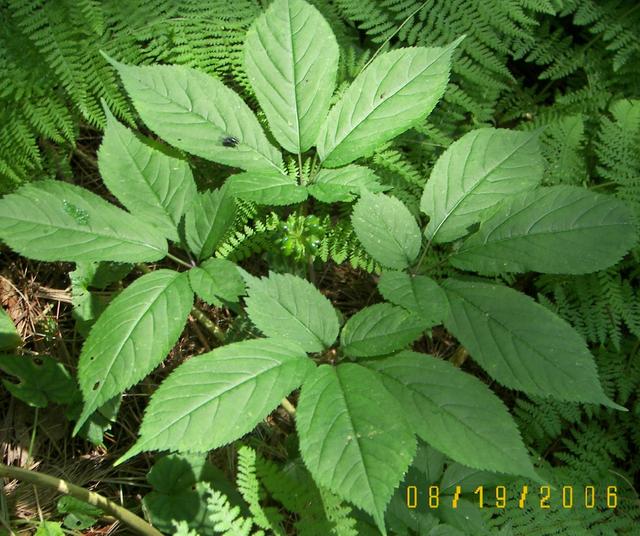
Amazing American Ginseng

September is the beginning of American ginseng season here in Arkansas, or as the old-timers call it ‘sang. We are lucky to have such an amazingly beneficial plant growing nearby, but we need to make sure that we protect it. If you are lucky enough to know a ‘sang hunter or are one yourself, make sure the rules are followed about planting the red berries 1-2 inches deep when the root is harvested. American ginseng grows throughout the Eastern United States, but it tends to grow in small clusters and has a lot of harvesting pressure on it. Since it is monetarily valuable, unscrupulous hunters will over harvest an area. For instance, trespassers stole my friend’s ginseng patch that he had been cultivating for over 20 years. Efforts need to be made to insure that we will continue to have this jewel of a plant in our region, by buying American ginseng from organically grown or ethically wild harvested sources.

American ginseng is so invaluable because it helps relieve stress and soothes the digestion. Its actions on the digestive tract are partially through direct action, but many of ginseng’s effects are due to the stress reduction. When we are stressed out, our ability to digest food is diminished. By calming the impact of stress on the body, American ginseng may help many cases of indigestion. Use of American ginseng has also been shown to reduce the incidence of colds. Again, the immune system is suppressed by stress through excess production of cortisol, the stress hormone. American ginseng can also be useful for diabetes, because, you guessed it, stress contributes to insulin resistance. It is also a good herb for fatigue, especially tiredness due to over work. American ginseng probably also shares the ability of its close cousin Asian ginseng to help prevent cancer. In the regions where the most Asian ginseng is consumed, cancer rates are significantly lower.

Don’t expect these fabulous benefits overnight. American ginseng is used long term since it may take weeks or months for the full effect to be noticed. This is a very safe herb that most people can use, but it is a little bit stimulating and, in some people, could contribute to insomnia. Taken early in the day, most people have no issue with American ginseng, and it may even improve their sleep.


Food Sensitivities and Gut Healing

Food reactions come in different forms and depending on the type of reaction, can contribute to other health issues. Everyone knows about food allergies such as the well-publicized reactions some people have to peanuts. These reactions are similar to seasonal allergies but can be more extreme. There are also food intolerances where the person lacks the necessary enzymes to digest a food. The most common of these is lactose intolerance. Alternately, a person could be sensitive to the protein in milk known as casein. These reactions, called food sensitivities, are caused by antibodies being produced against a food and can lead to delayed reactions occurring hours to days after that food is eaten. The resulting inflammation in the gut can contribute to further reactions to additional foods. For instance, lactose intolerance frequently develops with celiac disease, a specific antibody reaction to wheat that causes the body to attack itself. Often with food sensitivities, there is additional damage to the gut such as inflammation and increased intestinal permeability, better known as leaky gut. In turn, leaky gut has been associated with numerous conditions such as asthma, eczema, and even depression.

After the offending food has been removed from the diet, it is often important to support a healthy intestinal barrier with nourishing supplements like probiotics, glutamine, and N-acetyl glucosamine. Probiotics have numerous gastrointestinal benefits, but in the case of food sensitivities, we use probiotics for their help in reducing inflammation and malabsorption. It has also been shown that children with food allergies tend to have different gut flora than those without the allergies. Glutamine is an amino acid that is the preferred food source of the cells that line the digestive tract. Thus glutamine helps gastrointestinal cells have the necessary energy for repair and healthy replication. N-acetyl glucosamine is a variation of the common joint support supplement glucosamine. N-acetyl glucosamine is a building block to help support the body’s creation of a healthy mucosal layer in the gut to protect the cells from enzymes, acids, and bacterial toxins while allowing the selective absorption of nutrients. Using a combination of supplements such as these can be an important step in restoring a healthy gut, which in turns supports overall wellbeing.

Schizandra: Meet this amazing brain boosting antioxidant herb

Schizandra has long been known as an antioxidant, a bioactive compound that helps protect our cells against damaging molecules such as free radicals and reactive oxygen species. A recent study analyzing 70 herbs for their antioxidant potential showed schizandra to be one of the strongest antioxidant. Traditionally, schizandra has been used to protect the liver and brain from toxic damage. It also improves liver function, particularly the pathways the liver uses to neutralize toxins in the body. Schizandra also appears to activate the enzymes in the liver that make glutathione, one of the body’s most important antioxidants. So not only does schizandra contain antioxidant compounds, but it also causes a cellular response that further increases our antioxidants.

Schizandra has many brain benefits in addition to protecting the brain from damaging free radicals. Schizandra may help reverse the effects of stress and anxiety. It has also been used for depression, irritability and even short-term memory problems. Schizandra was also traditionally employed to help expand awareness of the inner meaning of life. Schizandra is frequently used in herbal combinations for improving stamina, and it can also help some cases of insomnia. These two seemingly different effects are due to the fact that schizandra is an adaptogen, an herb used to modulate adrenal function. These adrenal nourishing herbs can help balance the output of cortisol, the stress hormone that in excess quantities can contribute to insomnia. Adaptogens are also used to help compensate for long-term stress and improve endurance, originally in athletes. These amazing qualities are combined with documented immune stimulating and inflammation fighting properties that make schizandra an incredible herbal ally.

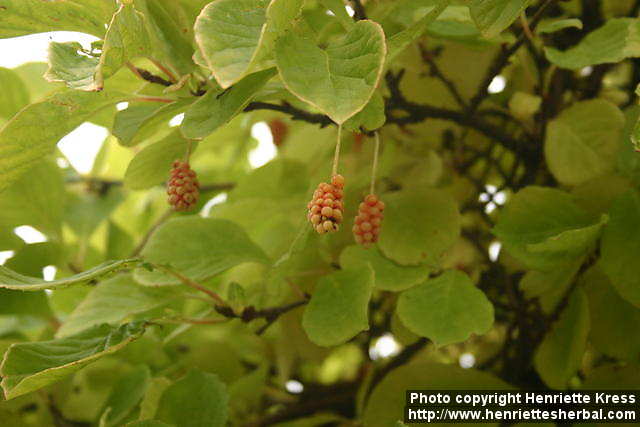
The berries are the medicinal part used from Schizandra.

The Power of Probiotics

We have billions of microorganisms living in our guts and the balance of species of these organisms has a powerful effect on our overall health. Imbalances in gut flora are common due to antibiotics, disease, stress, or diets high in meat and saturated fats. The wrong population of bacteria in our guts can contribute to digestive distress, but they can also contribute to less obvious issues. An imbalance of gut bacteria can deactivate digestive enzymes, stimulate dysfunctional immune responses, activate carcinogens, and contribute to migraines. On the other hand, beneficial bacteria help optimize digestion, stimulate immune function, improve the intestinal barrier, and prevent colonization of the gut by pathogens. In addition, they can break down certain toxins and synthesize some of our vitamins like vitamin K. Beneficial bacteria may also help prevent colon cancer by lowering intestinal pH.

Recent research is suggesting additional benefits to having a healthy population of gut flora. A new analysis of the causes of diverticular disease of the colon shows that there is an inflammatory component to this condition. This inflammation in impacting the neuromuscular functioning of the gut in a way that contributes to the symptoms of this disease. One avenue being considered to help address this problem is the use of probiotic supplements to help reduce inflammation in the gut. Beneficial bacteria work to fight inflammation by enhancing immune function, producing compounds that nourish the cells lining the colon, and improving intestinal barrier function.

We are also increasingly becoming aware of the connection between the gut, brain, and our mood. In an initial study, women given a daily probiotic showed decreased emotional reactivity when presented with negative stimuli. Brain scan done in conjunction with this study revealed decreased activity in areas of the brain associated with fear and other strong emotions. Though this was just a preliminary study, it reminds us of the immense importance digestive health has on our overall wellbeing.

Resveratrol: What is good for the gut is good for the heart

Many of you will have heard about the concept known as the French paradox, specifically how the French consume more fat than Americans but have lower cholesterol levels. While I don’t think there is a simple answer to this paradox, it is widely agreed that a major factor is the consumption of red wine. Red wine contains resveratrol, an antioxidant that is also found in grape skins, raisins, mulberries, nuts, peanuts, and Japanese Knotweed. Japanese Knotweed is actually the richest sources of resveratrol, and most resveratrol supplements are now made from this herb instead of wine grapes. In addition to being an antioxidant, resveratrol is anti-inflammatory and can play a role in reducing cholesterol and other fats in the blood. Both of these attributes have earned resveratrol a reputation for helping protect the heart, especially since inflammation is now known to be a major risk contributor for heart disease.

Besides these effects on cardiovascular health, new research is revealing other health benefits for resveratrol. Consumption of resveratrol has been shown to support the health of the beneficial bacteria that live in the gut. It seems to feed beneficial gut flora like bifidobacterium, an organism often found in probiotic supplements. Resveratrol was also shown to reduce the populations of some harmful bacteria that can inhabit the gut.  In fact, these changes in gut bacteria were correlated with reductions in cholesterol and inflammation, suggesting the changes in gut flora health may contribute to these other benefits. Additionally, resveratrol may help us fight viruses. Resveratrol may be able to send a message to cells to stop replicating viruses that have invaded them. Resveratrol also seems to have other attributes to help prevent cancer that are independent of its antioxidant properties.

I actually used to have massive amounts of Japanese Knotweed growing in my neighborhood in Seattle. Unfortunately since it was invasive there, it was being sprayed by the city and I couldn’t use it as a resveratrol source. If only we had a program to harvest the many useful invasive plants like this for medicine. Maybe we could all be healthier and our environment too.

Japanese Knotweed

Chocolate for Heart Health

Since high blood pressure is such a significant and pervasive health issue in this country, I pay attention to the new research on it. I always stick with the basics of a healthy diet, such as one high in veggies and fruits. Many people with high blood pressure need the minerals like potassium that can be found in veggies, but new research shows us that there are other compounds in the plant world that can be helpful. One example is flavonols, antioxidants found in grapes, apples, red wine, tea and cocoa. I am going to focus on this last one because there has been a surge in research on the heart benefits of cocoa and chocolate.

A recent analysis of many different studies showed that dark chocolate can help lower blood pressure by a few points. This isn’t a huge reduction but could be added to other interventions to reach a healthy goal. More importantly, another multi-study analysis showed that people who ate 2 servings of chocolate per week had a 37% lower risk of cardiovascular disease and 29% lower stroke risk. These benefits are partially attributed to the cocoa flavanols antioxidant and anti-inflammatory effects. These cocoa compounds are also thought to help prevent atherosclerotic plaque formation in the arteries and improve insulin sensitivity to support better blood sugar control. Of particular interest was another recent study showing improved cognitive functioning among elderly adults who consumed higher amounts of cocoa. The study’s authors noted that the effects in cognition were most closely linked to the improvements in insulin sensitivity.

One of the big worries about chocolate is that it often comes in high fat and high sugar forms. Too much chocolate consumption could contribute to weight gain, which can increase blood pressure and other health problems. For chocolate, find a bar that has a low sugar content and high cocoa content. Cocoa nibs are another option since they are unsweetened. Maybe limit chocolate consumption to twice a week like in the heart health study, since that seemed to be sufficient. On the non-chocolate days, consider having other blood pressure reducing foods like green, black, and hibiscus teas.

Food for Mood

An increasing number of studies are showing how our food choices correlate with our mood. They show that it is important to look at our overall pattern of choices as well as a few particular foods. One recent study showed that people who ate a healthy diet were up to 30% less likely to develop depression.  By a healthy diet, they mean one high in fruits, vegetables, whole grains, nuts, fish and unsaturated fats. Another study analyzing a similar diet showed a 30% reduction in the risk of anxiety disorder. This study also included in their healthy diet high-quality meats such as those from free ranging and grass fed animals. Previous studies have also found that diets rich in high-fat dairy, fried foods, and refined and sugary foods are correlated with a significantly increased risk of depression.

Our choice of fats can also have a major impact on our mood. In particular, the unsaturated oils have been shown to decrease the risk of depression over time. These include the polyunsaturated fats from nuts, seeds, and fish and the monounsaturated fats found in olive oil, avocados, and some nuts. Some of the best documented brain-supporting fats are the Omega-3 fatty acids from fish. These healthy oils not only decrease the risk of depression, but also support our memory and cognitive functioning. Deficiencies in Omega-3 oils may also be one of the risk factors for suicide. The worst fats for our brains and mood are the trans-fats, which are associated with increased depression and stroke risk. Trans-fats are the artificially created fats that are more similar to saturated fats and are found in many highly processed foods. As far as saturated fats are concerned, I draw a line between those from conventionally raised animals and free ranging animals. Beef from cattle that are grass fed and finished has a fat profile that is more similar to fish and can be a healthy part of the diet for many people.